
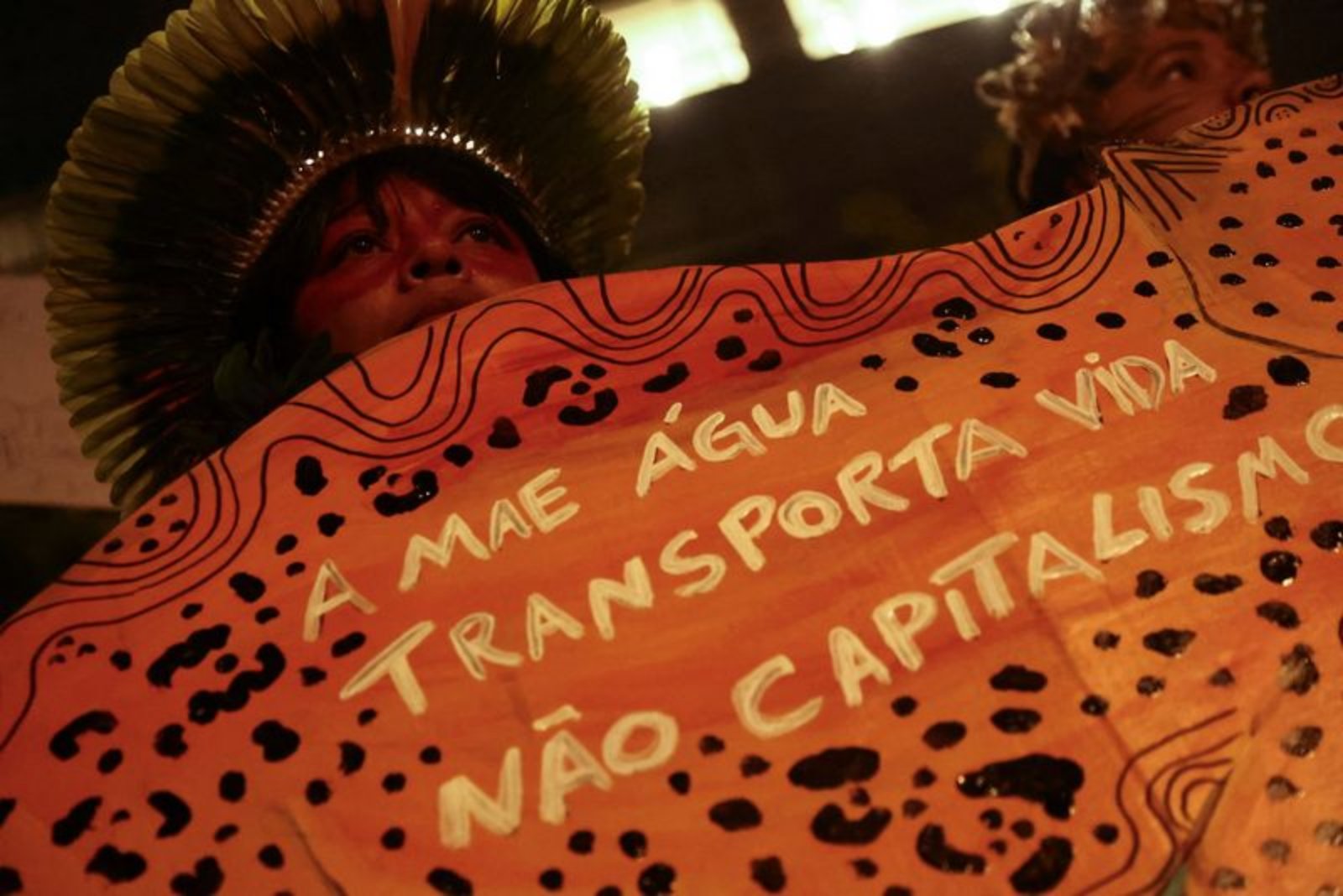
Indigenous protesters have occupied Cargill’s river port terminal in Santarem, in Brazil’s northern Para state, and the U.S. grain trader says the site’s operations have been "completely" interrupted. The company announced that demonstrators compelled staff to leave the private facility on Friday evening and that its personnel were evacuated.
Cargill has said it is engaging with local authorities to seek an eviction that can be carried out in an "orderly and safe manner." The firm also reported what it described as "strong evidence of vandalism and damage to assets" at the terminal following the occupation.
The takeover represents an escalation of a confrontation linked to proposed plans to dredge regional rivers such as the Tapajos. Protesters oppose those dredging plans, saying they would open Amazon rivers to more intensive navigation and that this would harm water quality and the fisheries that many families rely on.
Protest activity had been underway well before the terminal occupation. Since January 22, demonstrators had been blocking trucks from accessing the Santarem terminal. Cargill indicated that these truck blockades had only a limited operational impact because the majority of grains arrive at Santarem by barge and are then loaded onto ships for export.
Port-sector data cited by Cargill show the company shipped more than 5.5 million metric tons of soybeans and corn through Santarem last year. That volume, sourced mainly from Brazil’s Center West region, accounted for more than 70% of the total grain throughput handled at the Santarem port.
In the wake of the occupation, protesters sent a letter asking Brazil’s government to reconsider a decree they say would permit dredging across Amazon rivers. The letter framed rivers not as export channels but as "a source of life, sustenance, memory, and identity for thousands of families," and warned that dredging would affect water quality and the fishing that communities depend upon for survival.
The Brazilian government did not immediately respond to a request for comment. Government statements earlier have characterized dredging as a routine measure to maintain river traffic during periods of low water levels.
This development leaves the Santarem terminal non-operational and highlights a clash between export logistics and community opposition to river infrastructure changes. Cargill and local authorities remain the principal actors addressing the occupation and its reported damage.