
Stock Markets February 17, 2026

India Urges Global Tech Firms to Comply with Constitution After Stricter Content Rules

Information minister emphasizes cultural context as New Delhi enforces a three-hour takedown window and pushes for stronger deepfake rules

By Avery Klein GOOGL
India Urges Global Tech Firms to Comply with Constitution After Stricter Content Rules
GOOGL

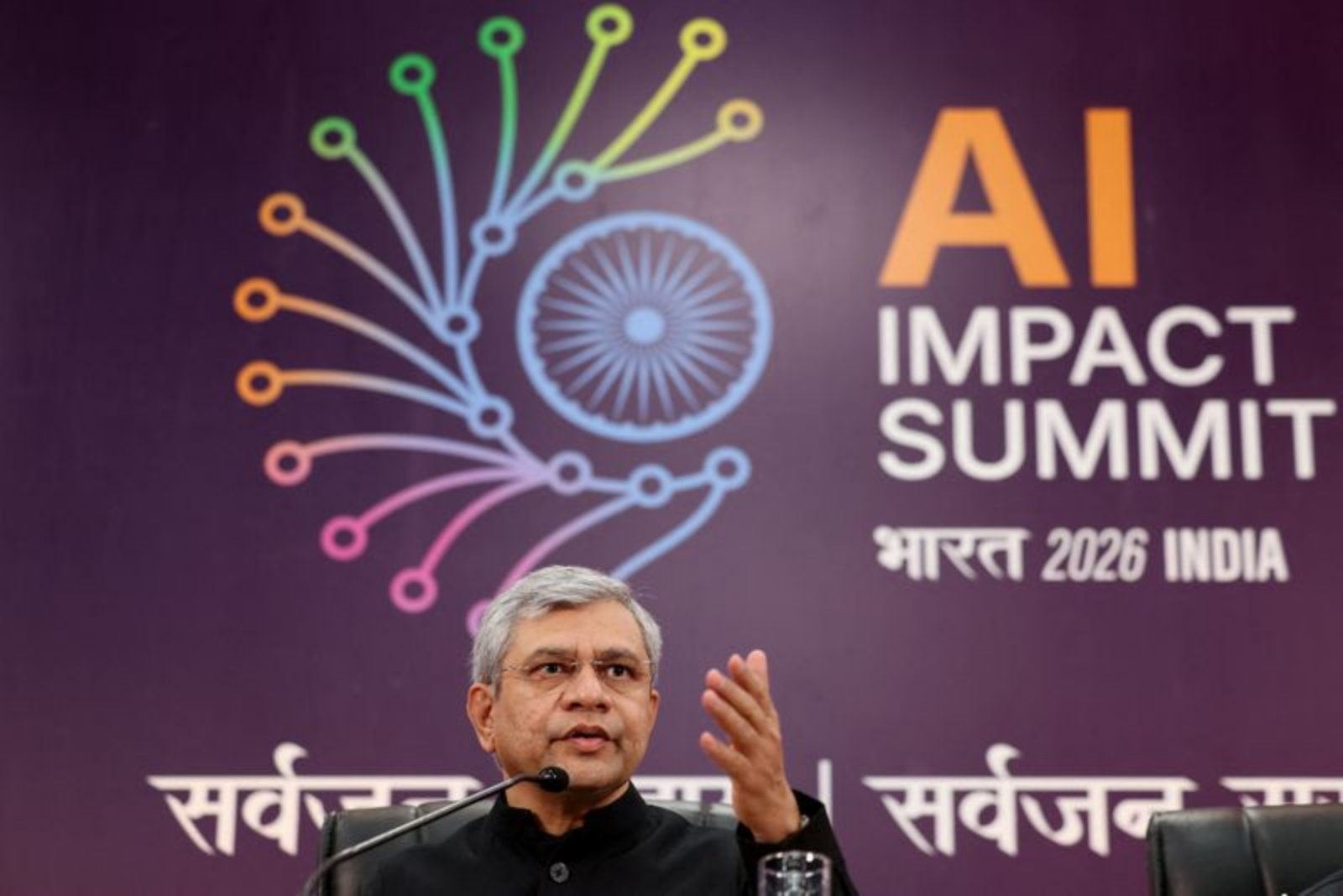
On Feb 17, India’s information minister reiterated that major technology platforms must operate inside the country’s constitutional framework, one week after New Delhi shortened the deadline for removing unlawful online content to three hours. Speaking at the India AI Impact Summit, the minister also called for tougher regulation of deepfakes and said discussions with industry are underway. The moves come amid broader international pressure on social media firms to accelerate takedowns and increase accountability, while Spain has opened a probe into alleged AI-generated child sexual abuse material on several platforms.

Key Points

  • India's information minister emphasized that global tech platforms must operate within the country's constitutional and cultural framework.
  • New Delhi shortened the required removal time for unlawful online content to three hours from 36 hours, posing potential compliance challenges for major platforms.
  • Authorities have signaled a need for stronger regulation of deepfakes, and Spain has ordered prosecutors to investigate alleged AI-generated child sexual abuse material on several social media platforms.

On Feb 17, India’s information minister stressed that multinational technology platforms must function within the bounds of the country’s constitution, reiterating the government’s expectation for foreign digital companies to respect local norms and laws. The remarks followed a recent tightening of content-removal rules that shortens the allowed window for taking down unlawful material.

Speaking at a briefing during the India AI Impact Summit in Delhi, the minister said the cultural context of the host country is important for global multinationals to understand. "It’s very important for the multinationals to understand the cultural context of the country in which they are operating," Ashwini Vaishnaw said at the event, which this week will host senior executives from leading artificial intelligence firms alongside several world leaders.

New Delhi last week moved to accelerate the timeline for social media companies to remove unlawful content, cutting the required response time to three hours from an earlier 36-hour period. The shorter deadline could present a compliance challenge for platforms including YouTube, Meta and X, according to the government’s announcement.

The information minister also highlighted the need for more stringent oversight of deepfakes, noting that a dialogue with industry stakeholders has already begun on that front. He framed stronger regulation of synthetic media as a priority area for policymakers.

India’s actions sit within a larger global trend towards demanding faster content moderation and greater platform accountability. Governments in regions from Brussels to Brasilia have pushed for accelerated takedowns and tougher enforcement against illegal or harmful material.

In a related development on Tuesday, Spain directed prosecutors to investigate social media companies X, Meta and TikTok over allegations they have been linked to the spread of AI-generated child sexual abuse material. The move reflects intensifying scrutiny from European regulators into how large technology platforms handle harmful and illegal content.

The combination of India’s quicker removal mandate, a focus on deepfakes, and high-profile probes abroad underscores a regulatory environment that is tightening around major digital platforms. How companies adjust to accelerated takedown timelines and evolving rules for synthetic content will be closely watched by industry and policymakers alike.

Risks

  • Compliance risk for large platform operators facing a reduced three-hour takedown window - impacts technology and social media companies.
  • Regulatory uncertainty around deepfakes and synthetic content could require significant policy and technical responses from AI and content-moderation sectors.
  • Increased scrutiny and legal action in multiple jurisdictions, such as Spain's probe, raise reputational and enforcement risks for global platforms and digital advertising markets.

More from Stock Markets

Market Turbulence Reinforces Case for Broader Diversification Feb 21, 2026 NYSE Holdings UK Ltd launches unified trading platform to streamline market access Feb 21, 2026 Earnings Drive Weekly Winners and Losers as Buyout Headlines Lift Masimo Feb 21, 2026 Barclays Sees 'Physical AI' Scaling to Hundreds of Billions by 2035 Feb 21, 2026 Germany's Wind Expansion Accelerates Amid Growing Questions Over Durability Feb 21, 2026