
Importers of all sizes are converging on a relatively obscure federal tribunal in Manhattan as they pursue refunds for duties levied last year and later ruled illegal by the U.S. Supreme Court on February 20. Around 2,000 lawsuits have been lodged at the U.S. Court of International Trade, according to court records, with plaintiffs ranging from global logistics and consumer-goods companies to hundreds of smaller businesses.
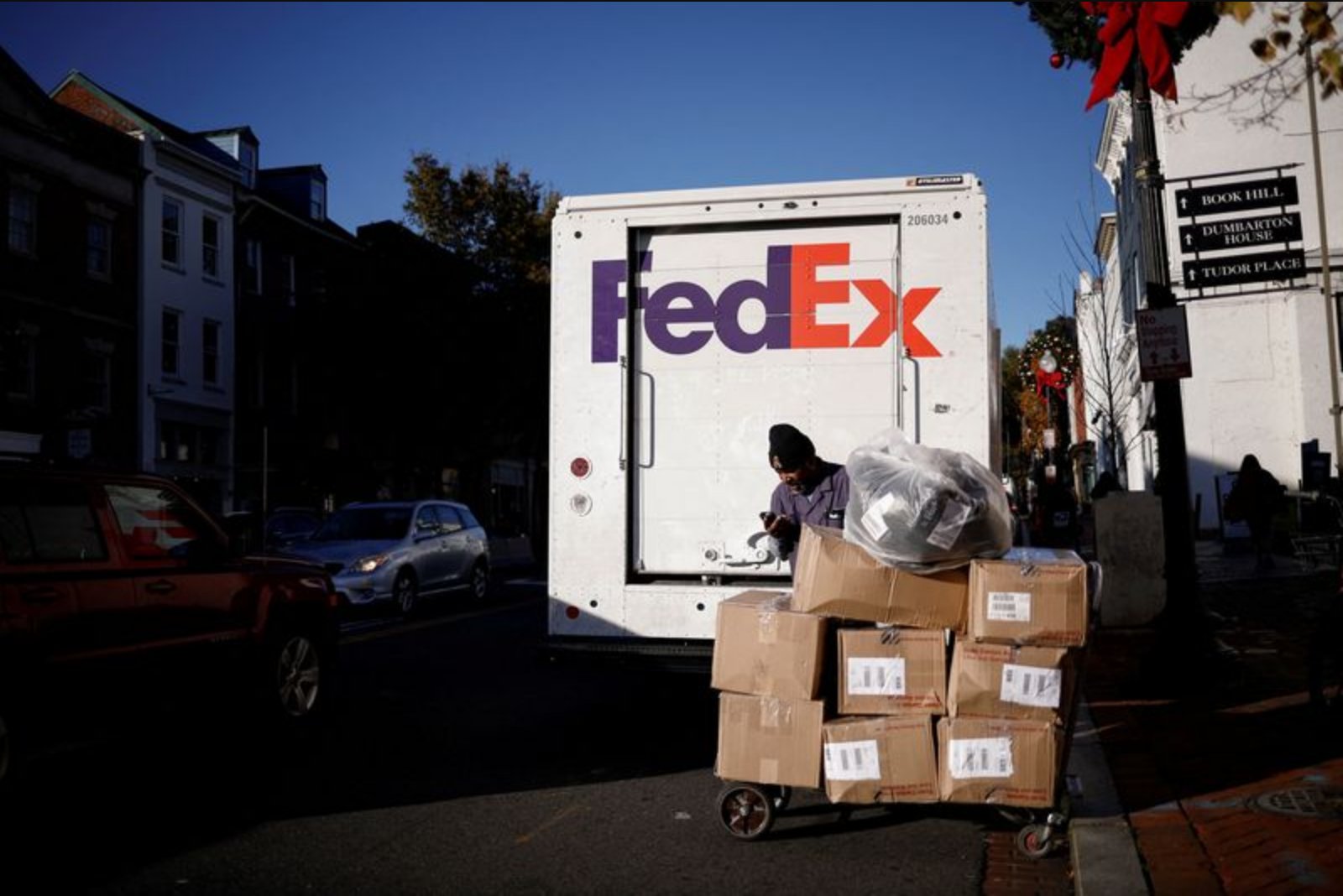
The filings include actions by large firms such as FedEx and L'Oreal as well as a multitude of smaller importers. The wave of litigation is a dramatic step up from 2024, when the court recorded just 252 new case filings. Court officials now must determine how to manage what many expect will be a prolonged and complex series of proceedings that could touch nearly every sector that imports goods into the United States.
The Supreme Court's decision voided the tariffs but left unresolved how refunds should be handled, explicitly leaving that question to customs officials and the trade court. The U.S. Court of International Trade, which ordinarily focuses on disputes such as anti-dumping duties and classification disagreements involving items from window shades to pig fat, now faces an unusually broad remit: whether to fashion a system for reimbursements and how to apply it across potentially hundreds of thousands of claimants.
Several cases now returned to the trade court after advancing to the Supreme Court include those brought by toy maker Learning Resources and spirits importer VOS Selections. In a February 24 court filing, lawyers representing five plaintiffs asked the court to designate their lawsuits as test cases to define how refunds will be calculated and distributed. They proposed that once those questions are resolved, other pending suits could be stayed, allowing a common set of rules to guide the remainder of the litigation.
That approach would mirror litigation-handling techniques the trade court has used in the past, the filing noted. In a separate episode following a 1998 Supreme Court decision that nullified a tax collected from exporters, the trade court paused thousands of suits and appointed a plaintiffs' steering committee composed of trade lawyers. That committee oversaw a single case that was litigated as a test to resolve issues such as interest on refunds and timetables for filing lawsuits. Orders entered in that test case were then applied across the broader docket.
Less than six months after the Supreme Court struck down the exporter tax, the trade court approved a refund process that required each claimant to file an individual lawsuit and thereafter submit a claim form to U.S. Customs and Border Protection. If importers and Customs disagreed or if legal questions remained, the parties could ask the court to review the individual claims. Within roughly two and a half years of the Supreme Court ruling in that earlier matter, about $730 million had been returned to as many as 100,000 claimants, according to a paper posted on the trade court's website.
The legal team for VOS Selections and four other plaintiffs urged the court to adopt a similar framework now, allowing their cases to proceed so that the resulting orders could be extended across the thousands of disputes. The plaintiffs' lawyers emphasized the trade court's prior experience managing mass refund litigation, albeit for far fewer potential claimants and far smaller sums.
Not all potential claimants are prepared to pursue that route. Smaller importers, who account for the bulk of companies that paid the now-invalid tariffs, have expressed hesitation about embarking on individual lawsuits that can cost thousands of dollars in legal fees. Many of those firms are instead hoping that Customs and Border Protection will create a simple, low-cost administrative mechanism for refunds - for example, a dedicated web portal where importers could submit basic information to trigger reimbursement.
Trade attorneys noted that CBP could alternatively require claimants to follow the agency's established administrative protest process. Complicating matters further, the treatment of refunds may vary depending on when the tariffs were paid; refunds for duties paid early in 2025 could be handled differently from those paid more recently. John Peterson, a trade lawyer who has filed cases in the current wave of tariff-refund litigation, described this timing issue as "the mega-question." CBP did not respond to a request for comment.
The scale of the problem is substantial. A government court filing states that as of December 10, the now-void tariffs had been collected on about 34 million shipments. The sheer volume of transactions and the large pool of potential claimants underscore why the trade court must confront both procedural choices and practical considerations about administering refunds efficiently and fairly.
Not all practitioners expect a single clean path forward. Daniel Pickard, a trade attorney who has not launched tariff-refund suits, said there remain many unresolved issues and predicted further litigation, noting: "There’s still a lot of questions that are going to need to be answered, and whenever you have $133 billion at stake, there’s going to be disputes."
What happens next
The trade court must decide whether to permit a small group of lawsuits to proceed as test cases that set rules for the rest of the claims, or whether to leave the initial handling to Customs and Border Protection through administrative processes. Either path will have practical consequences for importers, their legal costs, and the pace at which refunds reach claimants.
For hundreds of thousands of importers who paid the now-invalid tariffs, the choice could determine whether they receive timely reimbursement via a streamlined CBP process or must incur the expense and time of litigation. The court's choice will also shape how questions such as interest on refunds, filing deadlines, and the treatment of payments made at different times are resolved across the broad set of claims.
Reporting based on court filings and statements from trade lawyers.