
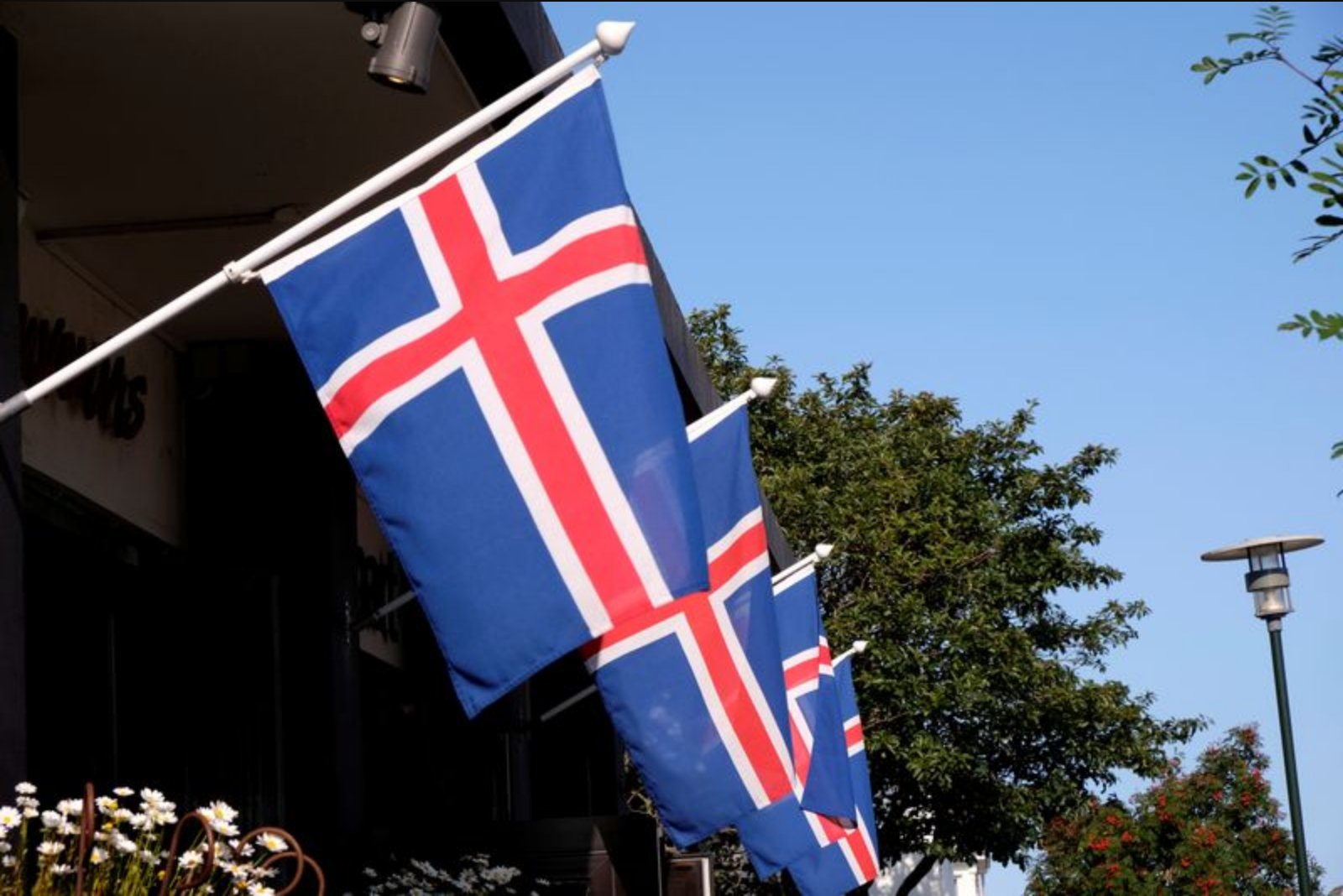
On March 6 the Icelandic government confirmed it will hold a national referendum on August 29 to decide whether negotiations to join the European Union should be resumed. The vote will determine only whether accession talks are reopened; should voters endorse resumption, any eventual membership agreement would require approval in a second, separate referendum.
Iceland previously abandoned formal EU accession negotiations in 2013 after four years of talks. Public interest in restarting the process has increased in recent years, according to polls, amid a combination of domestic economic concerns and shifting geopolitical circumstances. The government had earlier pledged to stage a referendum by the end of 2027 at the latest.
Officials have pointed to several developments that revived debate over EU membership. A sustained rise in the cost of living has been cited as a domestic factor increasing support for renewed talks, and international events such as the war in Ukraine have also influenced public sentiment, polls show. Repeated threats by U.S. President Donald Trump to annex Greenland - a territory positioned between Iceland and the United States - have been noted by Icelandic authorities as heightening the urgency of the membership question for the nation of almost 400,000 people.
Iceland first applied to join the EU in 2009 following the collapse of its banking system during the 2008 global financial crisis, a shock that pushed its economy close to bankruptcy. That application and the earlier round of negotiations reflect a period in which policymakers considered EU membership as a path to economic stabilization.
If the August vote backs the resumption of talks, the government has made clear that negotiators would return to the table with the understanding that any final accession terms must be put to Icelandic voters for ratification. Conversely, the government stated that a 'No' vote in the August referendum would close the door on future efforts to restart accession negotiations.
Recent polling conducted by Gallup and reported by the public broadcaster RUV indicates that 57% of respondents favour reopening talks with the EU, while roughly 30% oppose such a move. The margin reflected in that poll underpins the contest that Icelandic voters will face in August.
EU officials underscored the significance of the moment. EU Enlargement Commissioner Marta Kos said the Icelandic people must now make 'a significant decision' and added: 'The geopolitical context is fundamentally different today than when Iceland first applied for membership.' Kos further stated: 'In a world of competing spheres of influence, EU membership offers an anchor into a bloc grounded in values, prosperity and security.'
At present Iceland participates in several European frameworks - it is part of the European single market, the Schengen open-border travel zone, and the European Free Trade Association alongside Norway and Liechtenstein. Full EU membership would extend those arrangements by giving Iceland direct representation in institutions such as the European Commission, the Council of Ministers and the European Parliament, as well as by bringing the country into the customs union and offering the option to adopt the euro.
Context note: The August referendum will decide only whether to resume accession talks; final membership terms would be subject to a subsequent public vote.