
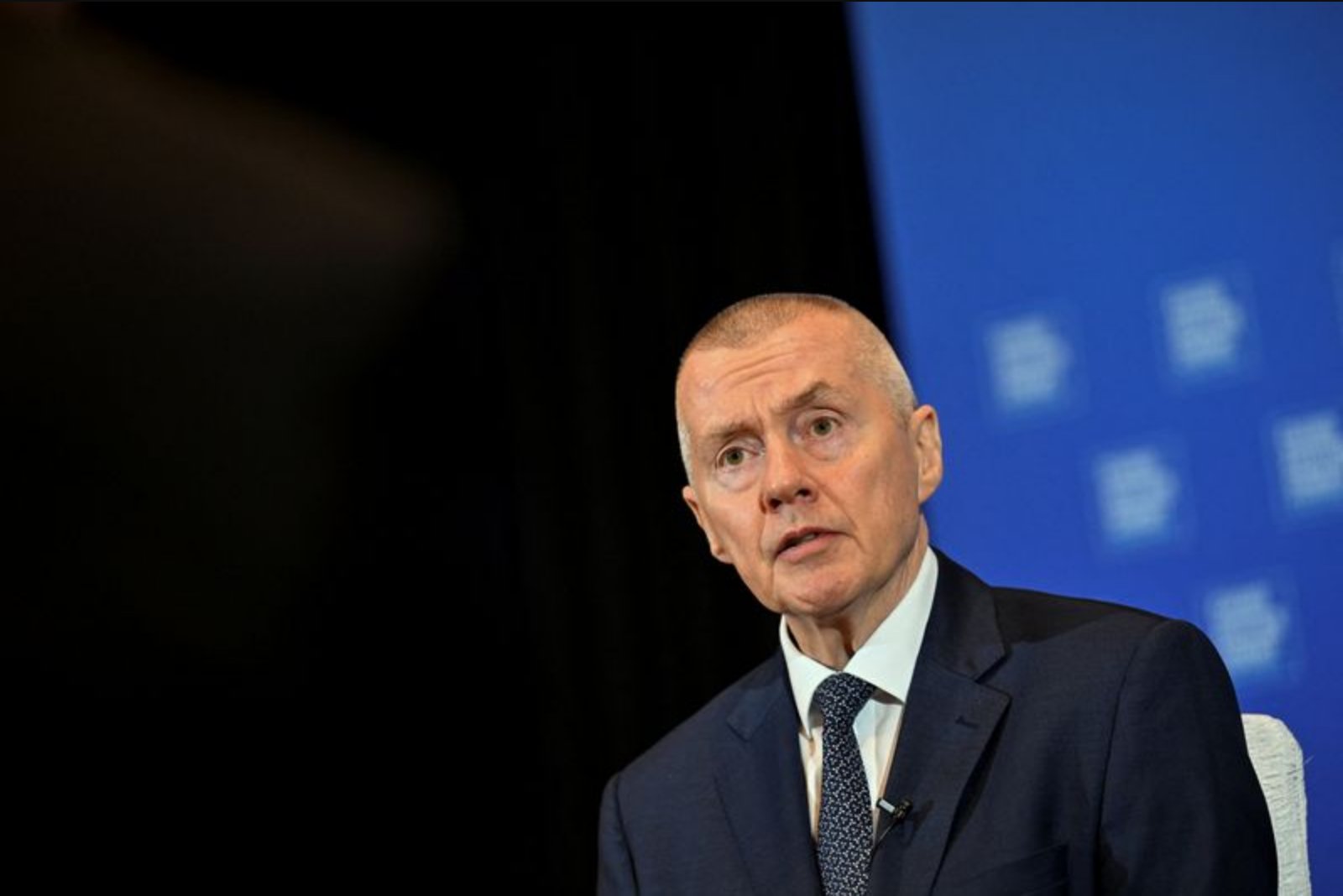
In Brussels on March 19, Willie Walsh, chief of the International Air Transport Association (IATA), cautioned that the expanding conflict in the Middle East would push up the cost of air travel and leave no party benefiting from the escalation. Speaking on the sidelines of an airline industry event, Walsh flagged the immediate effects on airlines' operating environment.
Recent attacks on oil facilities in the Gulf have driven crude prices above $100 a barrel, a development that has unsettled aviation markets. At the same time, the presence of missile and drone threats has disrupted air traffic flows to Middle Eastern hubs that are normally among the region's busiest. These combined pressures are creating both demand- and supply-side stresses for carriers, Walsh said.
According to Walsh, the global appetite for air travel remains robust for now. However, airlines are beginning to reallocate capacity away from affected routes and some are considering deeper cuts should the conflict persist. He emphasized the contingency that continued hostilities could lead to shortages of jet fuel supply - a scenario that would force carriers to reduce capacity further if it materializes.
The current situation links moves in energy markets to operational decisions at airlines. Crude trading north of the $100-a-barrel mark is cited as a catalyst for higher fuel costs, and interruptions to traffic at key Middle Eastern transport hubs are altering flight planning. Walsh's remarks underline the exposure of carriers to both higher input prices and to route-specific security risks.
For now, the signal from IATA's leader is one of growing caution: robust demand is not yet translating into stability, and airlines are preparing to respond if supply-side constraints on fuel or continued threats to airspace escalate. The net effect, as Walsh put it, is that there are "no winners" from the unfolding crisis.
Clear summary
The head of IATA warned that the widening Middle East conflict is lifting crude prices above $100 a barrel and disrupting traffic at key hubs, prompting airlines to shift capacity and potentially cut flights if jet fuel supplies are affected. He said there would be "no winners" from the situation.