
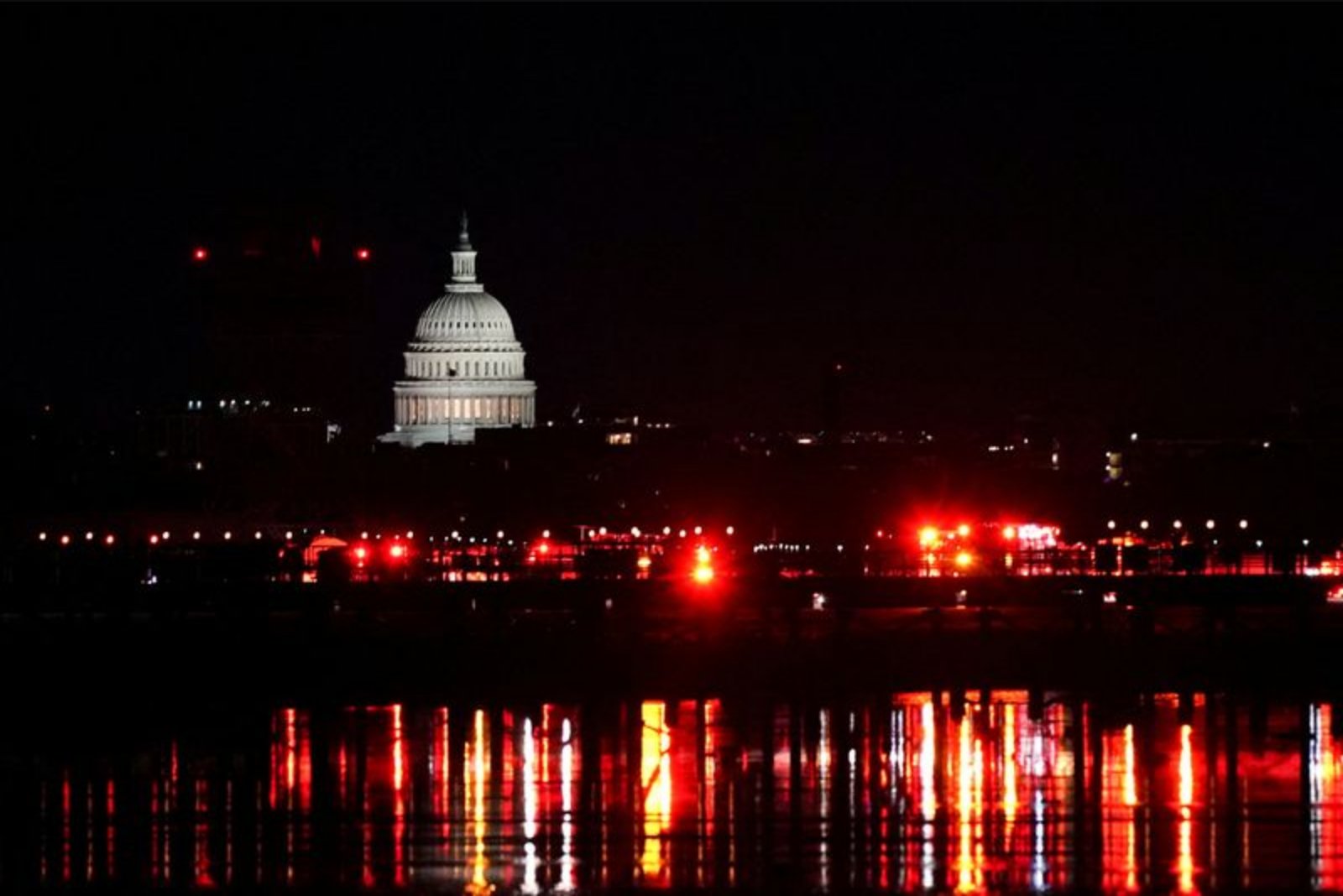
The House of Representatives is scheduled to debate aviation safety legislation next week, driven by a set of recommendations issued by the National Transportation Safety Board following its investigation into a January 2025 midair collision that resulted in 67 fatalities. The collision involved an American Airlines regional jet and an Army Black Hawk helicopter, and the NTSB response included dozens of recommendations intended to reduce the risk of similar accidents in the future.
In December, the U.S. Senate passed a bill unanimously that would require aircraft operators to install automatic dependent surveillance-broadcast system equipment, commonly known as ADS-B, across their fleets by the end of 2031. That Senate measure also seeks to strengthen supervision of commercial jet and helicopter traffic and to tighten oversight of flight routes in the vicinity of commercial airports.
Separately, leaders from the House Transportation and Armed Services committees are collaborating to craft a comprehensive House bill that would address the spectrum of issues identified during the NTSB probe, according to a spokesperson for the transportation committee. The spokesperson indicated the House effort will be broader in scope, aimed at tackling the range of safety questions raised by the accident.
The upcoming House consideration follows the NTSB's formal recommendations and the Senate's unanimous action in December. While the Senate measure establishes a deadline for ADS-B equipage by the end of 2031 and calls for enhanced oversight of aircraft operations near airports, the precise contents and timing of the House bill remain subject to the committee process and subsequent floor action.
This sequence of events places aviation safety policy at the center of congressional activity in the near term, with legislative proposals focused on equipment requirements and procedural oversight for commercial and military helicopter operations that intersect with commercial air traffic. The House debate next week will determine whether the House advances legislation that mirrors the Senate approach, expands on it, or pursues a different combination of responses to the NTSB recommendations.
Context limitations: Details on the final language of the House bill, specific timelines for committee consideration beyond next week, and the ultimate legislative outcome are not provided in the available information.