
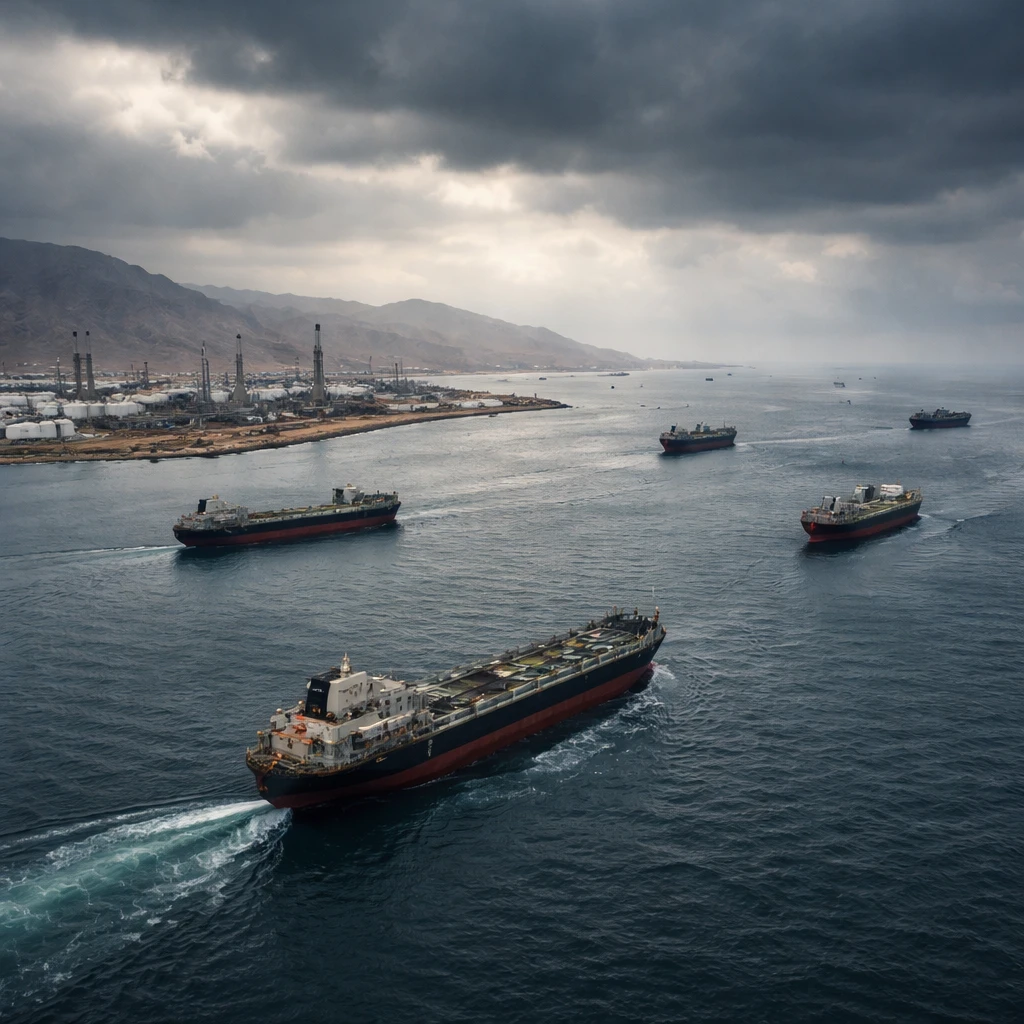
The Strait of Hormuz stayed closed for a fourth straight day, according to shipping reports that say five oil tankers were hit while navigating the vital maritime corridor. The incidents in the waterway have coincided with immediate operational responses from regional energy producers and refiners.
Qatar has suspended gas production operations, and a refinery in Saudi Arabia has also ceased operations in reaction to the disruption in the strait. Those stoppages, reported amid continued closure of the passage, reflect direct impacts on the flow of hydrocarbon shipments that traverse this strategic chokepoint.
At retail fuel outlets in the United States, the disruption has been reflected in pump prices, with average gasoline retail prices rising above $3 per gallon. The rise in the cost of gasoline has prompted a coordinated response at the federal level: Treasury Secretary Scott Bessent and Energy Secretary Chris Wright are scheduled to announce steps the U.S. government will take to respond to the spike in oil prices linked to the strait closure.
The Strait of Hormuz is a key conduit for global oil trade, and the extended interruption is affecting energy supplies and prices around the world. The situation remains fluid as authorities and companies assess damage, production interruptions, and the downstream effects on fuel availability and cost.
Key points
- Shipping reports indicate five oil tankers were hit while the Strait of Hormuz was closed for a fourth consecutive day.
- Qatar has shut down gas production operations and a Saudi Arabian refinery has halted operations in response to the situation.
- The disruption has contributed to U.S. gasoline prices exceeding $3 per gallon and prompted planned announcements from U.S. Treasury and Energy officials on government measures to address the oil price spike.
Risks and uncertainties
- Duration of the strait closure - continued disruption would sustain pressure on global energy supplies and prices.
- Operational impacts at regional producers and refiners - the shutdowns cited may affect downstream fuel availability until operations resume.
- Policy response - planned U.S. government announcements aim to address the price spike, but the timing and scope of those measures are pending.