
As conflict between the U.S., Israel and Iran enters its third week, travellers and airlines are confronting a sudden, wide-reaching shock to global aviation that has left planned vacations in tatters and pushed carriers to rework entire network plans.
In Dardanup, a small town in Western Australia, accountant Natasha Earle and her family have had a five-week, once-in-a-lifetime tour of Europe upended. The trip, booked last May on Emirates and scheduled to visit London, Paris, Berlin, Vienna and Rome, now carries roughly an additional A$10,000 - or about $7,000 - in costs as the family chooses alternate routings to avoid regions affected by drone and missile activity. Earle said the family has invested "tens of thousands of dollars" in the holiday and expects at least a partial refund from Emirates.
The Earle family’s experience highlights how a security crisis in one maritime and aviation crossroads - the Gulf - can quickly cascade through schedules and fares worldwide. Much of the Middle East’s airspace has been closed because of missile and drone threats, prompting tens of thousands of cancellations, reroutings and schedule changes and disrupting travel for millions.
Drone and missile incidents have left aircraft forced to circle in holding patterns near hubs such as Dubai, undermining normal operations in a region whose tourism sector is valued at about $367 billion annually. Combined, Emirates, Qatar Airways and Etihad Airways ordinarily carry more than half of passengers flying between Europe and destinations such as Australia, New Zealand and the Pacific Islands, according to Cirium data. With those carriers constrained, alternate long-haul corridors have thinned and ticket prices have risen.
Individual travel stories illustrate the human cost of the disruption. New Zealander Jacob Brown, 34, based in Doha, drove across desert to Riyadh and then flew to London after Qatar Airways cancelled his Doha-New Zealand service - a flight he had booked to serve as best man at a wedding. What should have been a sub-24-hour journey stretched into several days due to closed airspace, additional flight chaos, delays and lost baggage. Brown described an anxious departure from Riyadh, noting there had been missile interceptions south of the Saudi capital that morning.
In Australia, several travellers said they face hard choices about whether to proceed, reschedule or cancel trips. Aditya Kushwaha, who lives in Orange near Sydney and works in disability support, has a family holiday to London and Paris booked for April 13 to 29 on Emirates via Dubai but is uncertain if it will go ahead. He said he might forfeit more than A$10,000 if he cancels and would be unlikely to afford a comparable trip for years.
For other holidaymakers, the disruption has already led to out-of-pocket expenses. Kellee Smith, who planned a European trip for late March with her husband and two children after a year of planning, described sleepless nights and mounting stress. Smith said she had spent roughly A$5,500 and was awaiting a refund from Emirates of more than A$4,000 after booking contingency flights on Cathay Pacific and Qantas that route through Asia instead of the Middle East.
With the conventional Europe-Asia-Asia Pacific path through the Middle East narrowed, airlines have had to reroute long-haul services on longer tracks, creating operational complexity and capacity shortages that translate into higher fares and reduced seat availability. Several carriers have begun to alter seasonal schedules; some have added fuel surcharges amid concerns about rising jet fuel costs and supply.
Air New Zealand is one carrier that has cut flights as the ripple effects of the conflict play out, and the International Energy Agency warned that the crisis is causing the largest oil supply disruption in history. Analysts cited in recent comments have even suggested it could be a matter of weeks before airlines face jet fuel shortages. Vietnam said it could face aviation fuel shortages as soon as April due to the conflict.
Many travellers are electing to avoid flying through the Middle East entirely. In Bath, Britain, John Moore, 81, and his wife Pauline paid extra to switch from Qatar Airways to Qantas, planning to transit via Singapore rather than the Gulf. "We decided we'd rather pay the extra to book via Singapore, which is no guarantee, but clearly it’s likely to be safer than the current route," Moore said.
Others have reconfigured itineraries to altogether avoid routes that touch the troubled region. Sumit Sharma of Sydney, who had intended to fly Etihad to Dubai with his family, received confirmation that he was eligible for a refund and rebooked via Hong Kong on Cathay Pacific so his son could still experience Disneyland. Shobana Gopal, a senior consultant in Sydney, switched plans to visit three cities in China rather than flying through Dubai en route to Austria.
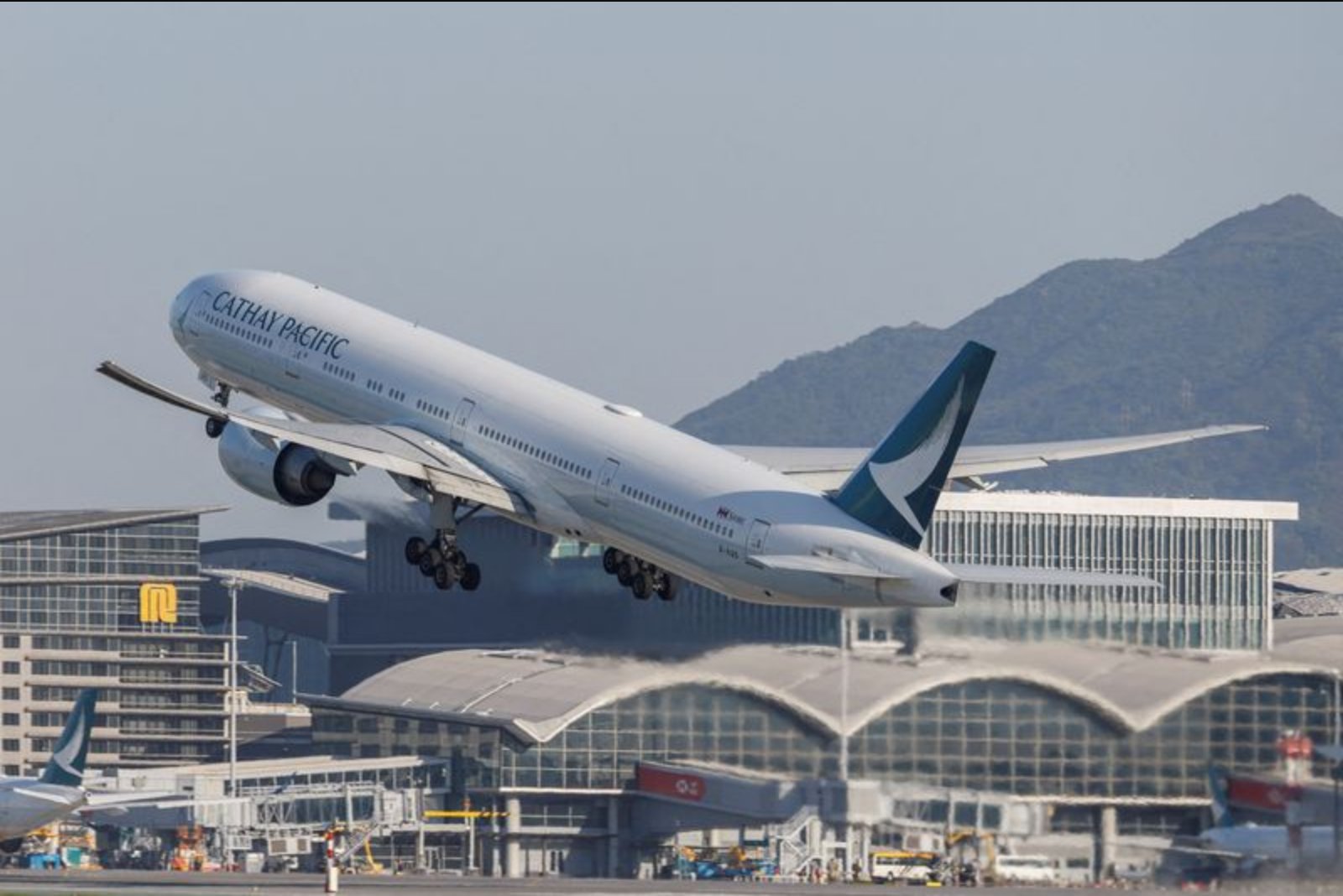
Airlines are seeing pronounced shifts in demand patterns. Qantas reported passengers increasingly choosing routes to Europe that transit the United States, other Asian hubs or Johannesburg, leveraging partner networks to bypass the Middle East. Cathay Pacific described "drastic changes in terms of demand patterns due to the Middle East situation," while Ryanair pointed to a surge in bookings to European destinations from travellers intent on avoiding Gulf connections.
Lufthansa has also noted heightened demand on European routes. The German carrier said 12-month forward bookings for direct flights to Asia are up 75% year-on-year. Aviation specialist Hans Joergen Elnaes said that large Middle Eastern airlines such as Emirates and Etihad are unable to operate through the routes they would normally use, forcing European and Asian carriers to absorb displaced traffic.
The immediate consequences are clear: holidaymakers face either added costs to reroute, potential losses from cancelled or refundable fares, longer journey times, or the risk of proceeding with uncertain connections. For airlines, the crisis strains capacity, complicates scheduling and raises fuel-related cost pressures. For economies tied to tourism and aviation fuel supply, the disruption threatens revenue and operational continuity.
As the airspace closures and missile and drone activity continue, travellers, carriers and fuel suppliers will be navigating a constrained environment where choices are limited and costs are rising. Many affected travellers are still awaiting refunds or confirmation of rerouting options, underscoring the time-lag between operational disruption and financial remediation. In this evolving situation, carriers and passengers alike are adapting to a new short-term network reality while monitoring oil and fuel supply signals that bear directly on costs and service continuity.
Summary
Widespread closures of Middle Eastern airspace because of missile and drone threats have caused mass flight cancellations and reroutings, forcing passengers to incur significant additional costs or cancel trips. Airlines that normally carry the majority of Europe-to-Australia/New Zealand traffic are constrained, pushing demand onto alternative carriers and routes and driving ticket prices higher while raising jet fuel supply and cost concerns.
Key points
- Passengers face additional expenses and potential losses as flights are cancelled or rerouted; sectors affected include consumer travel and airlines.
- Major Middle Eastern carriers normally move more than half of Europe-to-Australia/New Zealand traffic; their constrained operations are shifting volumes to European and Asian airlines, impacting airline capacity and pricing.
- Rising oil and jet fuel concerns are affecting airline operations and fares, with potential knock-on effects for carriers and countries dependent on aviation fuel supply.
Risks and uncertainties
- Continued airspace closures and missile/drone threats could produce further cancellations and reroutings, maintaining pressure on fares and capacity - risk to airlines, tourism and passenger travel costs.
- Escalating oil supply disruptions and potential jet fuel shortages introduce uncertainty around fuel availability and surcharges, affecting airline operating costs and route viability.
- Delays in refunds or the inability to rebook through safe corridors could leave travellers out of pocket and strain consumer confidence in international travel - risk to consumer spending on tourism.
Note: This article reports only the facts and statements available from affected travellers, airlines and energy agencies and does not speculate beyond those sources.