
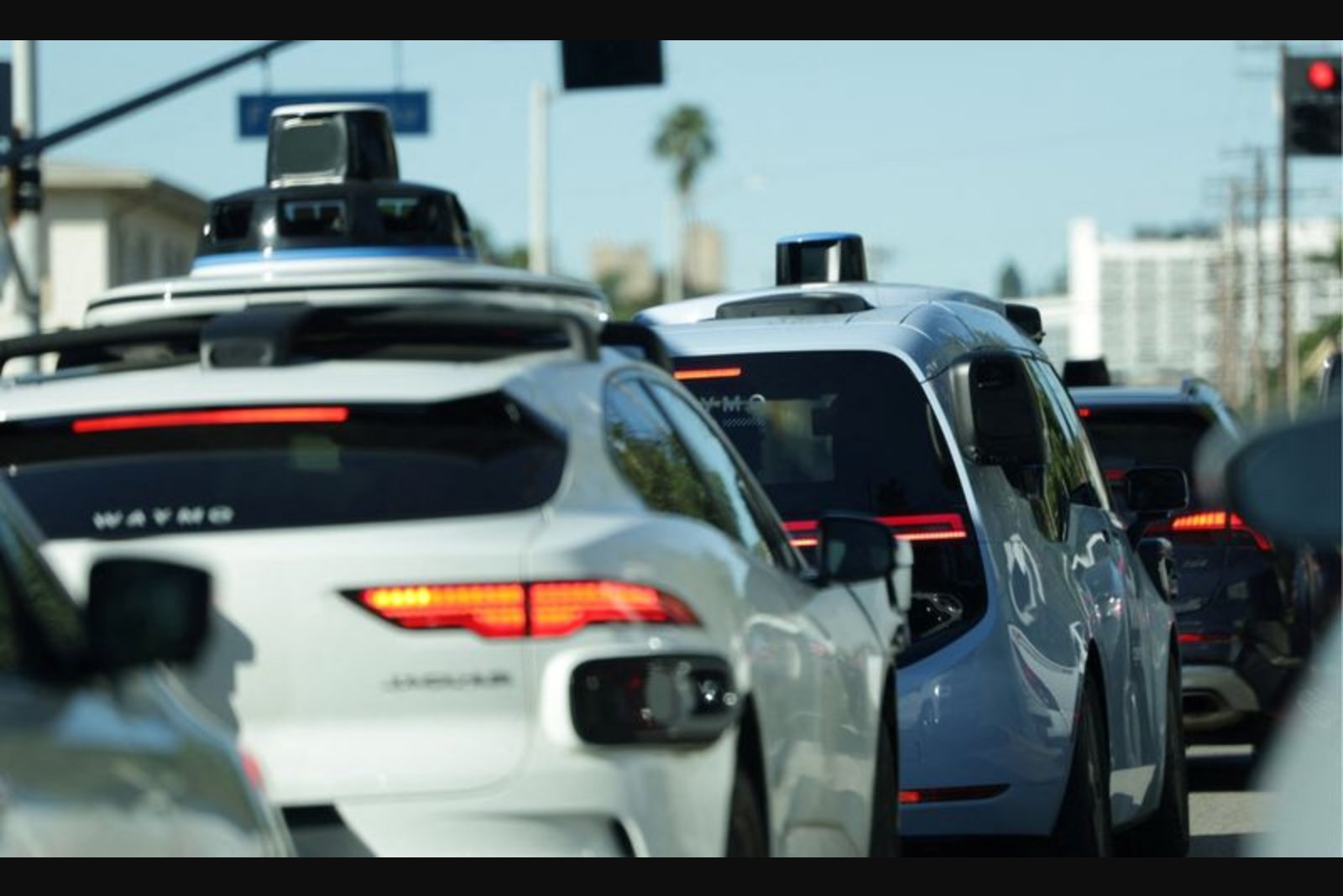
Feb 19 - New York Governor Kathy Hochul has removed from consideration a proposal that would have allowed commercial robotaxi services to operate in smaller cities outside New York City, a spokesperson for the governor said on Thursday. The spokesperson explained that after discussions with stakeholders, including members of the State Legislature, it was evident there was insufficient support to move the proposal forward.
The withdrawal represents a notable obstacle for Alphabet’s autonomous vehicle unit, Waymo. The company received its first permit to test autonomous vehicles in New York City last year, although that permit requires a trained specialist to remain behind the wheel during testing operations. Waymo operates paid, driverless rides in parts of the San Francisco Bay Area and in sections of Los Angeles, Phoenix, Austin, Atlanta and other cities, and had been looking to expand its presence into additional New York markets.
Waymo said it was disappointed by the governor’s decision but reaffirmed its intention to pursue access to New York through the legislative process. "While we are disappointed by the Governor’s decision, we’re committed to bringing our service to New York and will work with the State Legislature to advance this issue," a Waymo spokesperson said. The spokesperson added that the company hears from thousands of New Yorkers who have used Waymo in other cities and want the service available at home.
The pause in the proposal highlights the tougher-than-anticipated path to broader commercialization for self-driving services. Autonomous vehicle deployments have been subject to intense scrutiny following accidents involving autonomous vehicles, and those safety concerns have complicated regulatory and public acceptance pathways.
Advocacy groups and industry observers weighed in following the announcement. Adam Kovacevich, chief executive of the Chamber of Progress, framed the withdrawal as a missed opportunity to extend what he described as safety benefits demonstrated in other states. "Autonomous vehicles are already driving down accident rates and improving pedestrian safety in Arizona, California, and Texas. It’s disappointing that Governor Hochul is withdrawing her proposal, because New Yorkers deserve the same proven protections," Kovacevich said.
In addition to the policy and safety dimensions, the episode has commercial implications for companies engaged in autonomous mobility and related technology and infrastructure. Companies hoping to scale robotaxi fleets depend on predictable regulatory frameworks and broader geographic access to build user bases and revenue streams.
Separately, a paid stock-picking service promoting AI-driven investment strategies highlights strong recent performance for some of its model portfolios, noting that year-to-date two out of three global portfolios are beating their benchmark indexes and that 88% of portfolios are in the green. The service states its flagship Tech Titans strategy doubled the S&P 500 within an 18-month period and cites individual winners including Super Micro Computer and AppLovin.