
Hims & Hers Health’s recent attempt to introduce a low-cost, compounded oral semaglutide pill quickly unraveled, exposing the telehealth company to legal and regulatory pressure and prompting fresh scrutiny of compounding as a route into the booming obesity drug market.
The company had announced plans to sell a compounded version of semaglutide - the active ingredient in Novo Nordisk’s Wegovy - for $49. Within two days the plan was reversed after U.S. Food and Drug Administration Commissioner Marty Makary warned that the offering and similar products amounted to "illegal copycats." Novo Nordisk followed up by suing Hims & Hers, alleging patent infringement tied to its injectable weight-loss products.
Executives and analysts see the aborted pill offering as a bid by Hims to capture new customers who prefer oral medication to injections and as an effort to find a fresh growth engine beyond its original sexual-health businesses. But the episode has exposed the company to legal risk and underscored technical and regulatory obstacles surrounding oral peptide therapies.
Where Hims hoped to go
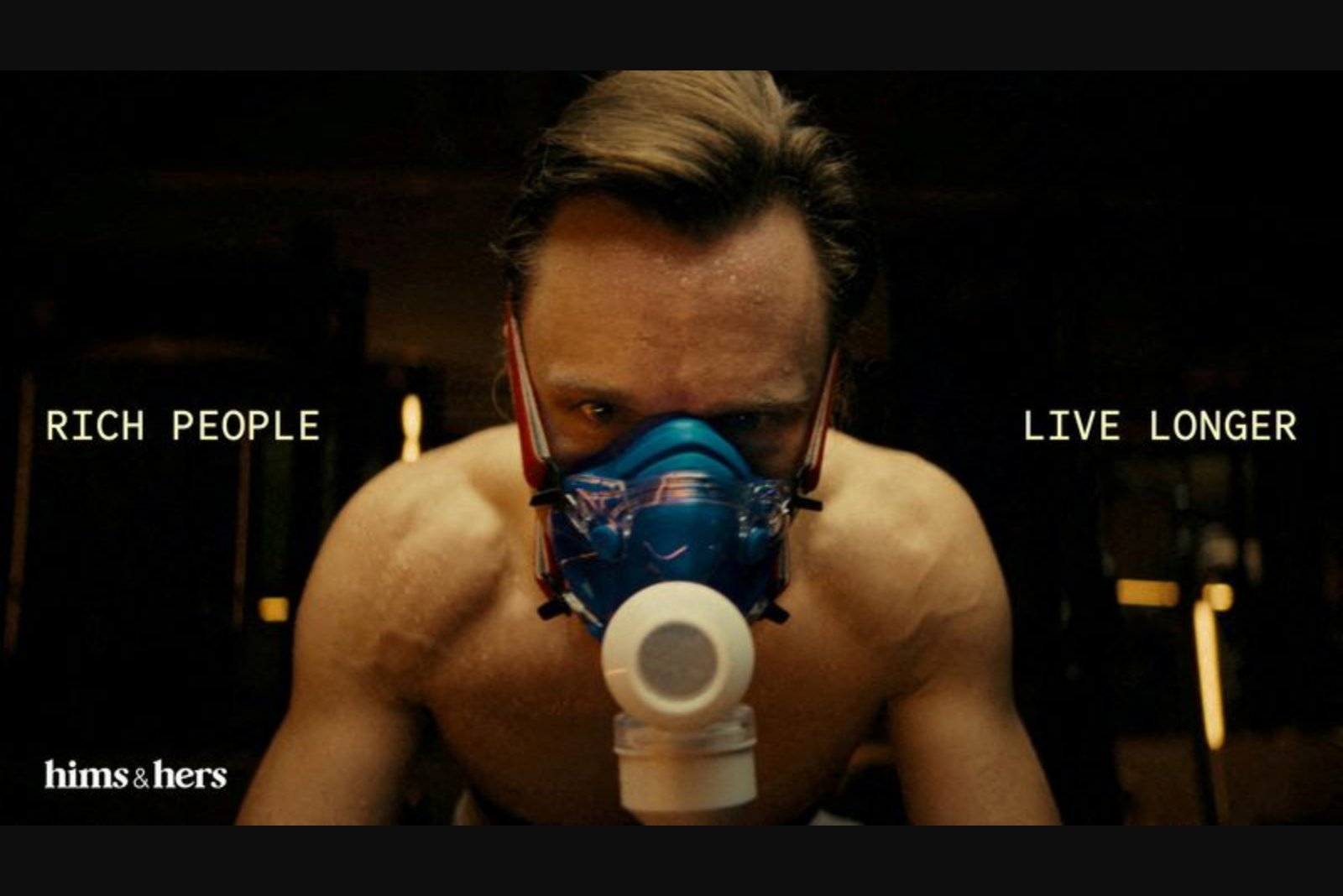
Hims, led by entrepreneur Andrew Dudum, has been positioning itself as an affordable access point to healthcare, a message reinforced by high-visibility marketing including an expensive Super Bowl advertisement. The company also has sought to raise its profile through political giving, donating $1 million to President Donald Trump’s inauguration - a sum the company matched to contributions made by much larger drugmakers, according to disclosures.
Most recent growth at Hims has been driven by its expansion into injectable weight-loss offerings. The company generated less than $900 million in revenue in 2023, the year before it began selling weight-loss injections, and Wall Street expects the company to top $2.3 billion in sales for fiscal 2025. Analysts are forecasting $620 million in fourth-quarter sales, a 28% increase from the comparable period. Hims’ compound annual sales growth has ranged from 59% to as high as 94% over the past four years, though forecasts project growth slowing to roughly 17% over the next two years.
Market reaction to the pill announcement was swift and negative: shares have slid to less than a quarter of the highs reached in mid-2024 and are down more than 45% since the weight-loss pill disclosures.
Technical and regulatory challenges
Industry participants note the obesity drug category could reach roughly $100 billion in annual sales by 2030, and that a significant portion of that market - Novo executives estimate a third or more - may ultimately be captured by oral therapies. Eli Lilly also has been developing an oral GLP-1, and industry expectations suggested an oral offering from Lilly could arrive as soon as April.
When shortages of GLP-1 injectables emerged in prior years, compounding pharmacies were temporarily allowed to market their own versions. With branded supplies more plentiful in the last year, some companies including Hims began offering what they described as personalized compounded formulations, adapting dosages or ingredients for side-effect management or allergies.
But analysts said Hims likely crossed a line with its planned oral semaglutide. Peptide molecules such as GLP-1s are fragile and require specialized delivery technology to be effective when administered orally. Hims acknowledged it planned to use a complex liposomal approach intended to improve absorption, but experts flagged that liposomal formulations are difficult to manufacture reliably at individualized dosing scales and that the process would not have had prior FDA approval.
Prashant Yadav, professor of technology and operations management at INSEAD, summed up the technical challenge: "It’s a tricky technology." He compared liposomal particles to bubbles and cautioned that inconsistencies in particle size could either prevent the pill from carrying the therapeutic payload or interfere with proper release timing. "Each of those bubbles has to be precisely the right size," Yadav said. "If some are too big or are too small, then it has the problem that it won’t carry the payload, or it may carry the payload, and when it’s time to release, it may not release it in the right quantity."
Those manufacturing and formulation complexities could raise safety concerns with regulators, particularly because a compounding pathway would rely on unapproved production processes for oral peptide delivery.
Market and competitive pressures
Branded manufacturers are moving aggressively on price and access. Novo Nordisk and Eli Lilly have both reduced prices for their GLP-1 therapies, and improvements in insurance coverage are anticipated to further shift demand away from gray-market or compounded alternatives. Evan Seigerman, a pharmaceutical analyst at BMO Capital Markets who covers Lilly, said compounded GLP-1 volumes will likely decline as branded prices fall, coverage improves, and regulatory scrutiny increases.
Seigerman noted the structural disadvantage faced by compounding-based platforms: larger, integrated manufacturers can produce at scale and greater efficiency, making it difficult for smaller operators to compete on cost and consistency. "That’s the problem with a platform that’s kind of based on selling of a gray-market product," he said. "Lilly and Novo are always going to be able to make their product more efficiently. They have the scale, so they’re going to win."
Implications for Hims’ strategy
Analysts say Hims may have viewed an oral semaglutide product as a major new subscription driver. Needham analyst Ryan McDonald observed the company’s other recent services - including testosterone therapies and cancer screenings - are likely modest complements rather than primary growth levers. With the pill initiative withdrawn and a patent suit pending, it is unclear where Hims will find a comparably large, defensible growth avenue.
The episode underscores broader questions about the role of compounding pharmacies and telehealth platforms in high-value drug markets, and suggests intensified regulatory and legal oversight could compress opportunity for smaller entrants attempting to replicate branded peptide therapeutics without access to proprietary technologies and approved manufacturing processes.
Summary takeaway
Hims & Hers’ hasty rollout and subsequent retraction of a $49 compounded oral semaglutide highlighted the operational, legal, and regulatory risks tied to attempting to replicate a class of complex peptide therapies at scale. As branded manufacturers reduce prices and expand access, compounded alternatives face mounting headwinds from both market competition and scrutiny from regulators and patent holders.