
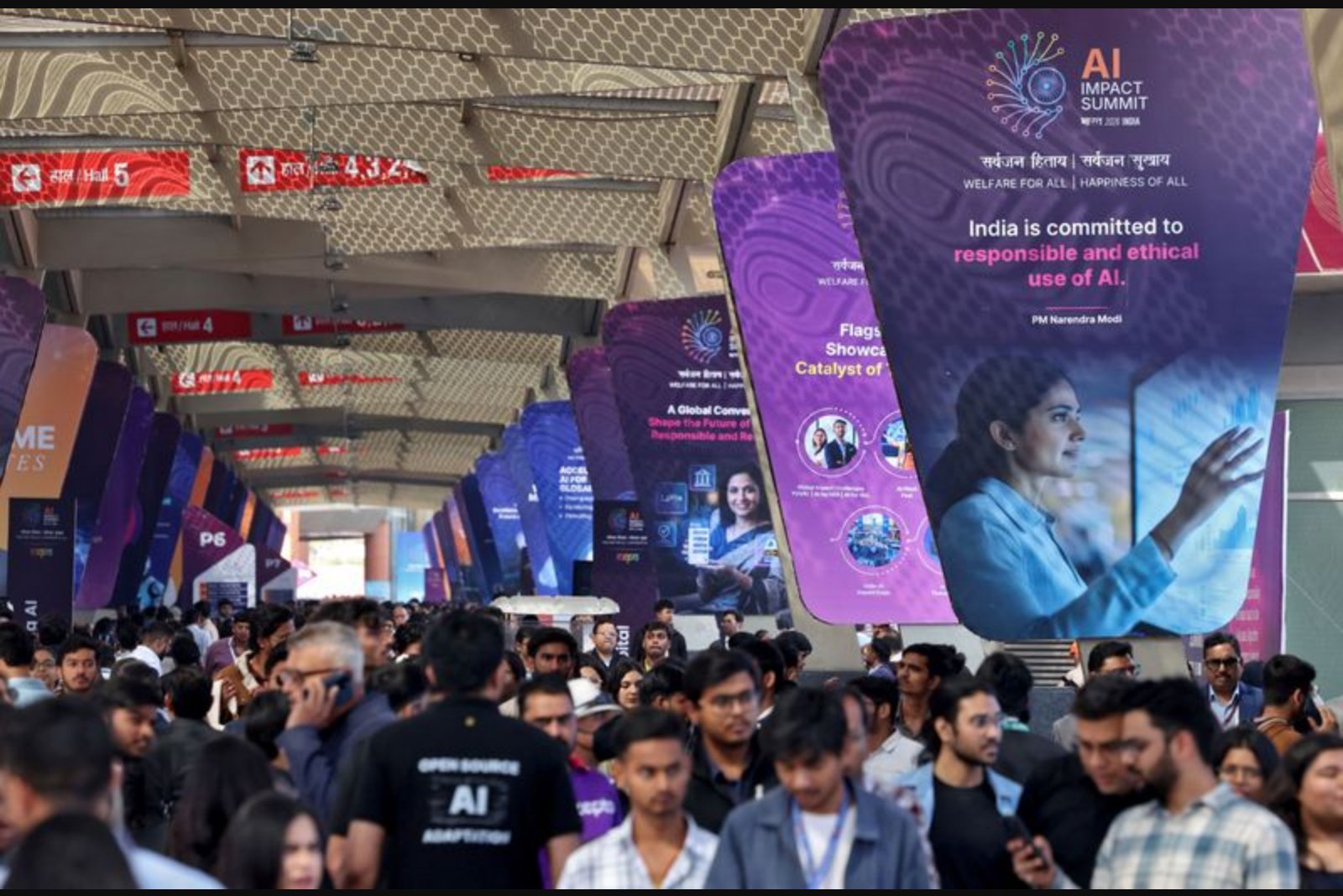
Bill Gates pulled out of his planned keynote at India’s AI summit only hours before he was scheduled to speak, the Gates Foundation said, stating the decision was made "to ensure the focus remains on the AI Summit’s key priorities." The late withdrawal compounds problems at an event already marked by operational missteps and growing frustration among attendees.
Organisers had only days earlier dismissed rumours that Gates would not attend and said he remained on track to participate. His absence adds to a string of high-profile adjustments to the summit roster - Nvidia CEO Jensen Huang also cancelled previously - creating a difficult opening for a forum promoted as the first major artificial intelligence gathering in the Global South and part of India’s effort to assert leadership in global AI governance.
The summit continues to feature heavyweight speakers who remain scheduled to appear, including India’s prime minister, the French president, the chief executive of Google, and leaders from OpenAI and Anthropic. Yet the departures of well-known figures have cast a pall over proceedings.
The Gates Foundation’s statement about the cancellation follows public scrutiny after the U.S. Department of Justice released emails earlier that included exchanges between the late financier Jeffrey Epstein and staff at the Gates Foundation. Those documents indicated that Gates and Epstein met repeatedly after Epstein’s prison term, with discussions focused on expanding philanthropic work. Gates has said the interaction was limited to philanthropic matters and called meeting Epstein a mistake.
The foundation, founded in 2000 by the Microsoft co-founder and his then-wife, is a major funder of global health efforts. The foundation’s prominence heightened attention on the summit and on the reasons for Gates’ absence.
Operational shortcomings at the summit have been widely reported by attendees. Exhibition halls were unexpectedly closed to the public on Thursday, a move that prompted further irritation among participants who had expected to view displays and engage with exhibitors. On Wednesday, organisers asked Galgotias University to clear its stall after a staff member presented a commercially available robotic dog made in China as if it were the university’s original work.
Beyond issues inside the venue, the summit precipitated significant disruption across the city. Authorities closed roads to prioritise VIP movement, and social media footage showed large numbers of delegates walking long distances in central Delhi as streets were shut, taxis were scarce, and no shuttle services were in evidence. Attendees described the situation as chaotic and criticised the apparent lack of advance planning for transport and crowd management.
The combination of last-minute speaker withdrawals, exhibitor controversies, and transportation breakdowns has undermined the opening days of a summit that India positioned as a pivotal forum for discussions on AI policy and governance among nations in the Global South.
Organisers have faced mounting pressure from delegates who said they arrived expecting a well-orchestrated international event but instead encountered a sequence of setbacks that hampered participation and access to scheduled programming.