
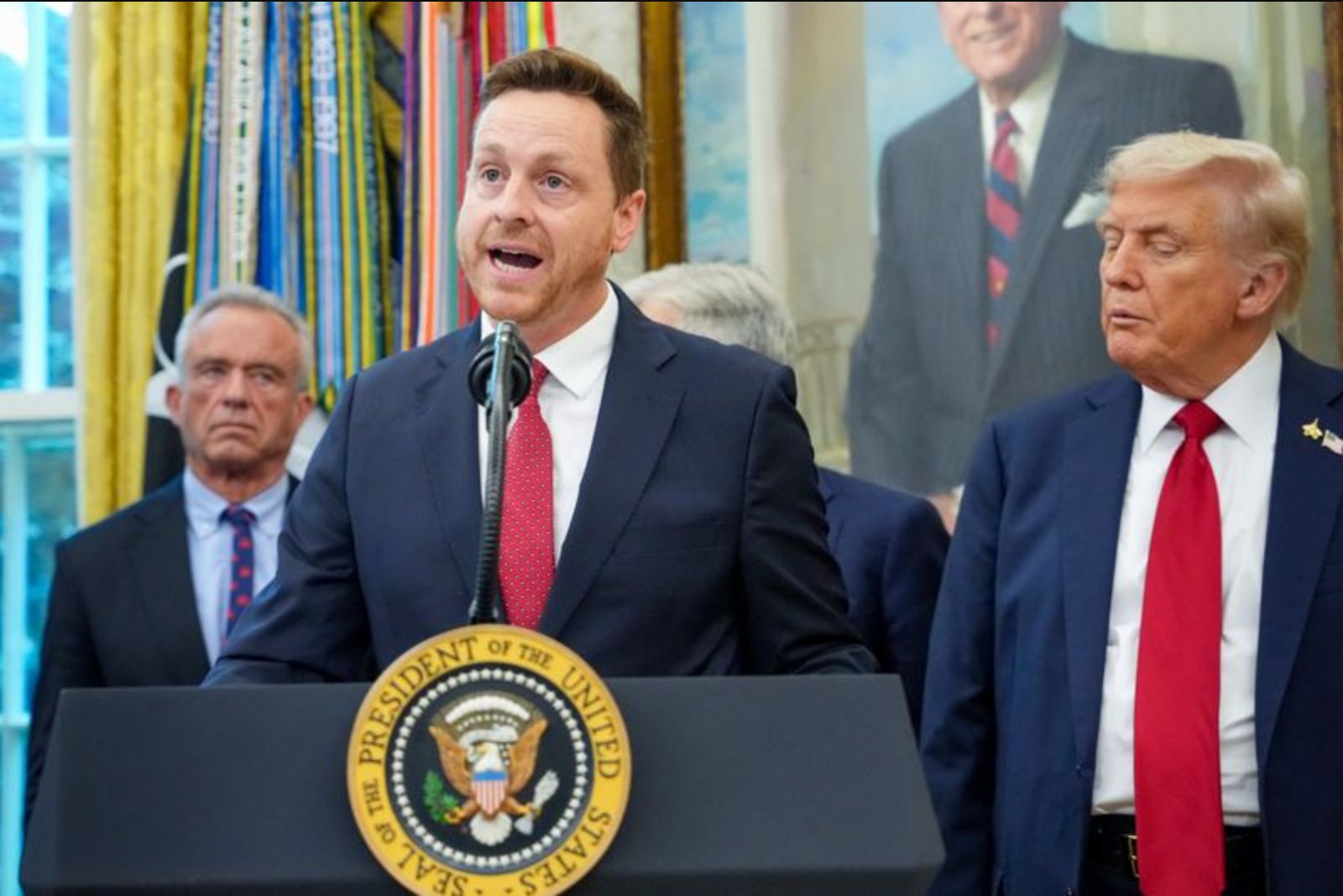
March 19 - HHS chief counselor Chris Klomp on Thursday described the field of contenders for director of the Centers for Disease Control and Prevention as promising, saying he is upbeat about the prospects for naming a strong permanent leader for the agency.
Jay Bhattacharya, who leads the U.S. National Institutes of Health, was appointed acting CDC director last month as part of a broader realignment within the Department of Health and Human Services ahead of the midterm elections. The shift followed a period of turbulence at the CDC tied to budget reductions, staff cuts and disputes over vaccine policy under Health Secretary Robert F. Kennedy Jr., a longtime anti-vaccine activist.
At a conference held by Stat News, Klomp said he had met and interviewed several candidates and was optimistic about the selection process. He stated, "I’m excited about (the) number of people that I’ve had the privilege to get to meet (and) interview and I’m very optimistic that we will select... an excellent leader for that agency."
Bhattacharya replaced Health and Human Services Deputy Secretary Jim O’Neill, who had been serving as acting CDC director since August. O’Neill took on that acting role after President Trump removed then-director Susan Monarez following her objections to proposed changes in vaccine policy advocated by Kennedy. Monarez’s dismissal prompted the resignations of four senior CDC officials, who cited the administration’s anti-vaccine policies and what they described as misinformation advanced by Kennedy.
During O’Neill’s time as acting director, the CDC made notable policy changes. In January, it removed long-standing broad recommendations for four childhood vaccines. Additionally, the agency last year approved an advisory panel recommendation against early use of the combined measles-mumps-rubella-varicella vaccine.
Legal developments have also affected the administration’s efforts to alter vaccine guidance. A federal judge on Monday issued a temporary block on key components of Kennedy’s initiative to reshape U.S. vaccine policy, including efforts to reduce the routine number of childhood shots and to overhaul the CDC advisory committee on inoculations.
The department’s leadership search continues amid this mix of personnel turnover, policy shifts and judicial scrutiny, leaving the CDC in a period of uncertainty while officials evaluate candidates for the permanent directorship.
Note: The article reports on personnel changes, policy decisions and a pending legal action affecting vaccine recommendations and CDC governance.