
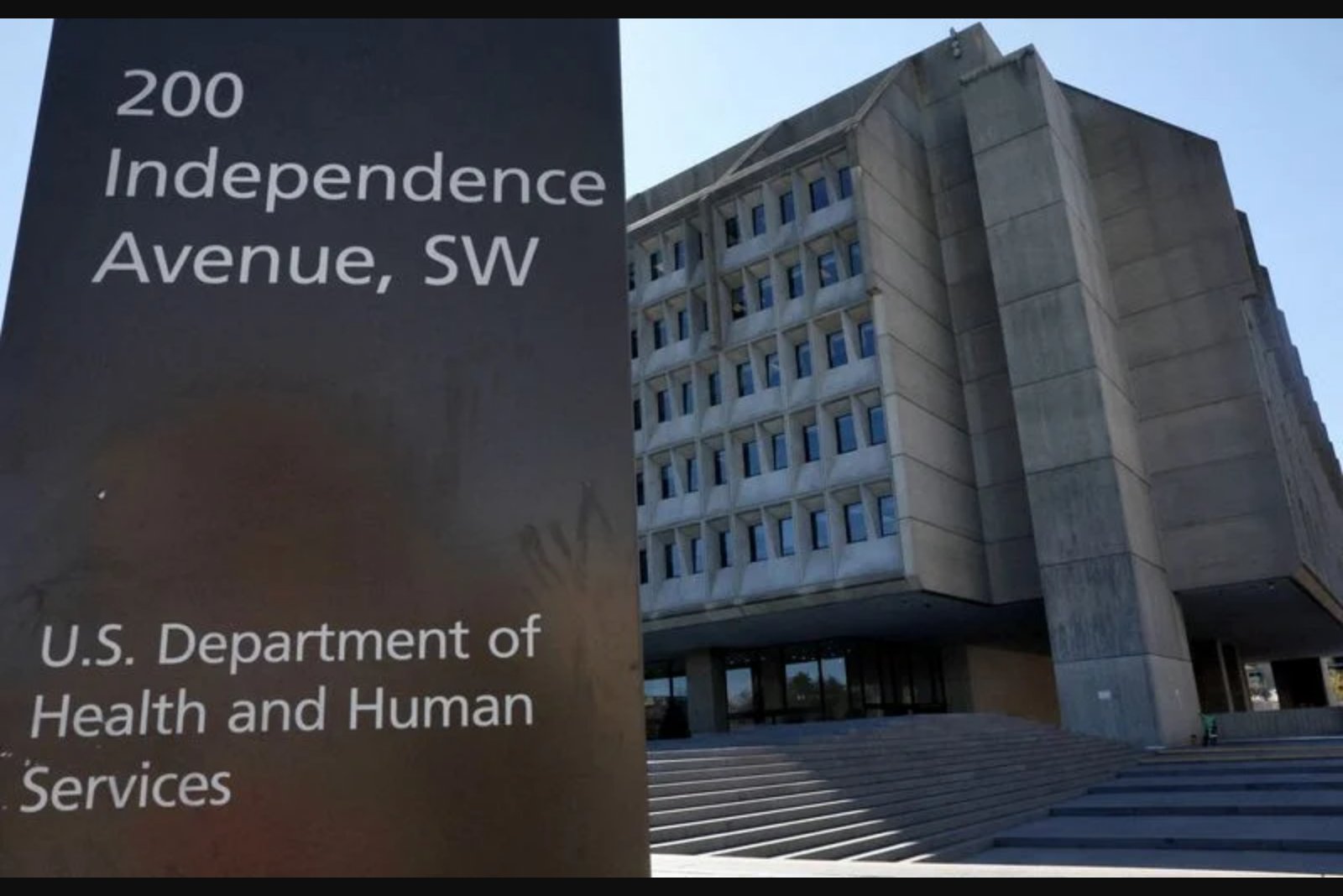
On July 6, the U.S. Department of Health and Human Services announced more than $281 million in grant funding opportunities across 15 distinct programs intended to address addiction, overdose and mental illness. The announcement was issued through the Substance Abuse and Mental Health Services Administration (SAMHSA).
The package of funding is designed to support a range of services and initiatives. According to the announcement, the awards will fund substance use disorder treatment, suicide prevention efforts, trauma-informed care, recovery services and workforce development. Training aimed at first responders is also included among the priorities.
Largest single award
The single largest opportunity within this round totals $68.2 million and is focused on expanding access to medication-assisted treatment for opioid use disorder. This program is identified as the most substantial allocation within the broader funding opportunities.
Other program priorities
- School-based mental health services.
- Trauma care targeted to children.
- Overdose response training for first responders.
- Community overdose prevention efforts.
- Integrated physical and behavioral healthcare projects.
- Suicide prevention programs on college campuses.
- Recovery support services and education initiatives focused on federal behavioral health privacy regulations.
The announcement groups these priorities under the broader goals of increasing access to evidence-based treatment, strengthening prevention and response capabilities, and building workforce capacity to deliver behavioral health services. Education around federal behavioral health privacy regulations is cited as a distinct area for grant-funded education initiatives.
Funding for first responder training and overdose response is specifically highlighted, reflecting an emphasis on equipping emergency personnel with skills and resources to address overdose incidents. Other grants prioritize settings such as schools and college campuses, indicating a focus on youth and young adult populations for mental health and suicide prevention programs.
In addition to direct treatment and prevention programming, the announcement includes support for integrated models that combine physical and behavioral health services, as well as community-based approaches to overdose prevention and recovery support services.
Clear summary
SAMHSA is offering more than $281 million in grant opportunities across 15 programs to bolster substance use disorder treatment, suicide prevention, trauma-informed care, workforce development and first responder training. The largest award in the package - $68.2 million - will be used to expand medication-assisted treatment for opioid use disorder.