
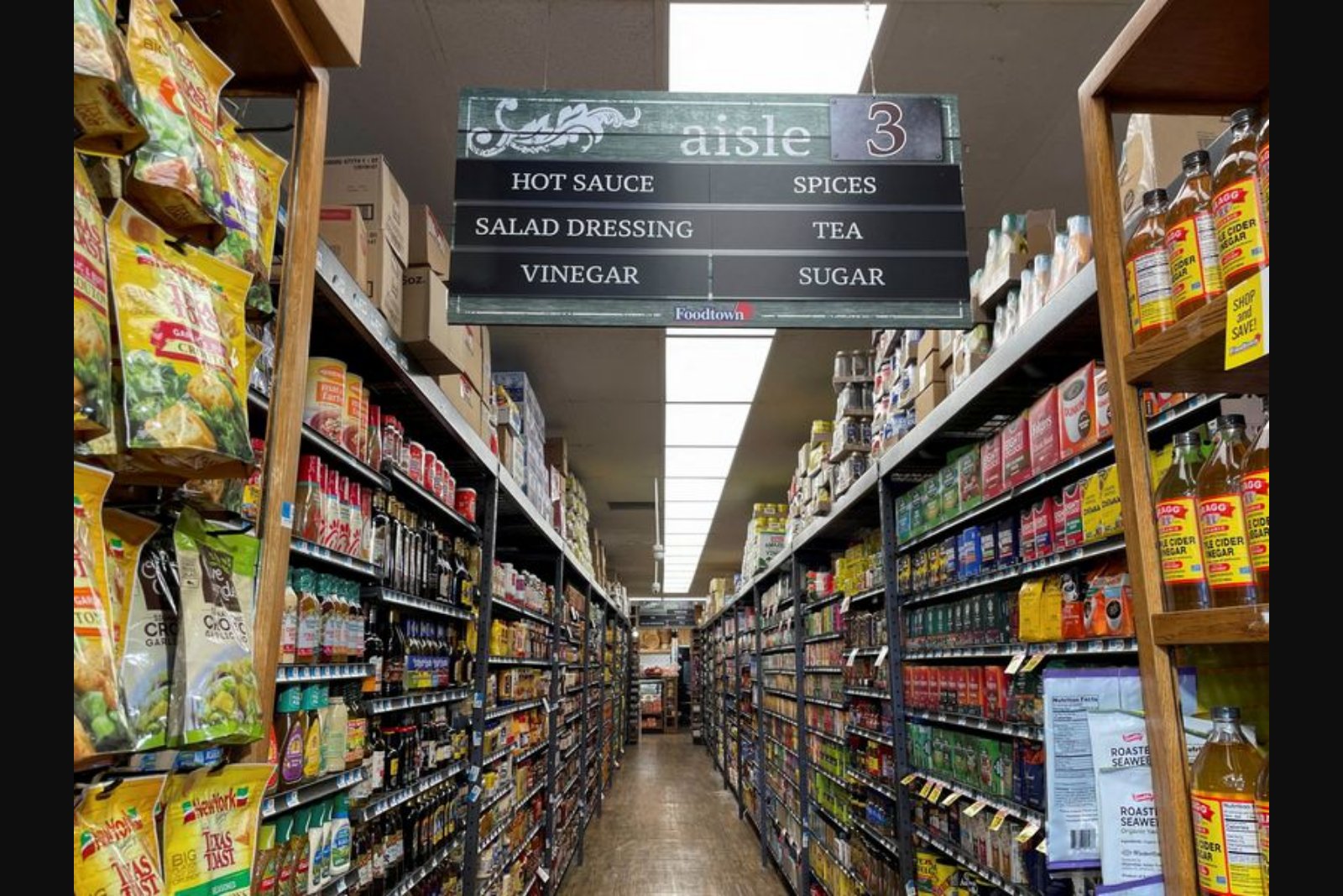
March 10 - The rising adoption of GLP-1 weight-loss medications is reshaping American eating patterns and generating fresh investor attention for manufacturers of sauces, spices and other flavoring products. Dealmakers say the category has become more attractive as consumers on GLP-1s pursue leaner diets and seek to add taste to simpler, less-processed meals.
Industry observers point to two recent transactions as evidence of this trend: the sale of Japanese barbecue sauce maker Bachan's to The Marzetti Company and the acquisition of hot sauce brand Tapatio by private equity firm Highlander Partners. Both deals closed in the last two months and reportedly drew multiple bidders and above-average valuations, according to people familiar with the transactions.
Marzetti, a specialty food products maker, paid about $400 million for Bachan's in a transaction completed last month. Bachan's reported net sales of $87 million in 2025. On a February 3 earnings call following the deal announcement, Marzetti CEO David Ciesinski described Bachan's as "GLP-friendly."
Highlander Partners, based in Dallas, acquired California-based Tapatio in late January for an undisclosed sum. The private equity firm promoted Tapatio as the No. 5 hot sauce brand in the United States. In its announcement, Highlander Partners' President and CEO Jeff Hull said Tapatio was "poised to benefit from several secular trends that are dramatically reshaping consumer food choices."
Buyers and bankers link those secular trends to the dietary shifts associated with increased GLP-1 usage. An estimated 12% of Americans have used GLP-1 drugs, and that rising usage is coinciding with changes in what consumers eat. As people move toward healthier, lean protein-focused diets, a larger share of meals center on ingredients that are less processed and, on their own, milder in taste.
That, in turn, creates space for sauces, seasonings and marinades to play a more prominent role at the table. "The move towards protein, particularly meats and eggs, as well as vegetables and other healthier parts of the food pyramid - they don’t always naturally have a lot of flavor. So, as people move away from processed foods to more wholesome areas, those naturally are an opportunity for a lot of these sauces and seasonings," said Justin Craig, managing director and head of food and beverage at investment bank Moelis.
Dealmakers also point to a behavioral response among some GLP-1 users. The drugs can cause muscle atrophy for some patients, prompting those individuals to increase protein consumption to regain or maintain muscle mass. That shift toward protein consumption often leads home cooks to use dry rubs, marinades and sauces to add flavor.
There is emerging scientific evidence that may help explain changing flavor preferences. Researchers led by Richard L. Doty, a professor at the University of Pennsylvania and director of the Smell and Taste Evaluation Center, reported in a March 2025 ScienceDirect Journal study that GLP-1 medications significantly blunt all five basic tastes - sweet, salty, sour, bitter and savory. The research found that patients taking GLP-1s reported notable changes in taste perception.
Marzetti's chief executive highlighted the practical impact of those dietary moves, noting a rise in chicken consumption among consumers. "And we all know that chicken tastes like chicken, so it begs for flavor," Ciesinski said in a statement. He characterized Bachan's as "a perfect complement to our other brands," referencing Marzetti's portfolio which includes Caesar Cardini's salad dressing and its own condiment lines.
The confluence of shifting consumer preferences and scientific findings on taste perception has created a fertile environment for M&A activity in sauces and seasonings. Buyers appear willing to compete and pay premiums for brands they believe are well-positioned to benefit from long-term changes in diet and home cooking behavior.
Summary: The increased use of GLP-1 weight-loss drugs is changing what Americans eat and how food tastes to them, boosting demand for flavorful sauces and seasonings and drawing elevated M&A interest, as shown by recent sales of Bachan's and Tapatio.
Key points:
- GLP-1 drug use - roughly 12% of Americans have used them - is linked to altered taste perception and dietary shifts toward lean proteins.
- Recent acquisitions of Bachan's (by The Marzetti Company for about $400 million) and Tapatio (by Highlander Partners for an undisclosed sum) attracted multiple bidders and above-average valuations.
- Sectors affected include specialty food and condiments, quick-service restaurants and snack food manufacturers that may face changing consumer demand.
Risks and uncertainties:
- Some fast-food and snack companies are projected to lose billions in revenue due to changing eating habits, creating revenue risk for those sectors.
- Key transaction terms can be undisclosed - for example, Highlander Partners did not disclose the price paid for Tapatio - which can create valuation opacity in the M&A market.
- Scientific findings on taste changes are emerging but may evolve; the study cited reports that GLP-1s significantly dull the five basic tastes, a factor that could change consumer behavior but also carries scientific uncertainty.