
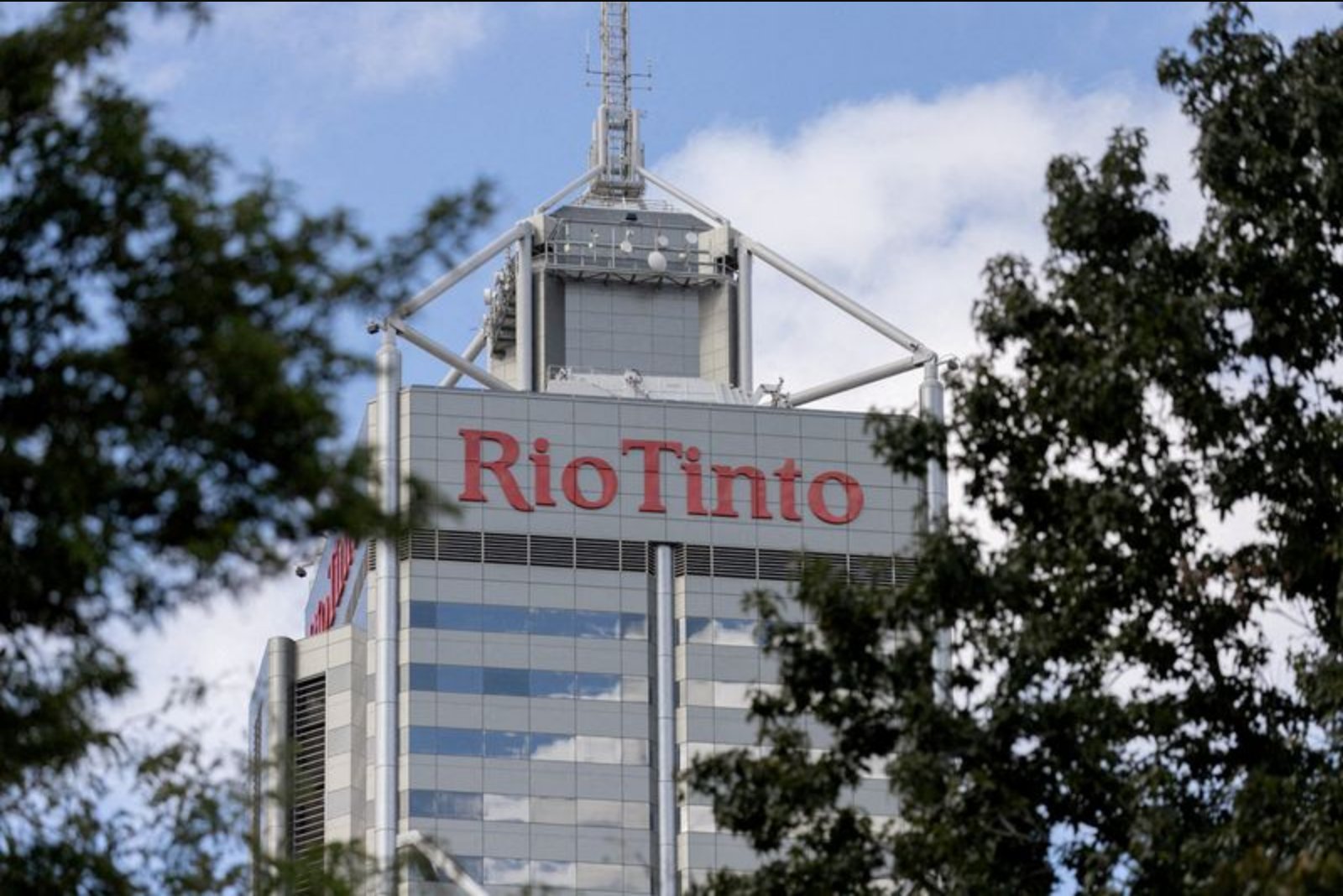
Glencore’s recent efforts to combine with Rio Tinto have collapsed, leaving the Swiss-based commodity group to pivot toward asset sales as it concentrates on building a larger copper franchise. Negotiations over a proposed $240 billion merger were terminated this week after the two sides could not bridge differences on valuation and ownership - marking the third time merger discussions between these companies have failed following earlier approaches in 2014 and 2024.
Insiders say one immediate element of Glencore’s portfolio reshaping will be the sale of its 70% stake in Kazzinc, the Kazakhstan-based zinc, lead and gold producer. The divestment is expected to be announced in the coming weeks, according to a source close to the matter. Analysts assessing the asset have placed its value at roughly $5 billion.
Glencore’s chief executive, Gary Nagle, has publicly advocated for consolidation within the mining sector, arguing that larger scale helps draw broader investor attention and can unlock value by combining complementary assets. Management has also set an operational target for copper production - aiming to reach 1.6 million metric tons by 2035 through a mix of new and restarted mines and efficiency gains across operations, up from a projected 852,000 tons in 2025.
Market participants and shareholders now expect a phase of sharper portfolio pruning. Investors view short-term disposals as the most likely route for Glencore to concentrate its business around higher-growth metals and its trading platform. "The next step may be to sell off assets individually ... to create a more concentrated copper and trading business that could attract a higher multiple," said Iain Pyle, an investment manager at Aberdeen.
Several potential moves are already in progress. Glencore is reported to be negotiating the sale of a 40% stake in its copper and cobalt business in the Democratic Republic of Congo to the Orion Critical Minerals Consortium, an initiative backed by U.S. interests. Separately, it is collaborating with Brazil’s Vale on a nickel venture and the pair are jointly assessing a brownfield copper development where their Canadian assets are adjacent.
Portfolio managers who hold positions in the company say Glencore can continue to "tidy up" its holdings and thereby release value for shareholders. "They (Glencore) can continue to tidy up their portfolio and release value," observed George Cheveley, portfolio manager at Ninety One.
The immediate market reaction to the breakdown in talks with Rio Tinto was sharp. Glencore’s shares plunged more than 10% on the day the discussions ended, though they have nonetheless outperformed from the calendar-year start, rising 19% so far this year. Over a longer horizon, the company’s adjusted EBITDA core profit declined by about 16% in 2024 and by 14% in the first half of last year. Glencore is due to report its 2025 results on Feb. 18.
Glencore’s strategic reorientation predates the failed talks with Rio. Management had already been pursuing deals to concentrate on copper, cobalt and nickel - metals closely linked to the energy transition - while retaining a sizable coal footprint. In 2024, after consulting shareholders, Glencore decided against spinning off its coal business.
That decision remains under debate. Glencore is one of the world’s largest thermal coal producers, and with coal prices showing signs of recovery some investors see an opportunity to extract value from the business while streamlining the broader portfolio. Cheveley noted the dual nature of coal cashflows: though a candidate for disposal, cash generated by the coal business remains strategically important to the group. "They probably would like to see a recovery in coal prices, which appears to be happening, but that cash from the coal business is still very valuable to them," he said.
Analysts point out that a partial listing of coal assets could re-rate Glencore’s equity, potentially freeing capital that could be redeployed into copper projects in Africa and South America as demand rises from electric vehicles, AI data centres and grid expansion. Company guidance indicates it would only revisit a coal spinoff if shareholders specifically requested it.
As for the prospect of returning to merger talks with Rio Tinto, analysts at Jefferies suggest a renewed approach cannot be entirely ruled out but see it as improbable in the near term. Under British law, Rio Tinto is barred from reopening talks with Glencore for six months. Sources familiar with the earlier negotiations said Rio Tinto rejected Glencore’s proposal that Glencore retain around 40% of the combined group, a stance some investors considered overly ambitious. The offer on the table was reportedly closer to a 62-38 split, which would have implied a roughly 30% premium for Glencore shareholders, according to those same sources.
"The strategic logic was always apparent, but perhaps finding a shared view on valuation was always going to be challenging," Pyle said, summing up the tensions that ultimately scuppered the deal.
When the latest phase of talks was announced last month, some market commentators speculated that the world’s largest miner, BHP, might step in as an alternative partner. At the time, sources familiar with the situation said BHP had ruled out a counterbid and that a renewed approach was unlikely. BHP declined to comment.
Operational and market implications
Glencore’s immediate priority appears to be converting non-core assets to cash to fund growth in copper and other transition metals, while preserving optionality on its coal franchise. How effectively the company executes on planned disposals - including the Kazzinc stake and DRC discussions - will shape its production mix, capital allocation and investor valuation going forward.