
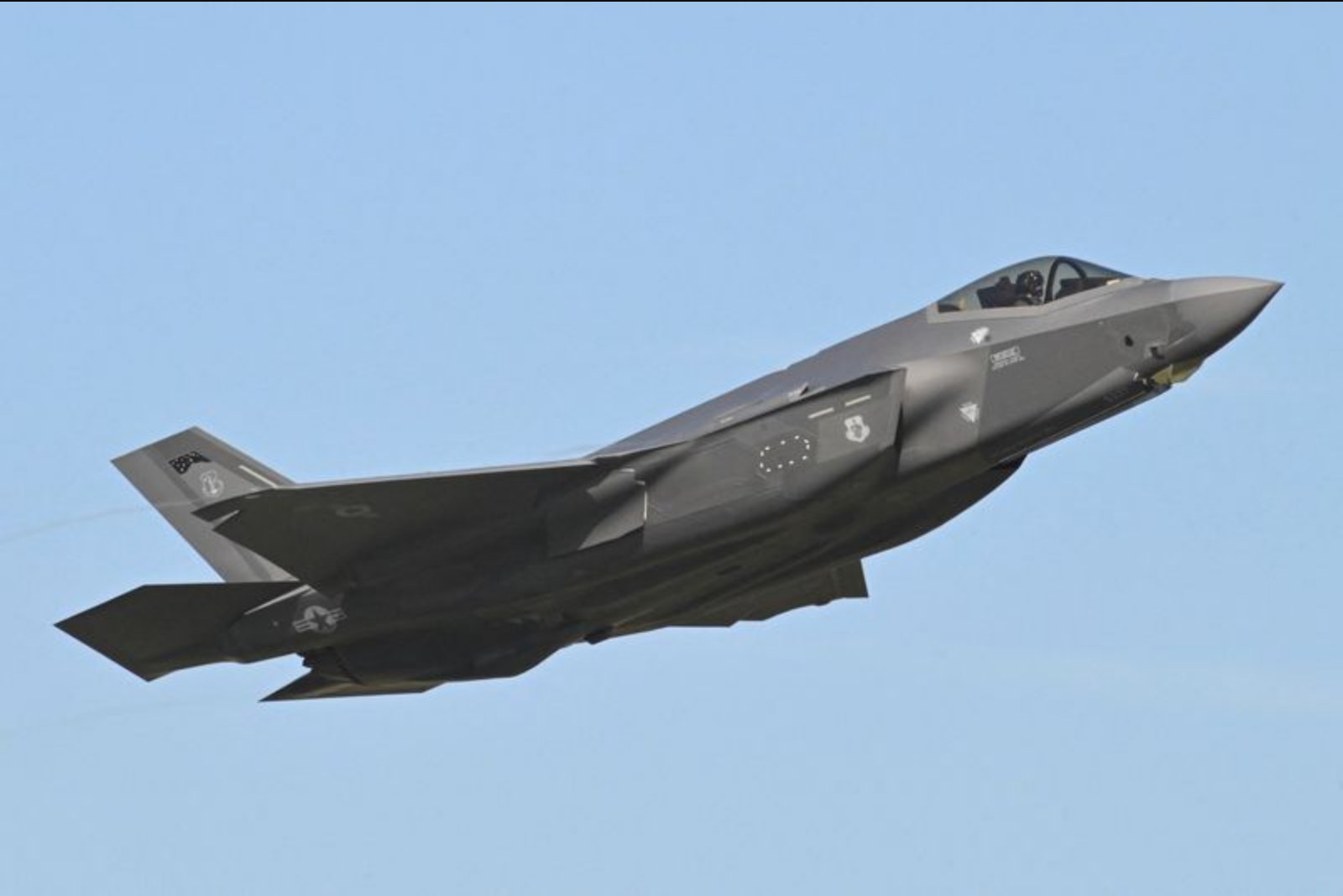
Germany is exploring the acquisition of more U.S.-manufactured F-35 stealth fighters, according to two sources familiar with the talks, a move that would deepen Berlin's operational dependence on American military hardware as its collaborative project with France to develop a next-generation combat jet encounters serious difficulties.
One source said negotiations could result in the purchase of more than 35 additional aircraft. Berlin previously ordered 35 F-35s in 2022; those planes are slated to begin arriving later this year.
The potential expansion of Germany's F-35 fleet follows pressure from Washington on European allies to boost defence spending. Each F-35 is valued at more than $80 million, according to the reporting. If all current orders and the possible additional purchases are completed, Germany would field around 85 F-35 jets. Both sources emphasized that the matter remains unsettled.
Official spokespeople were largely silent when approached. Germany's Defence Ministry did not immediately respond to requests for comment, while Pentagon officials directed questions back to German authorities. A Lockheed Martin spokesperson said the company was concentrating on producing the F-35 aircraft already ordered by Germany.
Reports in October indicated that Germany's defence minister intended to procure 15 more F-35s; one parliamentary source described that planned order as likely to be announced in the near term, according to the sources.
Adding significant numbers of F-35s would mark a notable strategic re-orientation for Germany - a move toward tighter military integration with the United States and away from the European defence autonomy championed by France. The shift would come as Germany and France are at an impasse over their joint Future Combat Air System, or FCAS - a problem-plagued program launched in 2017 with an estimated price tag of 100 billion euros to develop a next-generation aircraft intended to replace certain French, German and Spanish jets beginning in 2040.
Under the scenario that has recently emerged, Germany and France could abandon the FCAS project. Sources close to discussions expect that, while cooperation on FCAS may stall, Germany and France will likely continue joint efforts in drones and digital warfare infrastructure.
The potential German commitment to expand its F-35 holdings would also carry implications for NATO, because the F-35 plays a central role in the alliance's nuclear posture. The jet is the only Western fighter certified to carry the latest B61 nuclear bombs and is intended to replace Germany's aging Tornado aircraft, which currently perform that role.
Germany's chancellor, Friedrich Merz, questioned this week whether pursuing a manned sixth-generation fighter remains appropriate for the country's air force, citing the high development costs and uncertainty about operational needs two decades hence. "Will we still need a manned fighter jet in 20 years' time? Do we still need it, given that we will have to develop it at great expense?" he said on the Machtwechsel podcast.
German Defence Minister Boris Pistorius has said the fate of the FCAS initiative would become clear within days, underscoring the near-term nature of the decision point for the bilateral program.
Observers in the defence sector and allied capitals will watch closely for any firm announcement from Berlin. Any confirmed order for additional F-35s would reshape procurement timelines, alliance interoperability planning and the competitive landscape for future European combat aircraft development, while giving Germany more immediate operational capability as it reassesses long-term fighter development options.