
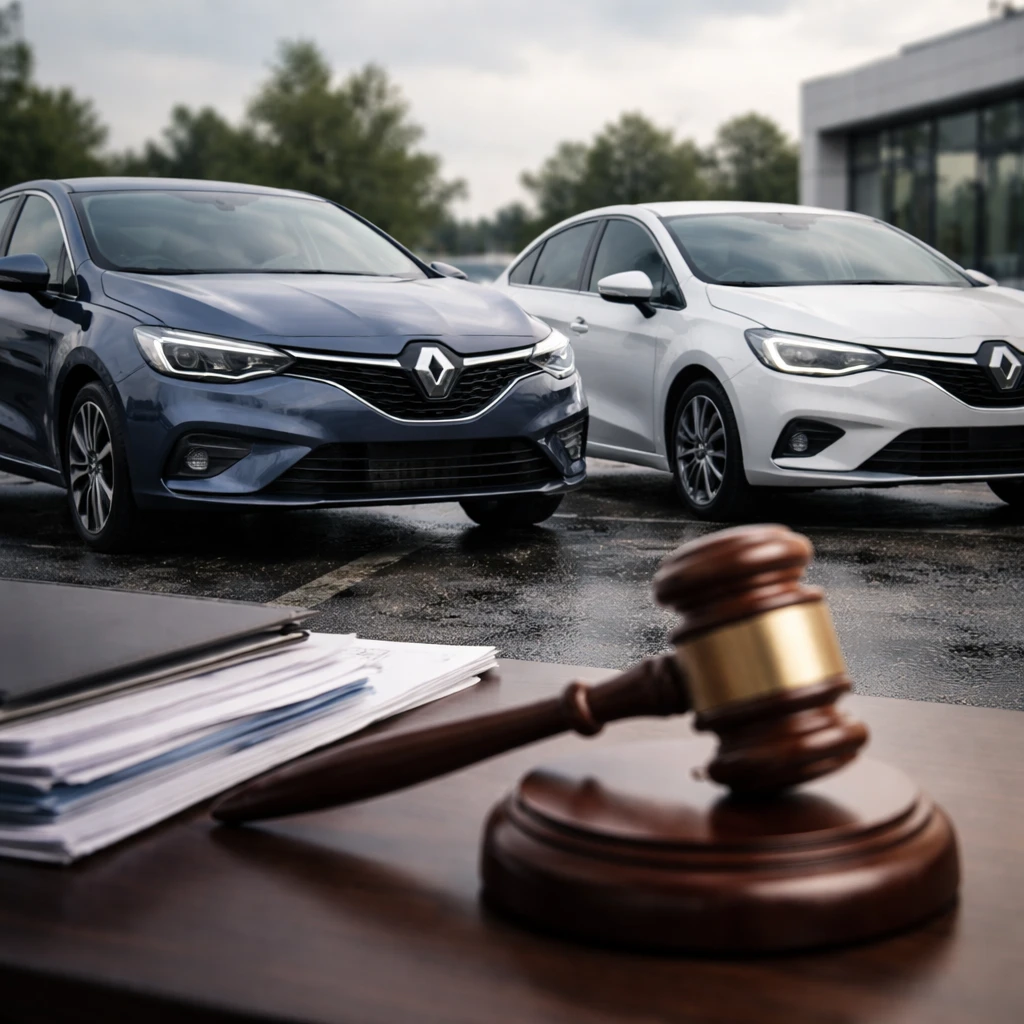
A German court has directed Renault to stop selling two of its passenger car models, the Megane and the Clio, following a ruling that the automaker lacks the necessary patent license to use particular ethernet network cable connections contained in those vehicles.
The decision was handed down by the regional court in Munich. The court determined Renault does not possess the license required to use the specified ethernet components at issue in the dispute with the U.S. technology company that initiated the case.
Under the court's terms, the injunction will not immediately take effect. Enforcement of the sales ban is conditional on the plaintiff posting a security deposit described as "several millions" of euros. Only if that deposit is paid would the order become effective.
The ruling also leaves Renault several paths to prevent or delay enforcement. The automaker can file an appeal against the decision, which would generally suspend immediate enforcement while the appeals process proceeds. Alternatively, Renault could pursue a negotiated settlement with the technology company to resolve licensing or use terms for the ethernet connections.
The dispute revolves specifically around the use of certain ethernet network cable connections in the Megane and Clio models. The court concluded Renault does not have the appropriate license rights for those components as currently implemented in the vehicles named in the order.
As described by the court's ruling, the procedural mechanics mean the sales prohibition is not automatically triggered. The requirement that the plaintiff lodge a substantial monetary deposit creates a financial barrier to immediate enforcement, and Renault's right to appeal or to settle provides additional avenues to challenge or resolve the matter before any sales halt takes effect.
The court action and its procedural contingencies will be closely watched by market participants focused on the automotive sector and suppliers of vehicle networking components, given the combination of intellectual property enforcement and the operational implications for vehicle models affected by the ruling.