
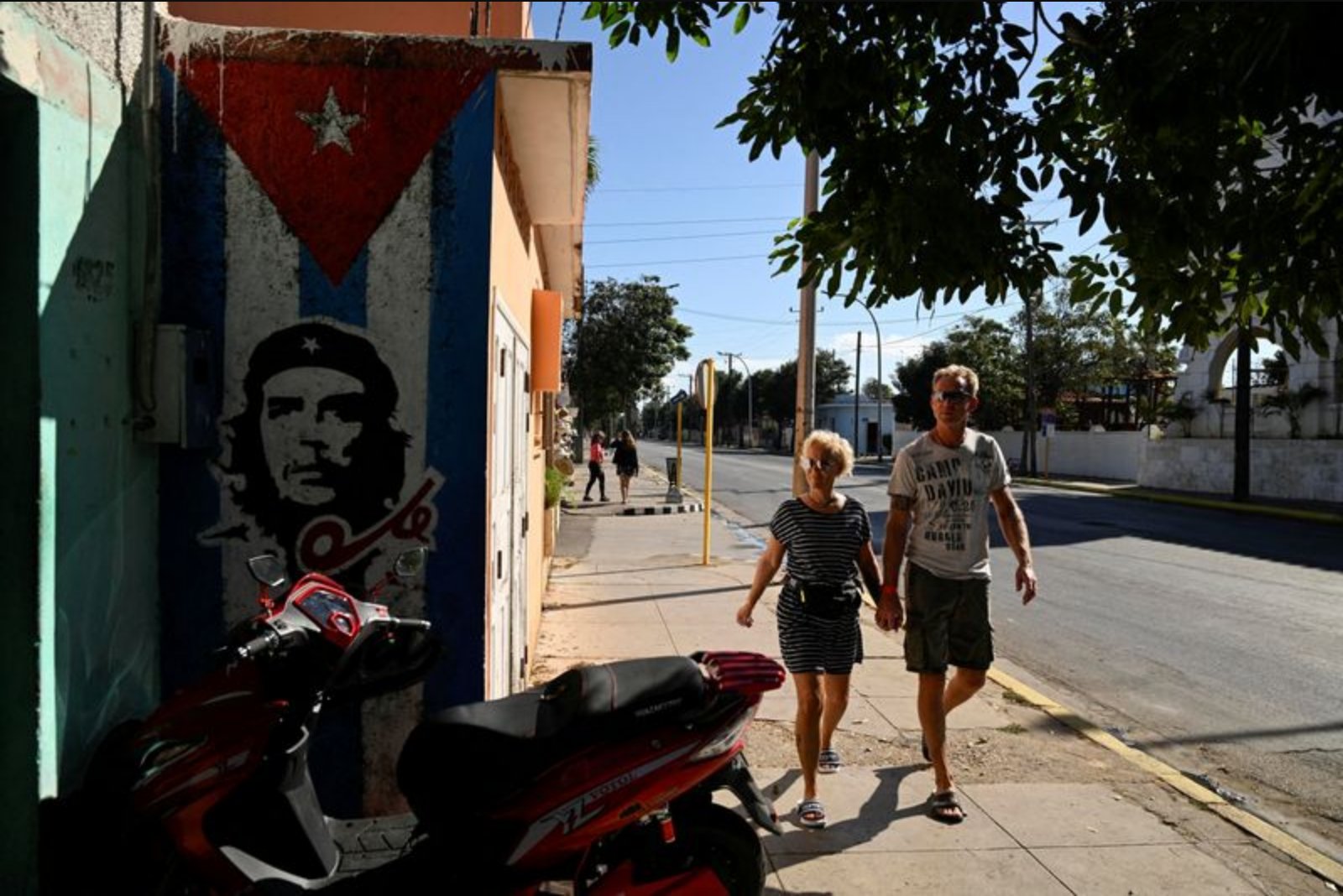
Varadero’s beaches, once crowded with sunbathers, now show clear signs of contraction as the island confronts a sharp jet fuel shortage announced on February 8. Turquoise water and powder-fine sand remain, but the human presence that sustained hotels, restaurants and tour operators during the peak northern winter season has thinned markedly. A broad survey of hotels, travel companies, airlines and on-island tourism workers indicates nearly every segment of the tourism value chain has been hit hard by the lack of fuel.
Flight suspensions from major carriers have been among the most immediate and visible consequences. Air Canada, WestJet and Transat - the leading airlines carrying travelers from Canada, Cuba’s largest source market - have announced suspension of services to the island. Analytics firm Cirium estimates these moves will result in the cancellation of as many as 1,709 flights through April, a disruption that industry watchers say could reduce visitor arrivals by hundreds of thousands during what is typically a busy winter period.
Russia, the third-largest source of visitors, has said it will repatriate tourists over the coming days and then halt flights until the fuel situation improves, according to aviation regulator Rosaviatsia. Airlines across Europe, South America, the United States, Russia and Canada have also cut schedules or adjusted routing as carriers cope with diminishing fuel availability on the island.
Hotel groups have reacted by consolidating and, in some cases, temporarily closing properties. The international hotel operator NH reported it had closed all of its Cuban hotels. Spain’s Melia, the country’s largest hotel chain on the island, said it had shuttered three of its 30 Cuban hotels and was moving guests into better-equipped properties with higher occupancy to cope with service constraints.
On the Varadero peninsula, at least two hotels were confirmed closed. A security guard at the Domina Marina resort - a large complex comprising multiple towers around a marina built in the early 2010s - prevented entry and said the hotel was closed, while the facility’s local phone line was out of service.
Local tourism workers described growing uncertainty and immediate operational strain. Alejandro Morejon, a 53-year-old tour guide who began working in Varadero soon after Cuba reopened to international tourism in the 1990s, said: "There is just total uncertainty. Everything is beginning to fall apart." Jorge Fernandez, who runs peninsula tours in a pink 1950s-era convertible, said he had fuel for only one more day and would have to "invent something else to do" once his supply ran out. "Trump and (Cuban President) Miguel Diaz-Canel need to come to some agreement because the only ones that are suffering here are the people," Fernandez said. "The country is shutting down."
Among tourists, anxiety has grown about the possibility of being stranded. Tyler LaMountaine, an Alberta-based oil and gas worker who travelled with his wife to escape Canada’s winter, said they were trying not to let the announcement ruin their trip but admitted: "But you get scared because everyone else is scared."
Economic implications are substantial given tourism’s role in supplying hard currency. Official figures reported in dollars show tourism brought in $1.3 billion in foreign exchange in 2024, accounting for roughly 10% of Cuba’s export earnings. Economist Paolo Spadoni of Augusta University in Georgia, who studies Cuba’s economy, noted that tourism combined with export of medical services and remittances are among the island’s primary sources of much-needed foreign currency. He warned that a complete collapse of the tourism sector would create an untenable situation for the Cuban economy and could threaten its survival.
Cuba attracted just 1.8 million visitors in 2025, down from 2.2 million the prior year, marking the lowest visitor totals in more than two decades. Those numbers underline how much the sector remains fragile after recent shocks and why the current fuel squeeze poses a significant threat.
Political decisions have played a central role in precipitating the shortage. The United States administration under President Donald Trump has designated Cuba as "an unusual and extraordinary threat" to U.S. national security, taking steps to block shipments of Venezuelan oil to the island and warning that it would consider tariffs on countries that supply fuel to Cuba. The administration’s measures form part of an intensified campaign to pressure Cuba’s government by cutting off fuel access.
Havana announced a contingency plan earlier in February aimed at preserving critical services such as emergency medical care and primary education. Government officials initially indicated tourism and international flights would not be affected. Two days after that assurance, however, aviation stakeholders were informed that jet fuel supplies were rapidly running low, prompting the wave of adjustments by airlines and hoteliers.
Industry surveys and anecdotal reports from Varadero highlight the immediacy of the operational strain: restaurants and souvenir shops remained open longer than expected, beach chairs and umbrellas stayed in place, and tourists continued to swim in clear waters, but the underlying logistical foundations that sustain tourism are fraying.
As the fuel shortfall stretches into its third week, local workers say keeping hotels and restaurants open will become progressively more difficult. The convergence of flight cancellations, hotel consolidations and declining visitor numbers poses near-term revenue losses for the sector and risks longer-term damage if the supply disruptions persist.
What happens next remains uncertain. Airlines, hotel operators and local businesses are reacting in real time to shrinking fuel supplies and shifting travel schedules. The immediate priority for many on the ground is evacuating visitors safely and preserving essential services. Beyond that, the scale of recovery will depend on whether fuel flows resume and on decisions by governments and international carriers. For now, Varadero’s postcard scenery contrasts sharply with the fragility of the systems that depend on a steady supply of jet fuel and uninterrupted air connections.