
The recent jump in gasoline prices, triggered by the Iran war and related disruptions to shipping through the Strait of Hormuz, has injected fresh uncertainty into purchasing decisions for drivers and dealers alike. In some markets, the price spike is translating into quicker turnover of electric vehicles and higher inventory acquisition activity at used EV retailers.
Martin Miller, owner of a used electric-car dealership southwest of London, said his business experienced its busiest Saturday on record in the week after the conflict began on February 28 with the bombing of Iran by Israel and the United States. The fighting has interrupted shipping through the Strait of Hormuz, a chokepoint that handles roughly 20% of global oil supplies.
"We’re turning cars very, very quickly," Miller said, adding that customers at his store, EV Experts, are concerned petrol prices will climb further. He described his staff’s buying behavior at auctions as spirited: they have been snapping up EVs "like mad," he said, "because we’re confident this will continue." Miller said he is racing to replenish inventory.
Government and agency data reflect fuel-price moves since the conflict began. British government figures show average gasoline prices per liter in Britain were up 7% as of March 16. The European Commission reported an 8% increase in the European Union. In the United States, the Energy Information Administration said the average gallon of gasoline rose about 27% since late February, to $3.72, as of Tuesday.
How buyers respond
Economic history demonstrates that abrupt spikes in oil prices can reshape consumer preferences for vehicles - for example, prior shocks encouraged demand for smaller, more fuel-efficient cars. But several industry analysts and market-tracking services cited in this report said the present surge in fuel prices may not immediately trigger a major swing toward new EV purchases in some regions.
Analysts point out that changes in new-car shopping behavior tend to follow sustained periods of elevated fuel costs or prices that cross a psychological threshold. Kevin Roberts, director of economic and market intelligence at online marketplace CarGurus, said, "Consumers are highly reactive to gas prices, but it tends to be that it has to hit a certain round number." He added, "The $4 (per gallon) threshold may be the one to watch," noting that a similar tipping point influenced EV interest during the prior oil shock in 2022.
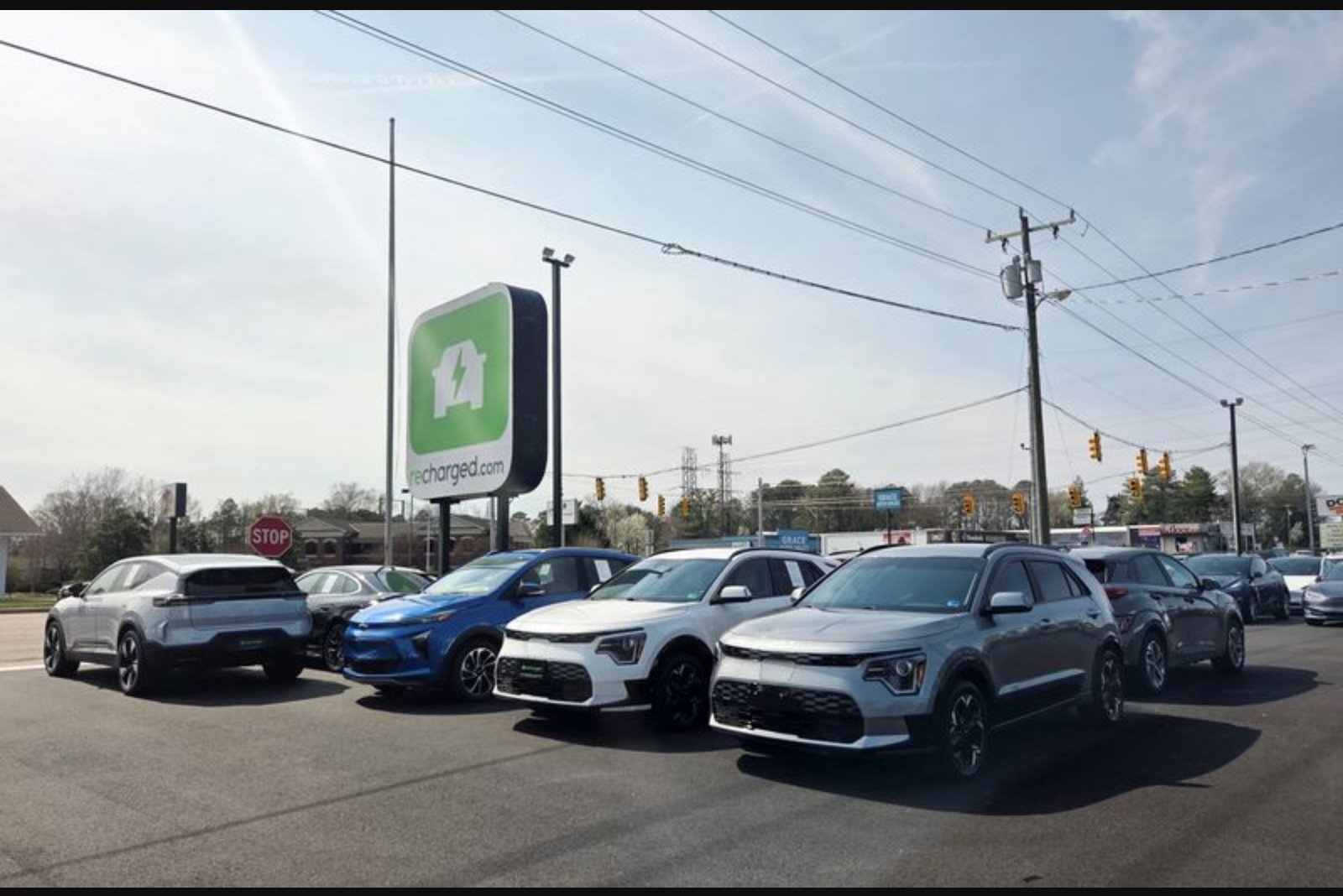
Yet individual buyers are already acting. In Richmond, Virginia, one U.S. customer, Zach Xavier, visited a used EV dealer named Recharged with his wife to trade in a combustion-engine SUV for an electric vehicle, and he also purchased a second, smaller EV. "I’m trying to get in before everybody freaks out," he said.
Not all indicators show an immediate swell in EV demand in the U.S. CarGurus said late last week it had not observed major shifts in searches for electric vehicles. Edmunds reported a modest rise in the share of shoppers looking at electrified vehicles in the first week after the war began, from 20.7% to 22.4%.
Europe appears more receptive
Observers said Europe could be more ready for a noticeable uptick in EV interest. Fully electric cars made up 19.5% of new-car sales in Europe last year, and some governments are reinstating tax incentives for electric purchases.
German online dealer MeinAuto reported a 40% increase in EV-related traffic since the start of the Iran war and said consultations have shown many customers are focusing more on running costs. In Germany, an online marketplace, Carwow, conducted a survey of 1,164 people on March 12 that found 48% of respondents said spiking fuel prices "would influence their decision to consider an EV or hybrid." Carwow also said the share of shoppers looking at EVs rose to as much as 66% between March 2 and March 12, up from 55% at the end of February.
Manufacturers and sellers are reacting to the changing calculus. Vietnamese electric-vehicle maker VinFast has offered a 3% discount on electric cars and 5% on electric scooters to consumers switching from gasoline vehicles "amid volatility in global fuel prices." According to Vietnam Petroleum Group, as of March 9 gasoline prices in Vietnam had jumped 50% since the war began.
U.S. market dynamics
In the United States, industry experts say a widespread move to EVs is unlikely unless gasoline prices climb substantially higher. EVs accounted for 7.7% of new-car sales in the U.S. last year, and sales momentum cooled after the federal $7,500 tax credit for EV buyers was eliminated under the Trump administration.
Research from dealer-services firm Cox Automotive found that many U.S. consumers would consider switching to an electric or hybrid vehicle if gasoline prices reached $6 per gallon. Cox’s director of insights, Stephanie Valdez-Streaty, warned that rising fuel costs could weigh on overall U.S. vehicle sales by adding to buyers’ uncertainty about tariffs and broader concerns about inflation and the economy. "Unless you really need a car right now," she said, "you might hold off."
Market and sector implications
- Used EV dealerships and online marketplaces are seeing increased activity and inventory purchasing, particularly in Europe and selected local U.S. cases.
- Automotive manufacturers and sellers may face differing regional demand pressures: Europe shows stronger current interest in electrified vehicles, whereas U.S. buyers may require a larger fuel-price shock to change behavior en masse.
- Fuel suppliers, shipping and logistics firms connected to crude transport through the Strait of Hormuz, and retailers of gasoline are directly affected by the supply disruption and resulting price moves.
The extent and longevity of any shift toward EVs will depend on the persistence of elevated fuel prices, consumer sentiment around running costs, and policy responses such as tax incentives. For now, dealers like Miller say they are preparing for continued demand, while some buyers in the U.S. and Europe are already acting to reduce exposure to volatile gasoline markets.