
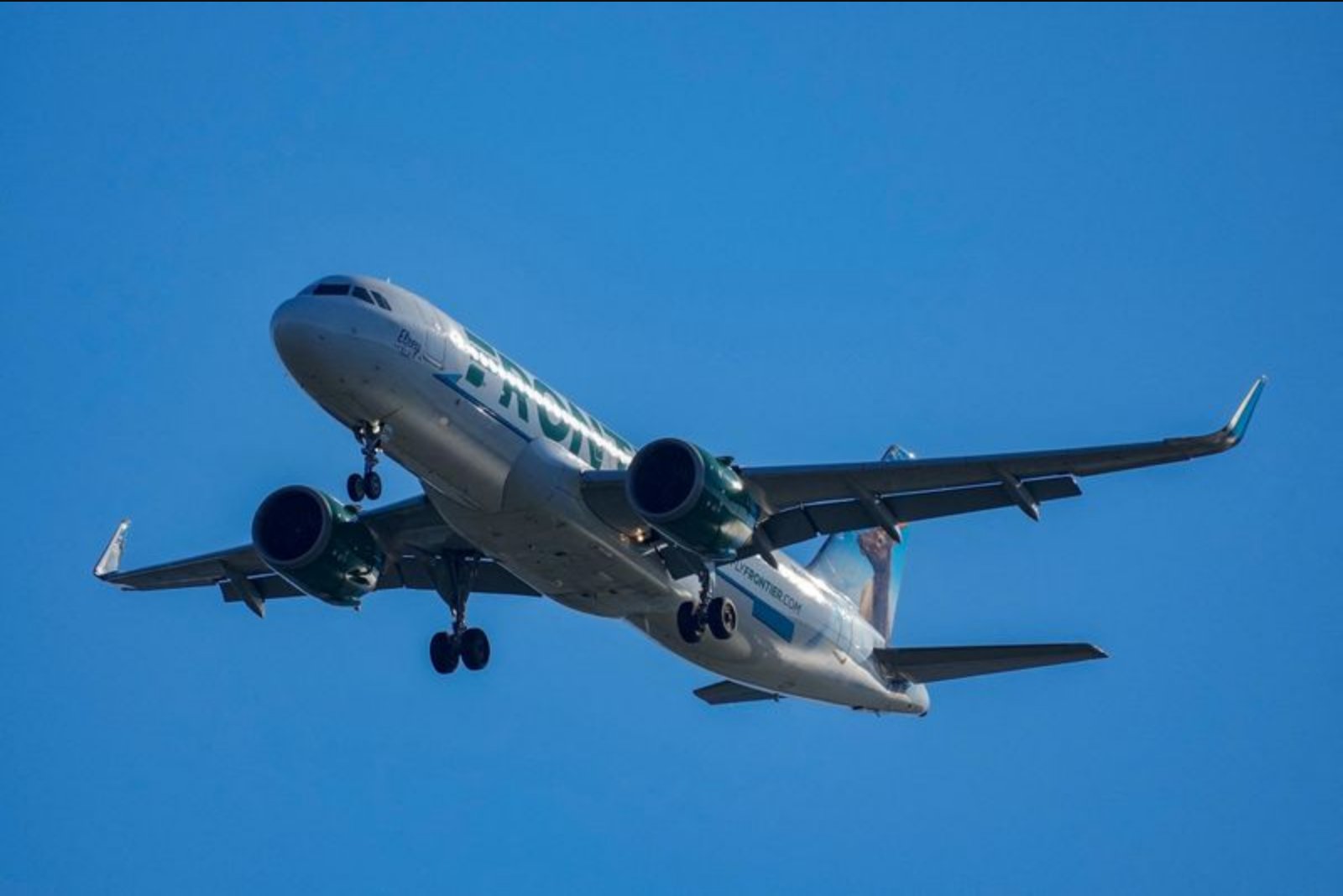
Frontier Group, the parent company of low-cost carrier Frontier Airlines, on Wednesday released a forward-looking adjusted earnings range for 2026 that spans a 40-cent-per-share loss to a 50-cent-per-share profit, centering on a midpoint that equates to a 5-cent gain. The forecast sits ahead of analyst expectations, where the average estimate points to a 1-cent loss per share, according to data compiled by LSEG.
Shares of the carrier responded positively to the outlook, rising 4.4% in early trading after the company outlined several measures designed to reduce near-term cash outflows and compress capacity growth. Frontier said it will terminate certain aircraft leases early and push back deliveries of some jets, moves that the company says are intended to preserve cash and tighten capacity.
Management framed the 2026 guidance within a broader context of uncertainty for demand, particularly in economy-class segments. The company highlighted the heightened challenge of forecasting near-term leisure and price-sensitive travel demand as consumers adopt more conservative spending patterns amid a tougher economic backdrop.
Frontier also pointed to industry cost pressures that continue to weigh on ultra-low-cost carriers. The airline noted elevated expenses tied to aircraft maintenance, fuel and crew, while competitors with stronger premium offerings capture higher-margin fares—a dynamic that has pressured traditional low-fare business models.
The carrier reported a fourth-quarter adjusted profit of 23 cents per share, outpacing the Street estimate of 12 cents. As part of its fleet and liquidity actions, Frontier said it has reached an agreement with aircraft lessor AerCap to terminate leases on 24 jets currently in service that otherwise were scheduled to expire over the next two to eight years.
In a separate arrangement with Airbus SAS, Frontier agreed to defer the induction of 69 A320neo aircraft that had been contractually expected to be delivered between 2027 and 2030. These deferrals form part of the company’s plan to moderate capacity growth and conserve cash.
Frontier closed out 2025 with $874 million in total liquidity. That total includes $220 million available under a recently expanded revolving credit facility, which the company cited as a component of its near-term financial flexibility.
On the revenue side, Frontier said it plans to introduce first-class style seating in early 2026, moving beyond its traditional all-economy configuration to add higher-margin products. The airline is also targeting growth in loyalty-related revenue, with a stated objective to double loyalty revenue to roughly $6 per passenger by the end of 2026.
Context and implications
The company’s unusually wide 2026 guidance range underscores the uncertainty that carriers encounter when attempting to model demand and profitability for the next 12 months. Frontier’s plan combines capacity discipline, fleet adjustments and product changes in an effort to protect margins and liquidity while responding to variable travel patterns.