
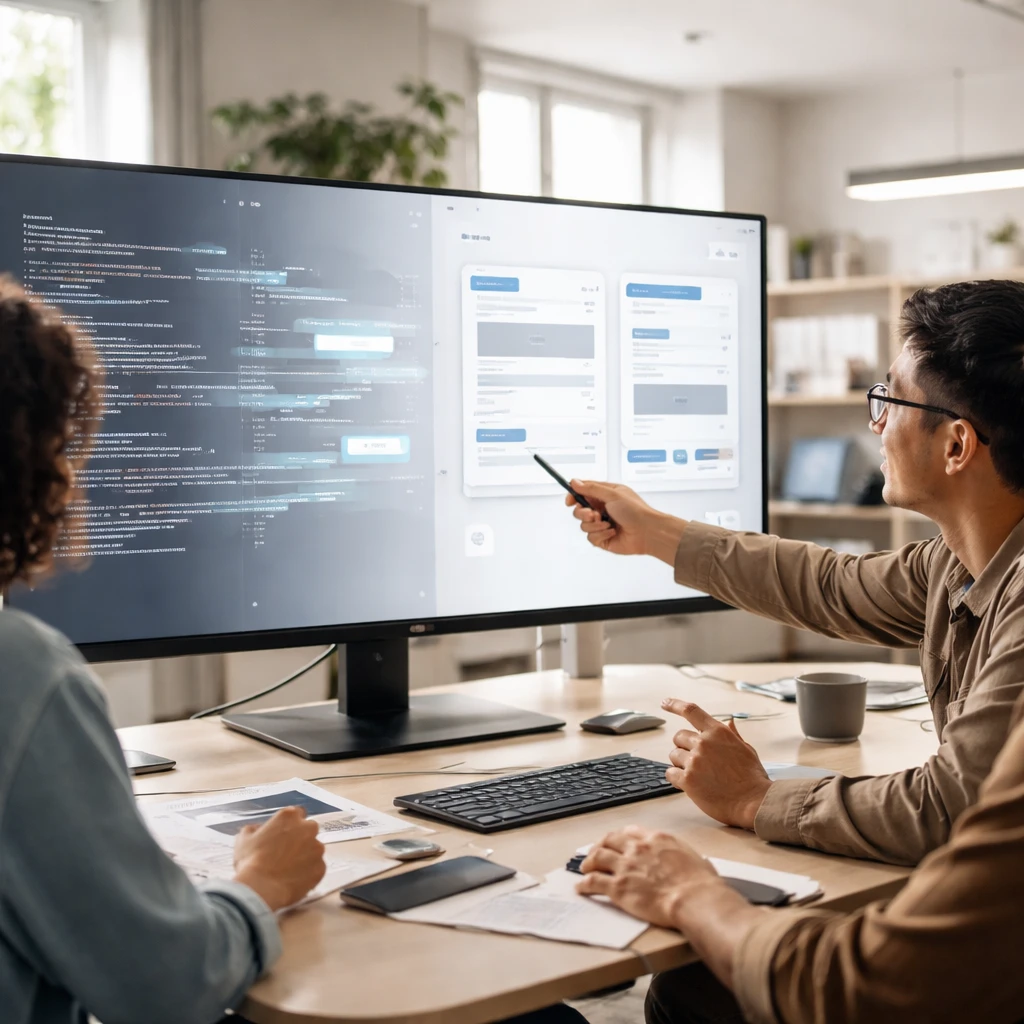
Figma announced a new feature, "Code to Canvas," developed in collaboration with Anthropic that will allow code produced by AI coding systems like Claude Code to be imported as editable designs within Figma's platform.
The feature is intended to connect AI-assisted coding workflows with the visual design process. Interfaces created by prompting AI coding tools can be transferred directly onto Figma's canvas, where design teams can iterate on the results, lay out alternative versions for comparison, and work together to finalize design decisions.
Figma framed the capability as a bridge between code-first interfaces produced by generative AI and the collaborative, visual design environment used by product and design teams. Once code-generated interfaces arrive in Figma, teams can refine spacing, typography, and interactive elements, as well as evaluate multiple options side-by-side before settling on a direction.
The announcement arrives amid a period of significant weakness in Figma's equity. The company's stock has tumbled roughly 85% from its 52-week high of $142.92, a level it reached in August following its initial public offering last summer. That decline has come during a broader wave of selling that has weighed on many software-as-a-service companies.
Market participants have pointed to products from Anthropic as a focal point in the sell-off that some Wall Street traders have labeled the "SAASpocalypse," a term used to describe the notable downturn in SaaS share prices. The partnership between Figma and Anthropic therefore comes against this backdrop of investor caution and sector-wide pressure.
Investors will have another data point to consider soon: Figma is scheduled to report earnings on Wednesday after the market closes. The company’s financial results and forward guidance are likely to draw attention given the recent share-price volatility and the timing of the new product announcement.
The new feature and the context surrounding it highlight the intersection of generative AI tools and consumer-facing software platforms, while also underscoring the market sensitivity of SaaS companies in the current trading environment.