
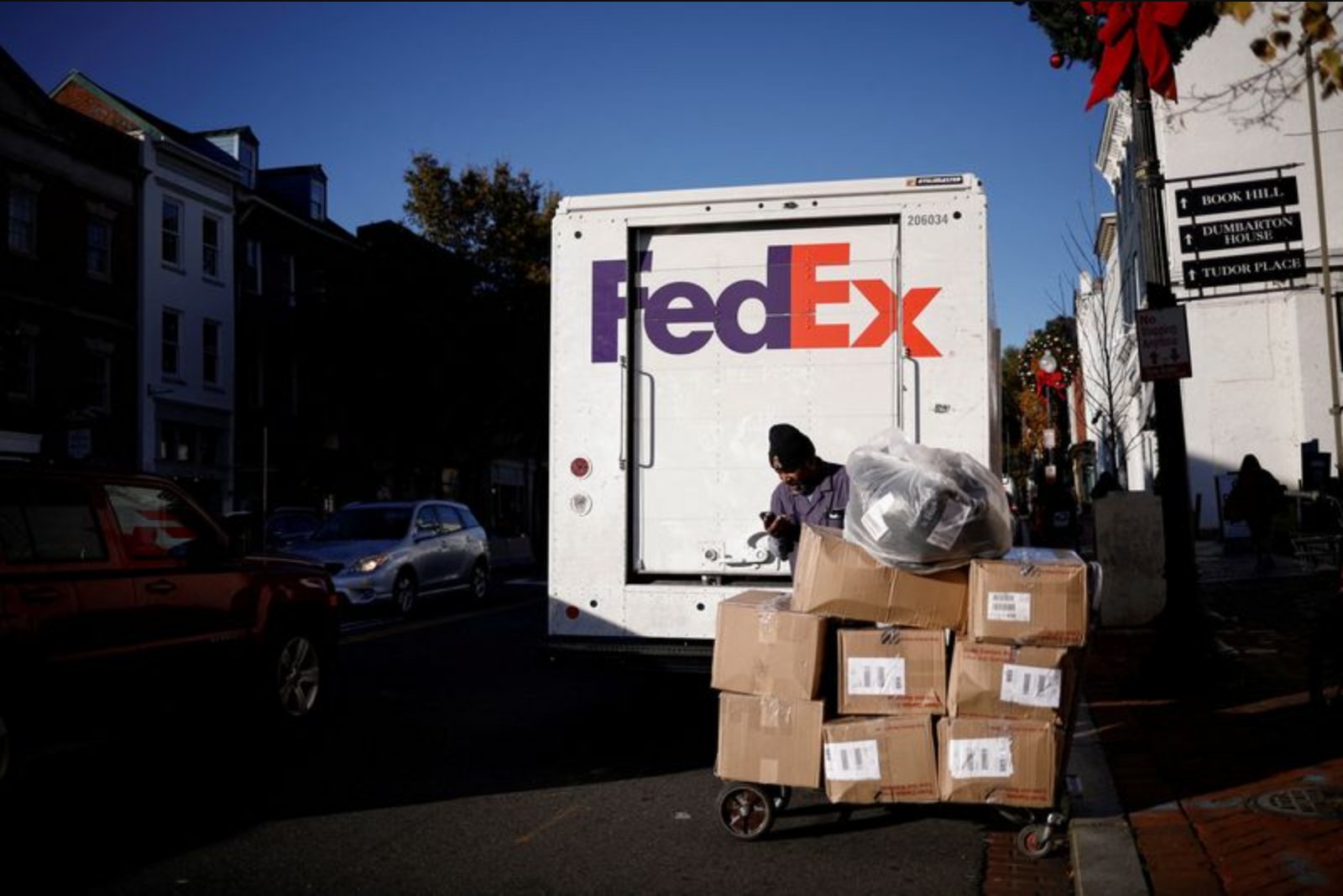
Customers of FedEx have initiated a proposed class action in federal court in Miami, Florida, requesting that the global shipping company return duties and related fees levied on imported goods now judged to have been improperly imposed. The complaint, filed on Friday, follows a U.S. Supreme Court decision earlier this month that found the emergency tariffs levied under the International Emergency Economic Powers Act (IEEPA) to be unlawful.
The Miami suit seeks compensation on behalf of what it describes as potentially millions of shippers who paid import duties and ancillary charges on items that the complaint asserts should have entered the United States duty-free. The litigation centers on refunds for both statutory IEEPA duties and the brokerage and clearance fees charged by the carrier.
FedEx issued a statement on Friday acknowledging the possibility of refunds, saying: "If refunds are issued to FedEx, we will issue refunds to the shippers and consumers who originally bore those charges." The plaintiffs' filing argues, however, that FedEx's public assurance is not sufficient in law. The complaint quotes counsel for the named plaintiff, who said the legal action aims to recover every cent that American consumers were improperly charged.
The lead plaintiff in the Miami case, a Florida resident identified in court papers, described a specific charge tied to a consumer purchase. According to the complaint, the plaintiff was billed $36 for an import of tennis shoes from a German retailer - itemized as $21 in IEEPA duties and $15 in brokerage and clearance fees - charges the suit contends should not have been required.
FedEx is not alone in the aftermath of the Supreme Court ruling. The carrier is among at least 2,000 companies that have already sued the federal government in the U.S. Court of International Trade seeking to recover tariffs they paid under the IEEPA program. Large manufacturers, beauty and consumer brands, and retailers have also filed suits seeking refunds in that tribunal.
In separate filings noted in court records, a range of companies including toymaker Hasbro have joined the wave of litigation against the government. Other corporate plaintiffs identified as having filed actions to recover imposed duties include several consumer-facing brands and retailers that paid import tariffs and related charges.
The Supreme Court issued its ruling on February 20 by a 6-3 margin, finding that the use of the emergency powers law to impose the sweeping tariffs exceeded the authority granted. That decision forms the legal basis for the class action in Miami and for the scores of suits already pending at the Court of International Trade.
The Miami complaint seeks to secure refunds directly from FedEx for customers who paid both statutory duties and brokerage or clearance fees linked to the contested tariffs. The coming months are likely to determine whether courts will require carriers to return such charges to shippers and consumers, or whether refunds will flow from the government to carriers first as FedEx has outlined in its statement.