
Lead
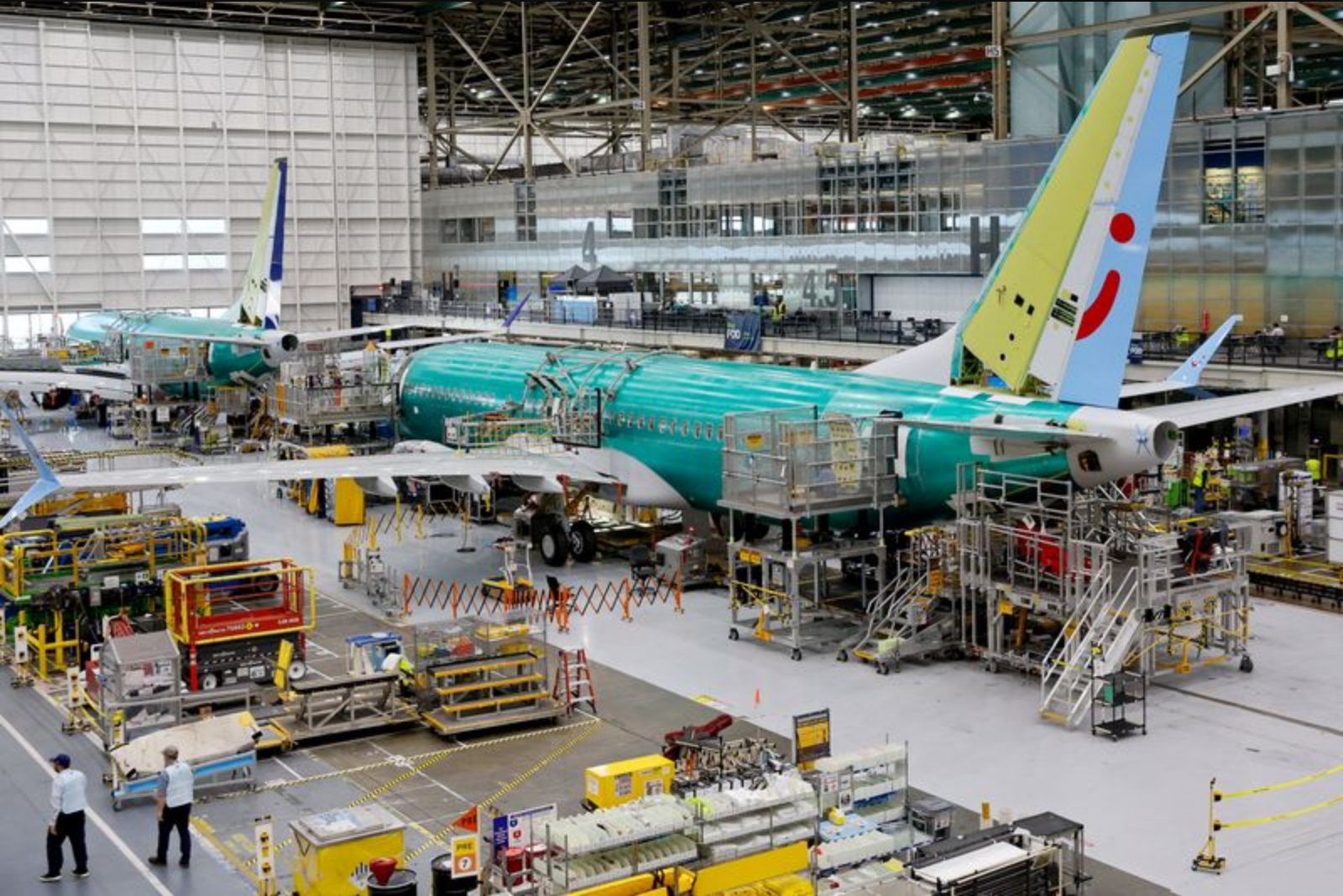
A federal judge has certified a shareholder class action accusing Boeing of hiding safety defects in its 737 MAX airliners before two deadly crashes that together killed 346 people. The court ruled that shareholders who held Boeing stock between November 7, 2018 and October 18, 2019 may proceed as a group, finding they showed a common means to calculate damages.
Scope of the class
U.S. District Judge Franklin Valderrama in Chicago limited the class period to that span, which is two months shorter than what the investors had requested. Class certification allows investors to pursue collective relief at lower cost than individual suits and can increase potential recoveries.
Plaintiffs and parallel litigation
The shareholder plaintiffs are led by a combination of pension funds and private investors. Separately, Boeing is defending another class action in federal court in Alexandria, Virginia, where plaintiffs allege the company overstated its commitment to aircraft safety before a mid-air cabin panel blowout on an Alaska Airlines 737 MAX 9 in January 2024.
Neither Boeing nor its legal representatives provided an immediate response to requests for comment. Salvatore Graziano, representing the shareholders, declined to comment.
Allegations against Boeing
Shareholders accused Boeing of accelerating development of the 737 MAX, disregarding safety warnings from its employees, and misleading the Federal Aviation Administration about the aircraft's safety because the company feared losing market share to Airbus, whose A320 family competes with the 737.
The suits were filed after two fatal accidents: a Lion Air crash in October 2018 that killed 189 people, and an Ethiopian Airlines crash in March 2019 that killed 157 people.
Dispute over class period end date
Plaintiffs asked the court to extend the class period through December 16, 2019, saying Boeing's temporary suspension of MAX production on that day revealed the company had an "unrealistic" timeline to return the jet to service. Boeing opposed that extension, arguing the market already understood the aircraft would remain grounded into 2020.
The court set the class period to end on October 18, 2019, which is the date the market learned about an internal comment from the MAX's chief technical pilot, Mark Forkner, who in 2016 had warned that an automated system on the airplane was "running rampant."
Related enforcement action
In January 2021, Boeing agreed to pay more than $2.5 billion to resolve a U.S. Department of Justice criminal charge alleging the company conspired to defraud the FAA about the MAX's safety. That prior resolution is part of the factual backdrop cited by investors in their civil claims.
Investor decision tools noted in original coverage
Materials accompanying the original coverage referenced a third-party AI-driven stock selection tool that evaluates Boeing (BA) and other companies using numerous financial metrics to identify investment ideas. That material described the tool's goal of assessing fundamentals, momentum, and valuation without bias and cited examples of past winners in its strategies. The tool also offered to indicate whether Boeing appears in any current strategies or whether alternative opportunities exist in the same sector.
Outlook
The certified class gives eligible shareholders a collective route to seek damages tied to market losses during the specified period. The litigation sits alongside other civil claims and the company's prior criminal resolution related to the MAX program.