
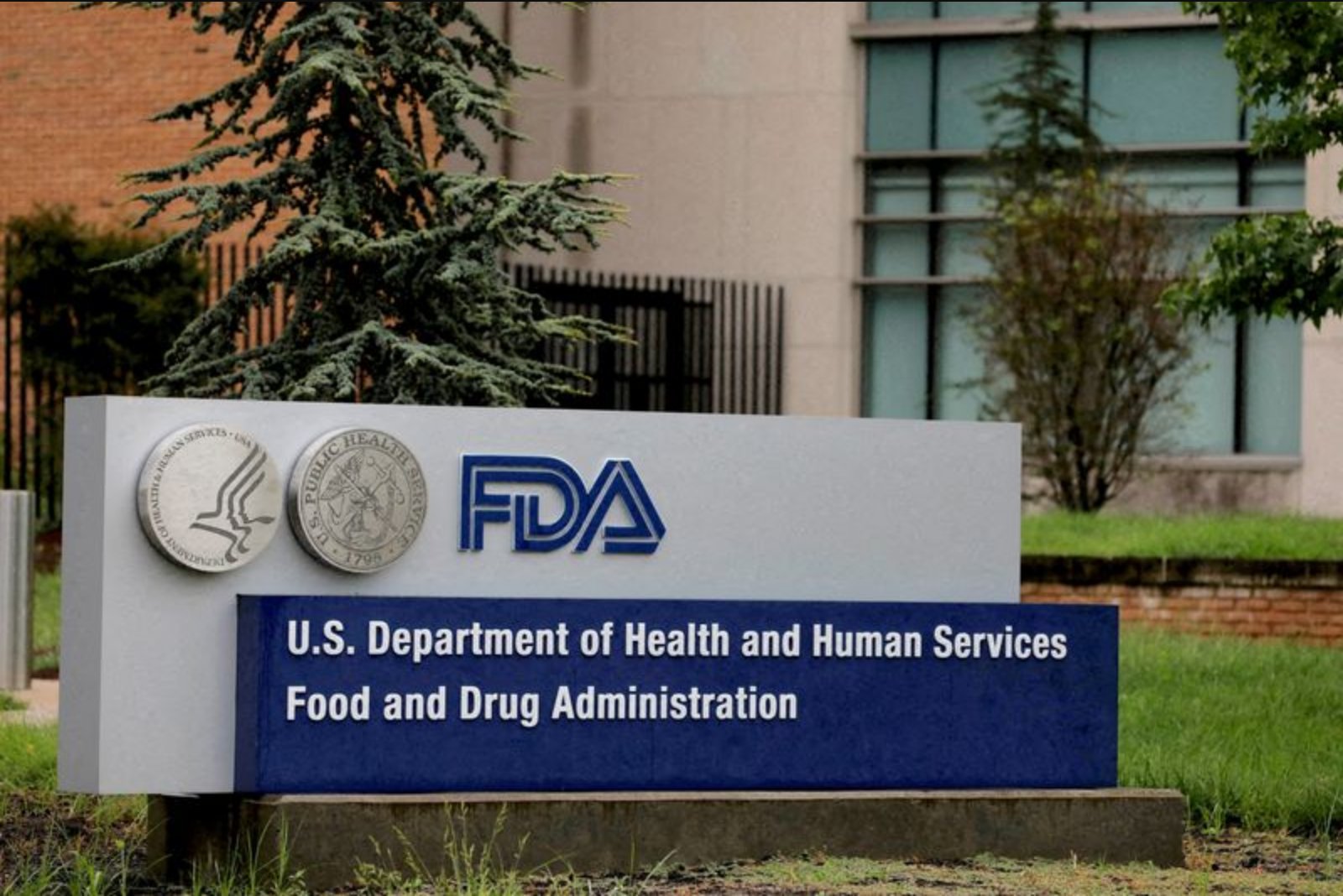
March 3 - The U.S. Food and Drug Administration (FDA) has notified 30 telehealth firms with formal warning letters after concluding those companies made false or misleading claims about compounded forms of widely used GLP-1 weight-loss drugs, the agency said on Tuesday.
According to the FDA, a number of the telehealth providers advertised compounded semaglutide and tirzepatide products on their websites as though those products were the same as the approved GLP-1 therapies. A subset of the letters also cited misleading claims about compounded liraglutide. The agency pointed to instances in which providers applied their own branding to compounded products in ways that obscured the original source, creating the appearance that the telehealth company itself was the manufacturer.
The letters represent a second wave of enforcement communications targeted at marketing practices tied to weight-loss medicines. In September the agency sent warning letters to companies involved in the manufacture or sale of weight-loss drugs, including major brand names and telehealth sellers. The FDA said the current actions are part of a broader push to ensure accurate advertising and to prevent attempts to circumvent the regulatory approval process.
"It’s a new era of enforcement," FDA Commissioner Marty Makary said in a statement included with the letters, cautioning companies against trying to "circumvent FDA’s approval process by mass-marketing compounded drugs." The agency advised that compounded drugs are intended to be customized by a licensed pharmacist or physician to meet the needs of an individual patient by combining, mixing or altering drug ingredients, and that they are not substitutes for approved, mass-marketed prescription medicines.
The FDA specifically named semaglutide as the active ingredient in Novo Nordisk’s Wegovy and Ozempic, tirzepatide as the active ingredient in Eli Lilly’s Zepbound and Mounjaro, and liraglutide as the active ingredient in Novo Nordisk’s Saxenda. The letters give the 30 telehealth firms 15 working days to provide a written response outlining steps they will take to correct the violations identified by the agency.
Hims & Hers has been singled out previously in the agency’s enforcement activity; the company faced FDA scrutiny in February over a $49 compounded weight-loss pill and was warned the agency could take action. That same month Novo Nordisk escalated the matter by filing a legal complaint against Hims & Hers.
Regulatory officials emphasized that these communications are meant to curb misleading marketing and protect the integrity of the FDA approval framework for prescription products. The agency’s instructions to the firms are procedural - companies must respond within the 15 working-day window and detail corrective measures. The scope of further regulatory or enforcement steps will depend on the content and adequacy of those responses.