
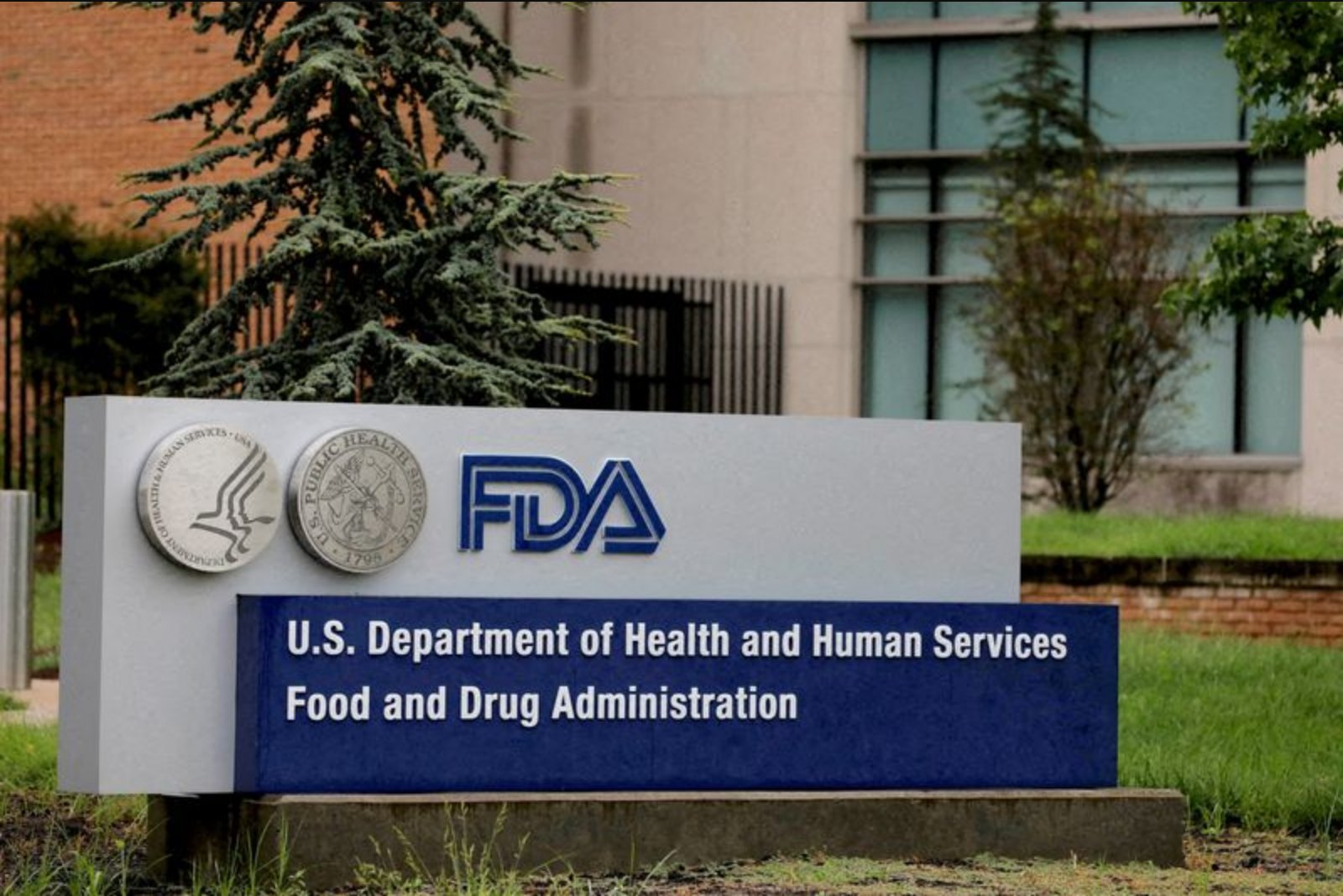
Feb 6 - The U.S. Food and Drug Administration said on Friday it intends to limit the use of GLP-1 ingredients in compounded drugs that have not received FDA approval. The agency cited concerns about product quality, patient safety and potential violations of federal law in connection with compounded copies being marketed by telehealth and compounding pharmacy companies as alternatives to authorized therapies.
The announcement came as shares of online telehealth firm Hims & Hers Health fell nearly 12% in after-hours trading. The company had recently signaled plans to offer compounded copies of Novo Nordisk’s new Wegovy pill at an introductory price of $49 per month - roughly $100 below the brand-name product - a move that drew immediate attention from both regulators and the original drugmaker.
According to the regulator, it is also stepping up enforcement against misleading direct-to-consumer advertising and marketing practices, building on warning letters that were issued in the fall of 2025. The agency emphasized restrictions on promotional claims for non-FDA-approved compounded products, saying in guidance that companies cannot assert such products are generic versions or equivalent to FDA-approved drugs.
The regulator added that "they also cannot state compounded drugs use the same active ingredient as the FDA-approved drugs or that compounded drugs are clinically proven to produce results for the patient."
In a related development, the U.S. Department of Health and Human Services’ General Counsel, Mike Stuart, said he has referred Hims & Hers to the Department of Justice for investigation over potential violations after a review of the applicable facts. The referral signals the escalation of regulatory scrutiny into how compounded copies of prescription drugs are marketed and distributed.
Hims & Hers did not immediately respond to a request for comment. Novo Nordisk subsequently stated it intended to pursue legal action against the telehealth company over the plan to sell compounded versions of its Wegovy product.
This enforcement focus intersects regulatory compliance, drug manufacturers’ intellectual property and the expanding telehealth and compounding pharmacy sectors. Market reaction to the regulatory and legal developments was immediate in the case of the telehealth firm, while broader implications for compounding pharmacies and companies offering substituted therapies remain tied to further agency and legal actions.