
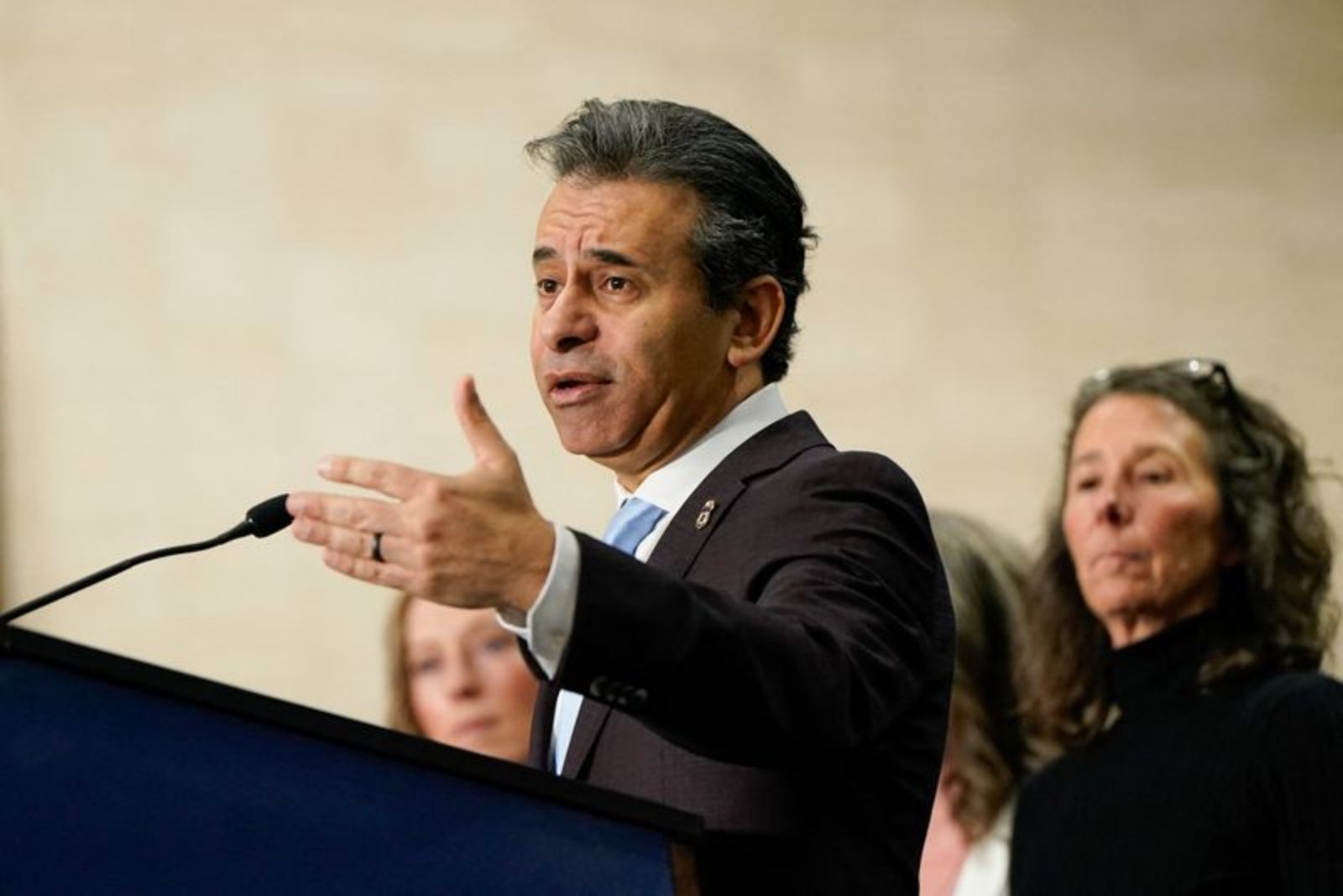
WASHINGTON, Feb 23 - U.S. Food and Drug Administration Commissioner Marty Makary on Monday pushed back on criticism of the agency’s stance toward messenger RNA vaccines, stressing the agency’s support for the platform even as federal funding for some mRNA research has been reallocated.
Speaking at an event where the FDA released a proposed framework intended to speed review and approval of gene therapies for rare diseases, Makary said the agency has a record of approving mRNA products and continues to embrace the technology.
"I think that would be quite a stretch to say we’re not embracing mRNA vaccines. We’ve approved two mRNA vaccines at the beginning of my time," Makary said, referencing recent authorizations. He noted the FDA has approved two mRNA vaccines aimed at respiratory syncytial virus - one developed by Moderna and another from GSK.
Makary added he is eager to see evidence of mRNA approaches helping patients with cancer and other conditions. He also noted ongoing industry efforts combining mRNA technology with immunotherapy, pointing to work by Moderna and Merck on a personalized treatment that pairs mRNA with Merck’s immunotherapy Keytruda for cancer.
At the same event, Makary addressed last year’s decisions across the Department of Health and Human Services that shifted funding away from some mRNA vaccine development activities within the department’s biomedical research unit. He defended the August move to wind down those development activities, saying the reallocation was driven by considerations of where limited taxpayer dollars should be deployed.
Makary recalled the HHS action in May that terminated more than $700 million in funding for Moderna to develop an mRNA vaccine intended to protect against pathogens with pandemic potential, including bird flu. The funding cut occurred amid concerns about outbreaks affecting animals and workers, and followed subsequent departmental decisions to pivot funding priorities.
Responding to suggestions that HHS actions signaled a lack of belief in mRNA technology, Makary said the change in funding priorities was not a reflection of distrust in the science. Rather, he argued, it reflected an assessment that companies that developed mRNA vaccines have the financial resources to support further research themselves.
"There was funding for mRNA technology at HHS. That funding was pivoted to other causes, and I’ll tell you why. It’s not because we don’t believe in mRNA technology. It’s because the companies that made mRNA vaccines made over $50 billion, they can fund their own research. It doesn’t have to be on the backs of American taxpayers," Makary said.
The commissioner contrasted areas he believes remain appropriate targets for government-funded research, naming bespoke conditions and rare diseases as examples of topics that have been underfunded and that may warrant public investment.
The article also notes distinctions in how COVID-era vaccine programs were financed: Moderna used government funding to develop its mRNA COVID shot as part of the pandemic response, while the Pfizer-BioNTech vaccine was self-funded. Makary emphasized the government should prioritize funding where private investment is lacking.
Separately, Makary promoted the FDA’s new gene therapy framework as a means to accelerate availability of treatments for rare conditions, highlighting the agency’s commitment to genome-editing approaches used in gene therapy while maintaining that this does not contradict continued support for mRNA vaccines.
In addition to his comments on funding and approvals, Makary said he would welcome robust clinical data demonstrating broader benefits of mRNA technology, including in oncology and other therapeutic areas.
The public discussion follows several high-profile decisions within HHS about the direction and financing of biomedical research and comes as industry players pursue a range of mRNA-based and gene therapy programs.