
Stock Markets March 10, 2026

Exxon Mobil Moves Non-Essential Staff Out of Middle East Amid Strait of Hormuz Strains

CEO says some operations have been curtailed and personnel reduced as tanker traffic faces threats in a volatile region

By Sofia Navarro XOM
Exxon Mobil Moves Non-Essential Staff Out of Middle East Amid Strait of Hormuz Strains
XOM

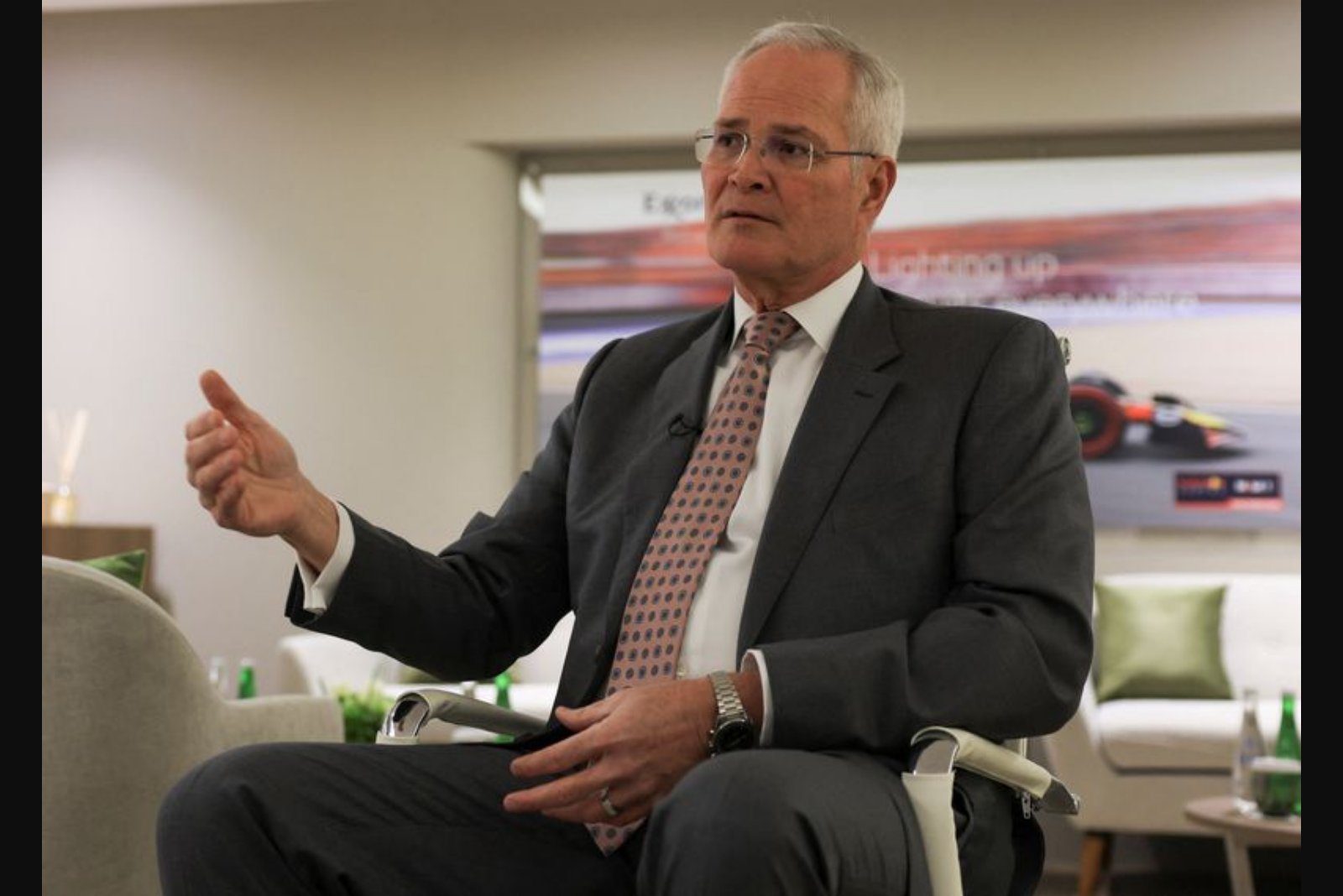
Exxon Mobil has evacuated non-essential personnel from its Middle East operations and trimmed certain activities to manage inventories, CEO Darren Woods said in an interview. The company, a minority partner in projects across the UAE, Qatar and Saudi Arabia, has taken these steps as tanker traffic through the Strait of Hormuz is under pressure amid threats to shipping and heightened regional tensions.

Key Points

  • Exxon Mobil evacuated non-essential staff from Middle East operations to prioritize personnel safety - sectors impacted: oil and energy, corporate operations.
  • Some production and support activities have been scaled back to manage inventory as tanker traffic through the Strait of Hormuz is disrupted - sectors impacted: shipping and global energy supply chains.
  • Exxon is a minority partner in projects in the UAE, Qatar and Saudi Arabia, linking its operational adjustments to regional partner arrangements - sectors impacted: international oil production and joint-venture management.

Exxon Mobil has withdrawn employees not critical to its Middle East operations, the company's chief executive said in an interview on Tuesday, as the ongoing U.S.-Israel conflict with Iran continues to disrupt regional conditions.

CEO Darren Woods said the primary concern for the company was ensuring employee safety. "Our first and highest priority is making sure our people remain safe, and we evacuated folks who weren’t critical or essential to the operations that we were providing support for," he said. Woods added that, where necessary, Exxon has scaled back some operations to better manage inventory levels while tanker movements through the Strait of Hormuz remain challenged.

Exxon holds minority stakes in oil projects located in the United Arab Emirates, Qatar and Saudi Arabia. The company did not provide additional operational detail in the interview beyond the steps taken to reduce on-site personnel and the adjustments made to activity levels in response to shipping constraints.

The Strait of Hormuz, a vital shipping corridor that handles roughly one-fifth of the world’s oil supply, has faced strain as Iran has threatened attacks on tankers transiting the waterway. Those threats have complicated logistics for companies supporting oil production and exports in the region.

On Monday, U.S. President Donald Trump warned that he would escalate the war with Iran if Tehran blocked shipments of oil from the Middle East, while also predicting a rapid resolution to the conflict. The president's comments followed the continued threats against tankers and underline the geopolitical pressures affecting maritime routes and energy flows.

Woods’ remarks underscore Exxon’s immediate priorities of personnel safety and inventory management in an environment where shipping through a key chokepoint has been rendered more precarious. The company’s status as a minority partner in several Gulf projects means its exposure is tied to broader operational decisions taken with partners in the UAE, Qatar and Saudi Arabia.

Exxon did not provide further specifics on timelines for returning personnel or restoring activity levels that have been reduced. The company’s actions, as described by Woods, reflect a cautious operational posture while regional tensions remain unresolved.

Risks

  • Continued threats to tankers transiting the Strait of Hormuz could further disrupt shipping and oil exports, affecting global energy markets - sectors at risk: energy and maritime transport.
  • Escalation of hostilities in the region could prolong operational reductions or personnel evacuations, creating uncertainty for companies with Gulf exposure - sectors at risk: oil production and corporate operations.
  • Limited information on timelines for resuming normal operations increases uncertainty for inventory planning and supply expectations - sectors at risk: energy trading and supply chain logistics.

More from Stock Markets

Tel Aviv Stocks Slip as Energy, Real Estate and Tech Weigh on TA 35 Mar 10, 2026 Oslo market closes lower as OBX slips 0.58% amid sector losses Mar 10, 2026 NVIDIA and Thinking Machines Forge Gigawatt-Scale AI Infrastructure Alliance Mar 10, 2026 Athens bourse rallies as banking, construction and travel stocks lead gains Mar 10, 2026 Court Orders Temporary Halt to Perplexity’s Comet from Making Amazon Purchases Mar 10, 2026