
Overview
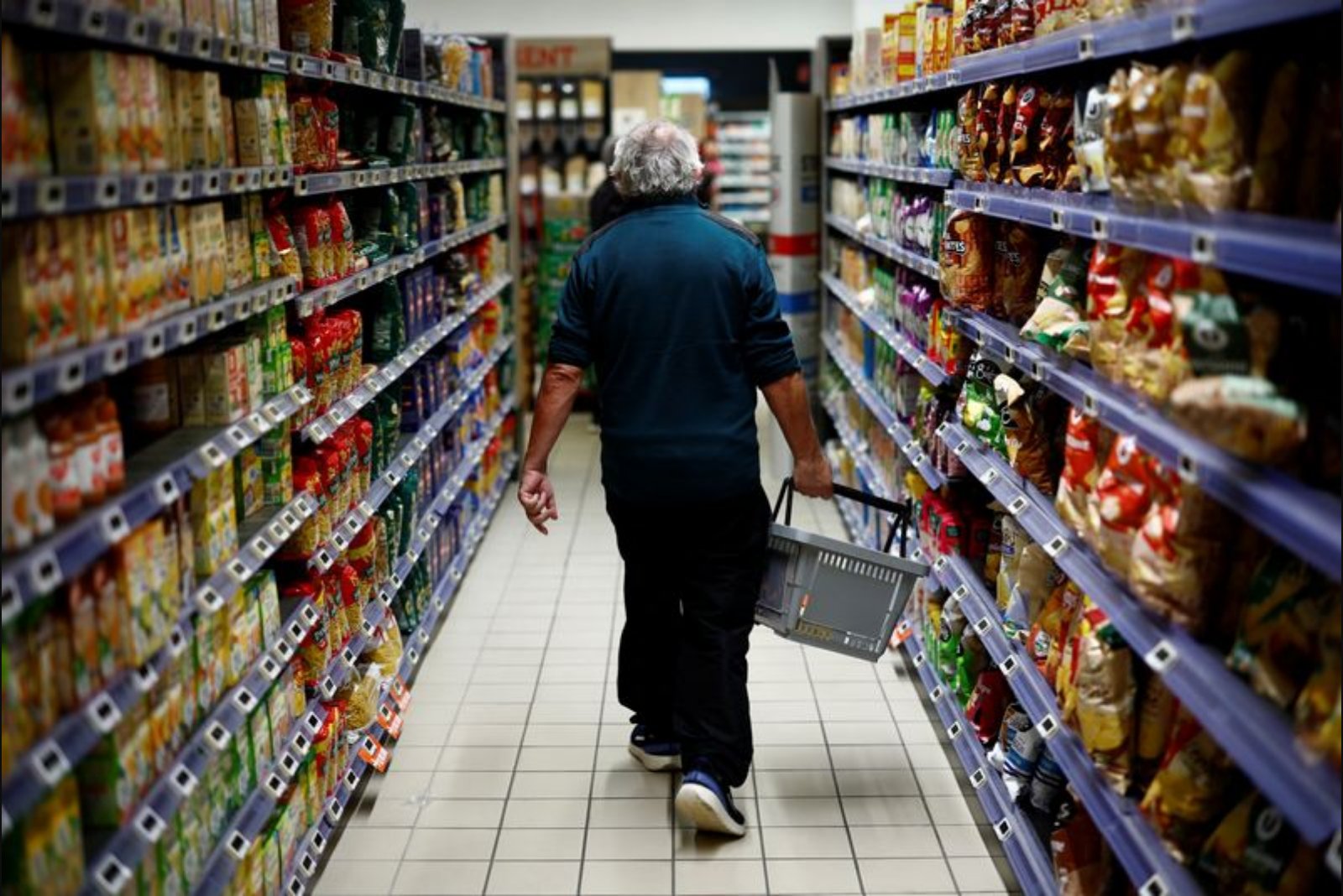
European retailers are confronting a fresh bout of cost pressure after energy prices climbed following the U.S.-Israeli war on Iran. Markets reacted swiftly, with shares of major chains from Inditex to Marks & Spencer falling as investors anticipated fallout from higher petrol and gas costs. The move compounds an already fragile picture for retail, which has not fully recovered from the inflation cycle that followed the spike in gas prices after Russia's invasion of Ukraine.
Sector strain and consumer dynamics
Food manufacturers, supermarkets and clothing retailers raised their prices considerably during the last energy price shock in 2022. The current situation looks potentially more challenging because the euro zone and UK economies have little or no growth, leaving consumers with less ability to absorb new price increases. Years of elevated inflation have reduced household spending power, meaning households may react more strongly to any additional upward pressure on prices.
"If prices go up now, consumers might react more strongly given that demand is already in a fragile state," said Christian Eufinger, a finance professor at IESE in Barcelona who has studied how energy price shocks translate into consumer prices. He contrasted today’s weaker demand with the higher demand environment that prevailed when the Ukraine crisis first hit in early 2022, when economies were emerging from pandemic restrictions.
Immediate cost channels
The most direct channel through which the current energy shock feeds into retail margins is transport. Road haulage typically represents between 5% and 10% of a retailer's operating expenses, according to Francesco Gangemi of consultancy Simon-Kucher, so higher fuel prices quickly raise distribution costs. On top of transport, energy-intensive functions inside stores - refrigeration, air conditioning, heating and lighting - raise operating expenses for supermarkets and shopping centers.
Higher oil prices have also pushed fertiliser costs up, which directly affects food producers and can feed through to prices at the grocery level. "A cost-driven inflationary spiral appears almost inevitable, starting with rising transport costs that affect the entire supply chain, from farm to table," said Massimiliano Giansanti, president of the Italian farmers' group Confagricoltura.
Vulnerable retail categories
Analysts and consultants point to clothing retailers as among the most vulnerable. Fashion is often the first discretionary category consumers trim when confronted with rising bills for food, energy and transport. Francesco Gangemi noted that garments and other non-essential items are typically cut back before spending on staples.
RBC analysts have already adjusted forecasts for some retailers. They trimmed their profit outlook for Marks & Spencer, forecasting that spikes in oil and gas prices will raise UK households' food, transport and energy costs later in the year, weighing on consumer purchasing power and on retailers' margins.
Calls for policy support
Industry bodies in Britain urged government action to blunt the impact on households. Andrew Opie, director of food and sustainability at the British Retail Consortium, said it is now crucial that government keeps other inflationary pressures within its control to help protect households from compounding cost rises.
Context limits and scope
The current account of events reflects the sectors and channels explicitly discussed by market participants and industry representatives. It does not attempt to attribute wider macroeconomic outcomes beyond those described by the quoted experts and analysts.