
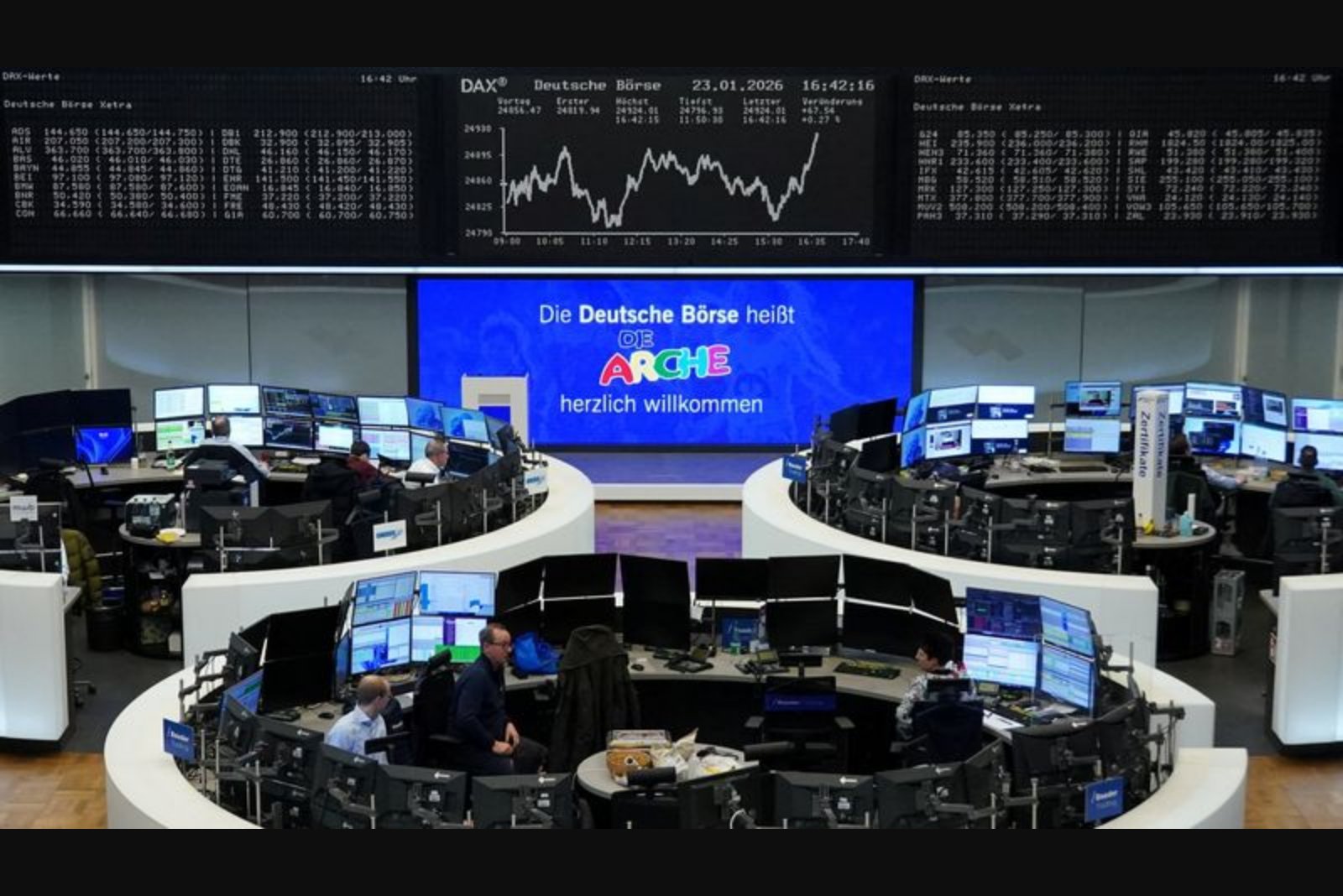
European shares slipped on Thursday as a widening conflict in the Middle East soured investor sentiment and a wave of patchy corporate earnings reinforced caution across the market.
The pan-European STOXX 600 was down 0.3% at 610.72 points as of 0810 GMT. The benchmark had rallied the previous day, posting its strongest session in more than three months and recouping some of the earlier week losses, but gains proved short-lived.
Sectors were uneven, with miners registering the largest decline, falling 1.5% as commodity-linked names underperformed. Market participants pointed to geopolitical risk as a key driver of the risk-off tone.
Geopolitical developments intensified the mood - the U.S.-Israel war with Iran entered its sixth day with no quick resolution visible, Reuters reported, after Tehran launched a fresh barrage of missile strikes at Israel earlier in the day and the U.S. Senate blocked a motion aimed at halting the U.S air campaign. The conflict backdrop has added an extra layer of uncertainty for investors already weighing corporate results and economic data.
Investors were also set to monitor a speech later in the day from European Central Bank President Christine Lagarde for additional signals on the policy outlook. Economic releases on the schedule included euro zone January retail sales and last month’s construction PMI, data points market participants said could influence positioning ahead of next moves by policymakers.
On the company front, several individual stocks saw notable moves. Shares of payments group Nexi were put on a trading halt after plunging 11.3% to a record low following the publication of its full-year results. In logistics, DHL fell 5.4% after the German group reported a 1.3% decline in fourth-quarter operating profit, a result the company said was weighed down by its freight forwarding business.
Overall, trading reflected a combination of geopolitical nerves and uneven corporate performance, leaving indexes only marginally lower but with pockets of sharp weakness among names tied to trade flows and commodity exposure.