
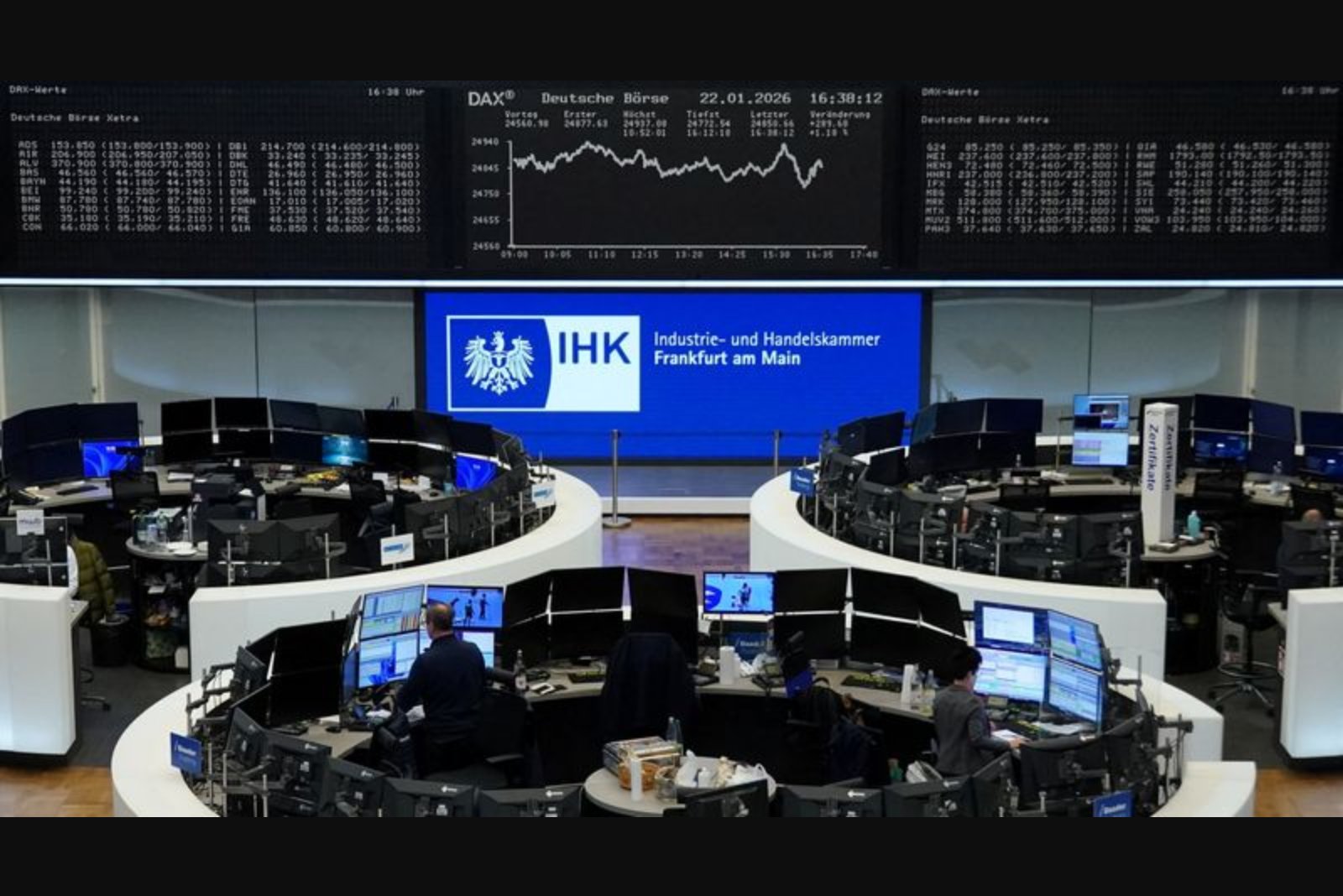
European equity markets traded with little net direction on Tuesday, reflecting a risk-aware tone across global markets as important diplomatic engagements were underway. The STOXX Europe 600 index - the pan-European benchmark - was unchanged at 819.22 points as of 0819 GMT, with the majority of sector groups showing gains.
Geopolitical developments dominated market attention. Indirect talks between the United States and Iran were scheduled in Geneva later in the day, aimed at resolving a nuclear dispute. At the same time, separate U.S.-mediated peace discussions between Ukraine and Russia were planned, with the negotiations expected to center on territorial disagreements. Against this backdrop of diplomatic activity, defence sector equities moved lower, slipping 1.2% on the session.
Market participants have been parsing these diplomatic efforts carefully. Defence stocks can decline when tensions appear to be easing, as investors may infer reduced near-term demand for military equipment and services. That dynamic helps explain the sector's pullback amid the flurry of negotiations.
Investor sentiment more broadly has been showing signs of stabilization after several weeks of elevated volatility in global markets. Some of that earlier volatility had been driven by concerns that applications of artificial intelligence could pressure margins in traditional industries. According to market commentary cited in trading flows, those concerns were beginning to moderate, contributing to a steadier tone across equities.
On the corporate front, moves in individual names reflected earnings and commodity price dynamics. InterContinental Hotels Group added 1.1% after the Holiday Inn owner reported fourth-quarter global revenue per available room that exceeded market expectations. Meanwhile, miner Antofagasta disclosed a 52% increase in annual core profit, yet its shares fell 3.2% as softer copper prices weighed on investor appetite.
The interplay of diplomatic developments, technology-related margin concerns and company-level earnings left markets in a cautious equilibrium on Tuesday. With talks in Geneva and further diplomatic engagement elsewhere, market participants appeared to be positioning for developments that could shift demand expectations in specific sectors, while awaiting clearer signals about the near-term economic implications of AI deployment in traditional businesses.
Key points
- Pan-European index steadied at 819.22 points as of 0819 GMT, with most sectors trading higher.
- Defence stocks declined 1.2% amid ongoing diplomatic talks between the U.S. and Iran and planned U.S.-mediated talks between Ukraine and Russia.
- Earnings moves: InterContinental Hotels Group rose 1.1% after stronger-than-expected fourth-quarter revenue per available room; Antofagasta posted a 52% jump in annual core profit but its shares fell 3.2% on softer copper prices.
Risks and uncertainties
- Diplomatic outcomes - The results of indirect U.S.-Iran talks in Geneva and U.S.-mediated Ukraine-Russia discussions could change investor risk sentiment, affecting sectors such as defence and commodities.
- AI-related margin risk - Continued concern about artificial intelligence applications pressuring margins in traditional industries could influence earnings expectations across multiple sectors.