
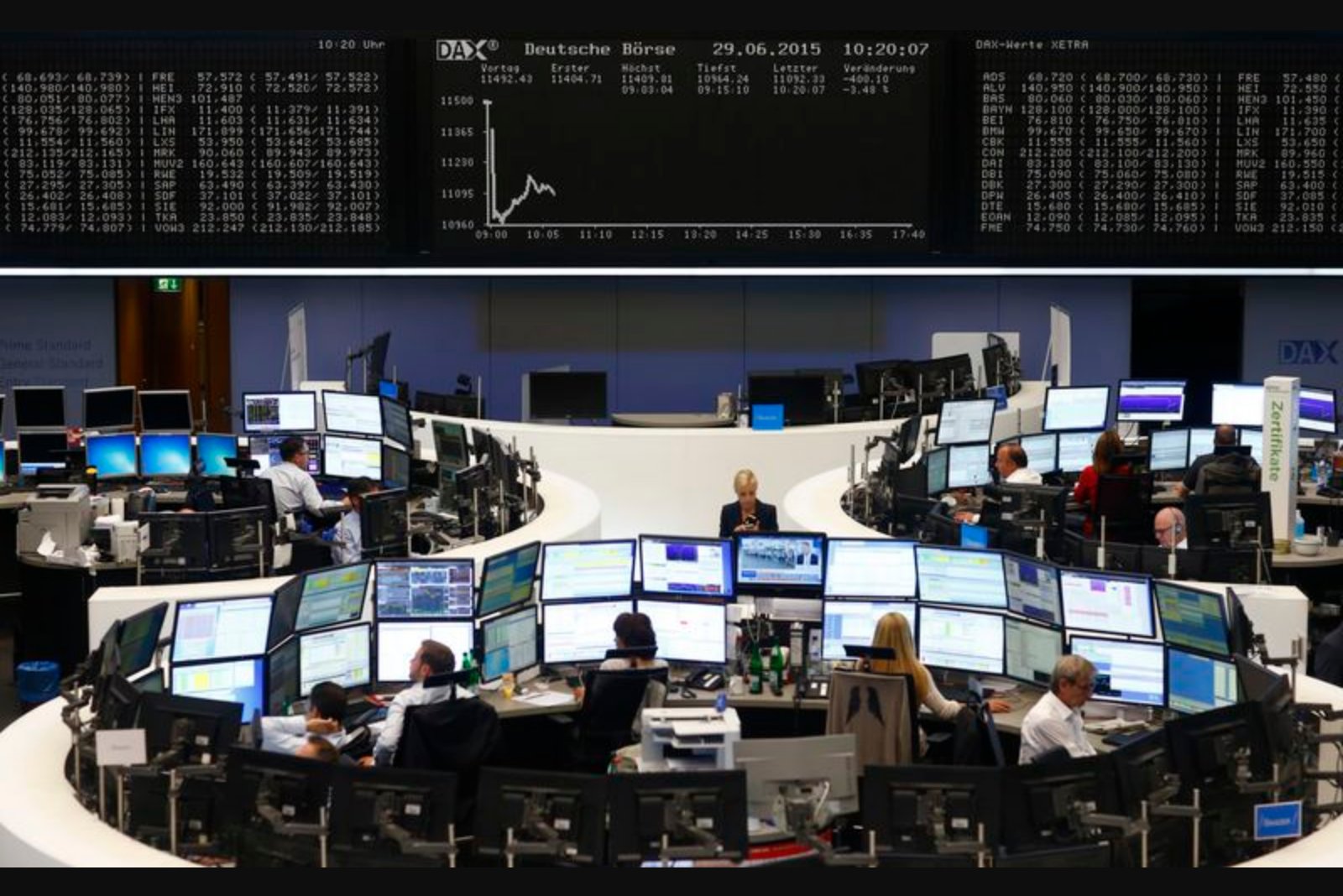
European equities registered modest gains on Wednesday as traders took a breather after a recent global downturn that left the benchmark at its lowest levels in over a month. By 0810 GMT the pan-European STOXX 600 had risen 0.6% to 607.62 points, trimming losses after a near 5% decline from last Friday's record high.
Market breadth was supported by technology and healthcare stocks, which provided the largest positive contribution to the index. Travel and luxury stocks, which had led the prior sell-off, recovered some ground and rose by more than 1% each.
Corporate-specific moves added to the day’s volatility. U.K. homebuilder Vistry plunged 22% after announcing that Chief Executive and Chair Greg Fitzgerald intends to step down and that the two roles will be separated following his retirement. Sportswear giant Adidas fell 6% after releasing results.
Geopolitical developments remained central to investor concerns. Israeli and U.S. forces continued strikes across Iran that began on Saturday, and Tehran has launched retaliatory attacks targeting U.S. allies in the Gulf region. These reprisals have struck a range of establishments, including oil refineries and U.S. embassies, according to reports.
Oil markets reacted to the heightened regional tensions. Brent crude rose nearly 2% intraday, although prices later eased from their peaks after U.S. President Donald Trump ordered an insurance guarantee for Gulf shipping and said the U.S. Navy could escort oil tankers through the Strait of Hormuz. Despite the intraday move in crude, the oil sector on European bourses fell for a second consecutive session, declining 0.6%.
On the data front, the euro zone purchasing managers index for February is scheduled for release later in the day, a reading investors will watch for clues on economic momentum.
Overall, European markets showed tentative stability after recent turbulence, with sector-specific developments and geopolitical events continuing to shape intraday flows.