
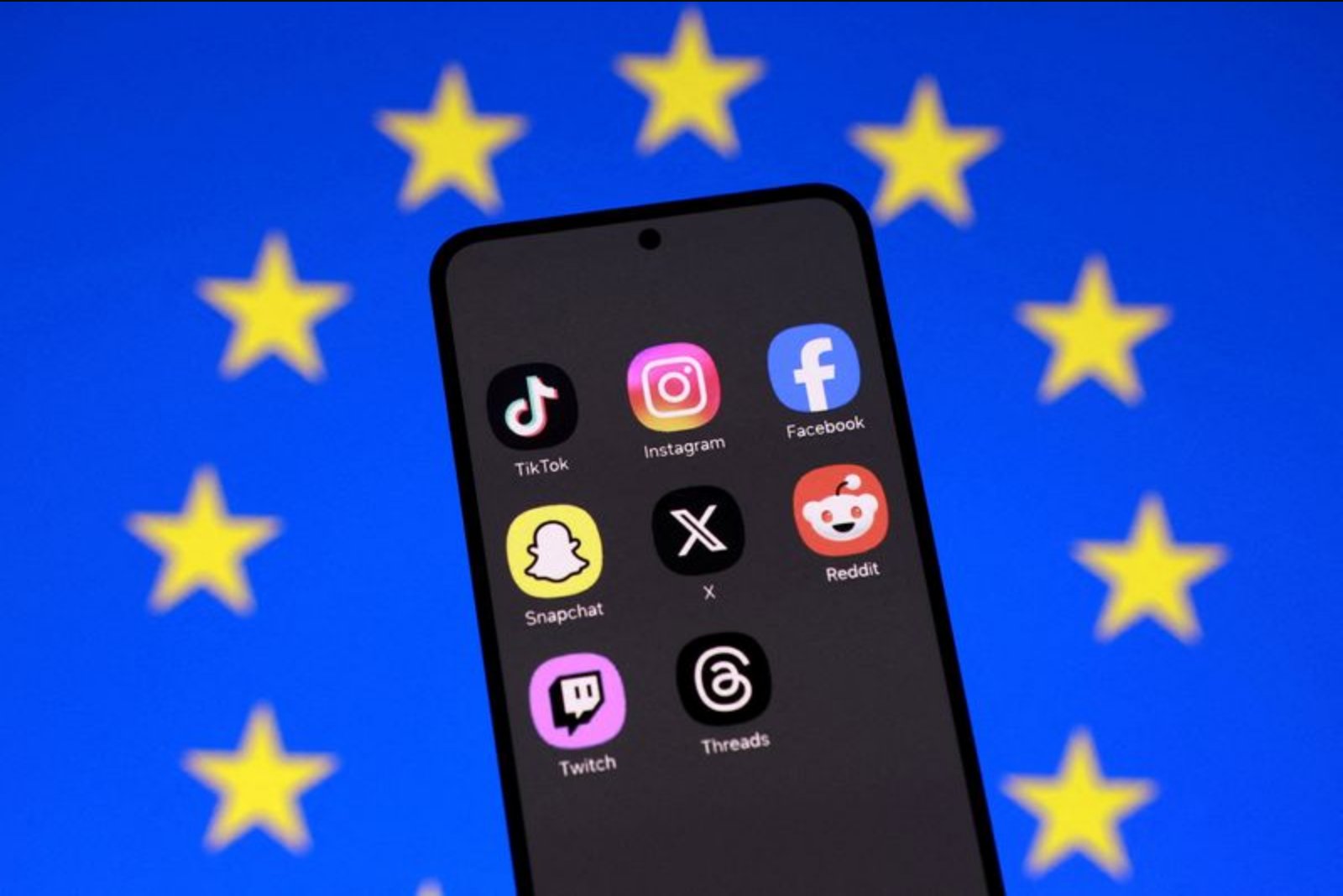
European capitals have begun to take independent, and in some cases urgent, measures to curb perceived harms from major social media services, focusing on child safety, data processing and the influence of algorithmic tools - steps that risk provoking friction with the United States, home to many of the targeted platforms.
Spain has directed prosecutors to investigate Facebook owner Meta, Elon Musk's X and ByteDance's TikTok over allegations that the platforms have circulated AI-generated sexual images of children. That action follows a similar move in Britain. Separately, Ireland has opened a formal inquiry into X's AI chatbot Grok, examining its handling of personal data and its role in producing sexualized images deemed harmful.
These national moves are part of a widening set of initiatives across Europe. In recent weeks France, Spain, Greece, Denmark, Slovenia and the Czech Republic have each advanced proposals echoing Australia’s earlier step in seeking social media restrictions for adolescents - measures driven by rising political concern about addiction, online abuse and deteriorating school performance. Germany and Britain are also reported to be weighing comparable restrictions.
Officials and analysts say the flurry of country-level measures reflects both political urgency and a lack of faith in the European Union's ability to act quickly or decisively. Governments are therefore choosing to act alone despite facing many of the same legal, diplomatic and enforcement challenges that confront the EU as a whole.
Regulatory backdrop and enforcement dilemma
The EU’s Digital Services Act, effective in 2024, gives regulators the authority to fine major online platforms up to 6% of global annual turnover for failure to control illegal or harmful content. Yet enforcing those penalties carries geopolitical risks. U.S. President Donald Trump has repeatedly warned that tariffs and sanctions could follow if EU countries pursue new tech taxes or apply the DSA in ways that disproportionately affect American firms.
The European Commission has sought to counter perceptions that it is lax toward U.S.-based technology companies, noting that it has opened several investigations, including inquiries related to X and the deployment of Grok. In a public statement, the Commission said measures like the DSA are intended to shape Europe’s digital future while supporting, funding and regulating new technologies with a view to strengthening democracy.
The rhetoric around the issue has at times been blunt. French President Emmanuel Macron last year described U.S. opposition to European regulation as a "geopolitical battle". The Trump administration issued a warning in December that Europe faced "civilizational erasure" and called for U.S. support for "resistance to Europe’s current trajectory". In Spain, Consumer Rights Minister Pablo Bustinduy told Le Grand Continent that Madrid’s actions aim to "break free from digital dependence on the United States", arguing that some platforms have been exploited to "destabilise European democracies from within".
Independent national initiatives and stated triggers
Changes to DSA guidance on July 14 that allowed national age restriction laws prompted Denmark to proceed independently, the country's digitalisation ministry told Reuters. Spain had already been considering measures for months, and officials said the decisive factor that led to proposing a ban for under-16s - along with a law to hold social media chief executives accountable for hate speech - was Grok’s generation of non-consensual sexual images of minors, according to Youth and Children Minister Sira Rego.
French President Macron has identified another catalyst: the fatal stabbing of a school aide by a 14-year-old in June, an event he said hardened his resolve to pursue either an EU-wide ban on adolescent use of social media or unilateral national action if necessary.
Greek Prime Minister Kyriakos Mitsotakis cited Jonathan Haidt’s book "The Anxious Generation" - which warns that smartphones and social media are reshaping children’s cognitive development - saying the reading was "an eye-opening experience" and adding, "We are running the biggest unchecked experiment with our children’s brains ever."
Commercial and market context
The legal and political pressure on platforms such as Meta and X comes against a backdrop of growing scrutiny of how AI-powered tools are deployed by social networks, how personal data are processed, and how platforms moderate content and protect minors. Actions by national governments and potential penalties under the DSA could have implications for the technology and communications sectors, though enforcement paths are contested and carry diplomatic risk.
Investor-focused product mention in source material
One commercial service referenced in the material evaluated Meta alongside many other companies monthly using more than 100 financial metrics, applying AI to identify stocks with compelling risk-reward profiles. The notice said the AI has identified past winners such as Super Micro Computer with a +185% return and AppLovin with a +157% return, and suggested the tool can indicate whether Meta appears in its strategies or whether other opportunities exist in the same sector.
What this means going forward
European countries appear prepared to press forward with national enforcement and legislative initiatives aimed at social media companies, focusing on child safety and platform accountability. Those steps could increase geopolitical strain with the United States while testing the limits of the DSA’s mechanisms and the political will in Brussels to coordinate a continent-wide approach.
Reporting emphasizes regulatory and policy developments described above and does not introduce additional facts or speculation beyond the cited statements and actions.