
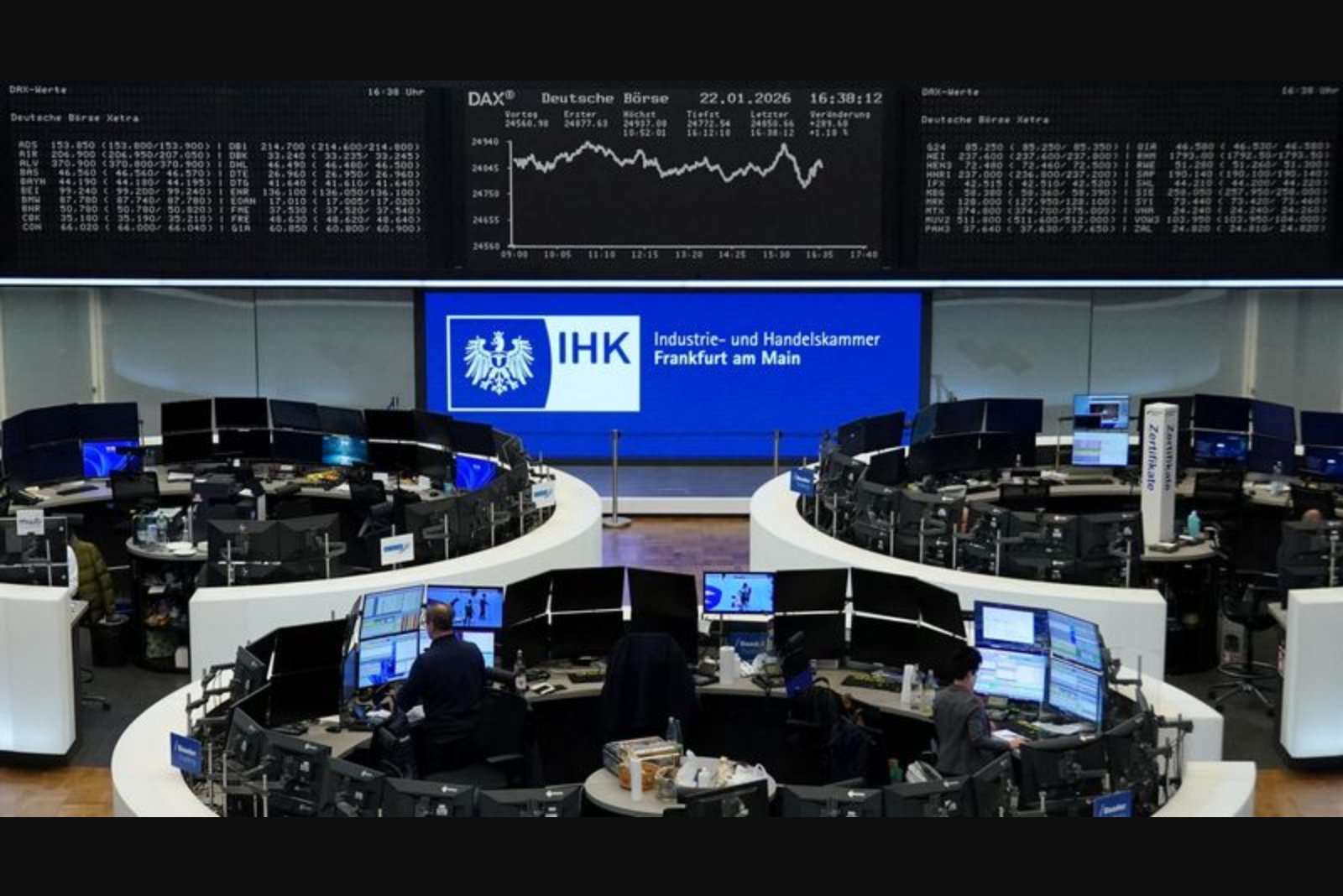
Summary: European shares moved slightly lower on Thursday after a series of uneven corporate earnings and renewed caution linked to heightened U.S.-Iran military activity in the Middle East. The market pullback came despite signs of progress in nuclear talks in Geneva and a modest uptick in oil prices that supported energy names.
The pan-European index was down 0.1% at 628.24 points by 0813 GMT, stepping back from a record closing level posted on Wednesday. Investors were jittery after an increase in military activity by the United States and Iran in the oil-producing region, even as negotiations on Tehran's nuclear programme in Geneva showed indications of movement.
European energy stocks registered small gains, tracking roughly a 1% rise in crude oil prices. That support for the sector contrasted with weakness elsewhere in the market as company-specific results dominated trading.
Airbus was among the largest individual decliners after the aircraft maker reduced its main jet production target. Shares of the world's largest planemaker dropped 5.4% following the announcement, weighing on the broader industrials and aerospace-related segments.
Nestle posted fourth-quarter sales that exceeded expectations and disclosed plans to sell its ice cream business. The consumer goods group, known for brands such as Maggi and Nescafe, saw its shares climb 3.5% on the news.
Mining names underperformed. Rio Tinto, the world's biggest iron ore producer, reported flat annual earnings and fell 3.8% after results missed consensus, a shortfall attributed to weaker iron ore prices. The broader mining index tumbled 2.3% and led sector declines across European markets.
Is NESN a bargain right now? One way investors may evaluate the company is with a Fair Value calculator. The tool uses a mix of 17 industry valuation models to estimate value for NESN and other stocks, offering a bottom-line figure for potential undervalued opportunities.
Overall, market participants balanced the prospect of progress in diplomatic talks with an uptick in geopolitical tensions, while company earnings provided a clear driver of sector-specific moves. Energy's modest advance on firmer crude was insufficient to offset weakness in mining and aerospace, leaving the pan-European benchmark slightly lower.
Market context: The market reaction combined geopolitical caution with the immediate impact of quarterly reports, producing a narrow net decline in European equities. Energy benefited from commodity strength, consumer staples drew support from positive sales news, and materials struggled on subdued commodity pricing.