
European equities opened in negative territory on Thursday, pressured by a renewed rally in crude prices that accompanied continued interruptions to shipping linked to the Iran conflict.
At 04:04 ET (08:04 GMT), the pan-European Stoxx 600 was down 0.4%. Germany's Dax had fallen 0.2%, France's CAC 40 was off 0.5%, and the United Kingdom's FTSE 100 had lost 0.5%.
Oil futures jumped again, briefly moving back above $100 a barrel, extending a period of pronounced volatility in the crude market. That rise came despite efforts by the International Energy Agency to deploy its largest-ever release of strategic oil reserves intended to ease price swings.
U.S. authorities also said they would tap their strategic petroleum reserves, though analysts cited by market commentary cautioned that such releases may offer only temporary relief. The market reaction underscored that a durable easing of supply concerns is likely to require the reopening of tanker routes through the Strait of Hormuz.
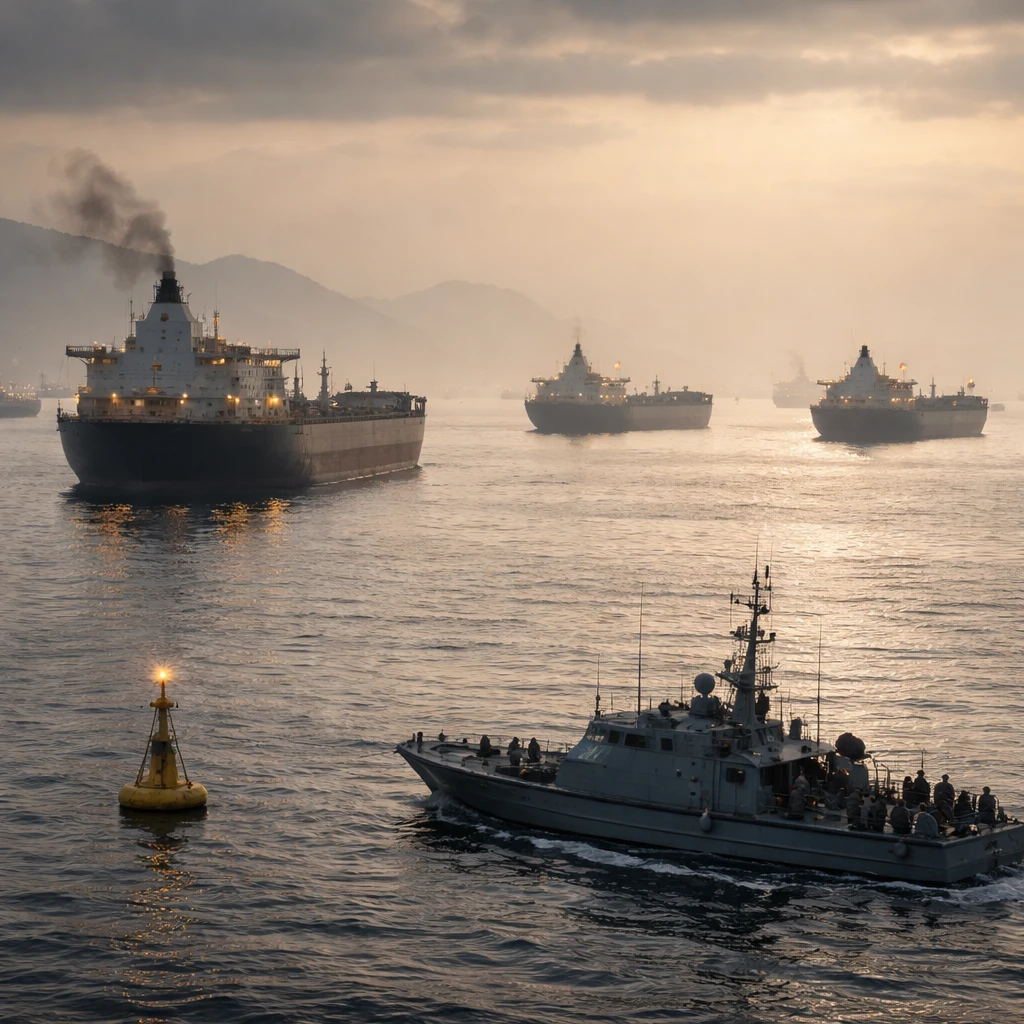
The narrow waterway south of Iran handles roughly a fifth of the world’s oil supply, but sailings have largely halted as Tehran has threatened to attack most vessels attempting to transit the strait. Reports have indicated Iran may have laid naval mines, and the U.S. Navy has not committed to escorting ships, citing safety concerns.
Traffic through the strait has effectively come to a standstill, cutting flows of crude and contributing to higher oil prices and renewed concerns about inflationary pressure worldwide. Europe and Asia, identified as significant importers of the oil and gas that move through the strait, are thus particularly exposed to the disruption. The tensions stem from what has been described in market reporting as a more than week-old U.S. and Israeli assault on Iran.
By 04:05 ET, the Brent futures contract - the global benchmark - had risen 4.3% to $95.92 a barrel, while U.S. West Texas Intermediate added 3.8% to $90.54 per barrel.
Markets will be watching whether strategic reserve releases can stabilise flows or if continued security risks in the Persian Gulf keep oil elevated and weigh further on risk assets, particularly in regions dependent on supplies through the strait.