
European natural gas benchmarks surged 28% and oil prices rose about 6% on Thursday after Iran launched attacks on energy infrastructure across the Gulf in apparent retaliation for strikes on its gas installations. The actions represented the most significant escalation in nearly three weeks of hostilities, and caused damage to key processing and refining sites from Qatar to Kuwait.
Iranian aerial attacks inflicted heavy damage on Ras Laffan, Qatar’s core LNG processing hub, struck at least one refinery in Saudi Arabia and sparked fires at two refineries in Kuwait. Authorities in the United Arab Emirates also reported shutting gas facilities after intercepting incoming missiles. In financial markets, Brent crude climbed to above $114 a barrel after earlier touching $119, and Dutch benchmark gas surged to 74 euros ($84.97) per megawatt hour - its highest level since January 2023. Reportedly, European gas prices were roughly double the levels seen in late February before the United States and Israel began military operations involving Iran.
"This latest escalation feels like a turning point for markets because the conflict is no longer just about military headlines or Strait of Hormuz closure," said Charu Chanana, chief investment strategist at Saxo in Singapore. "It is now hitting the plumbing of the global energy system. What is unsettling markets now is the growing stagflation risk," she added.
European and international response
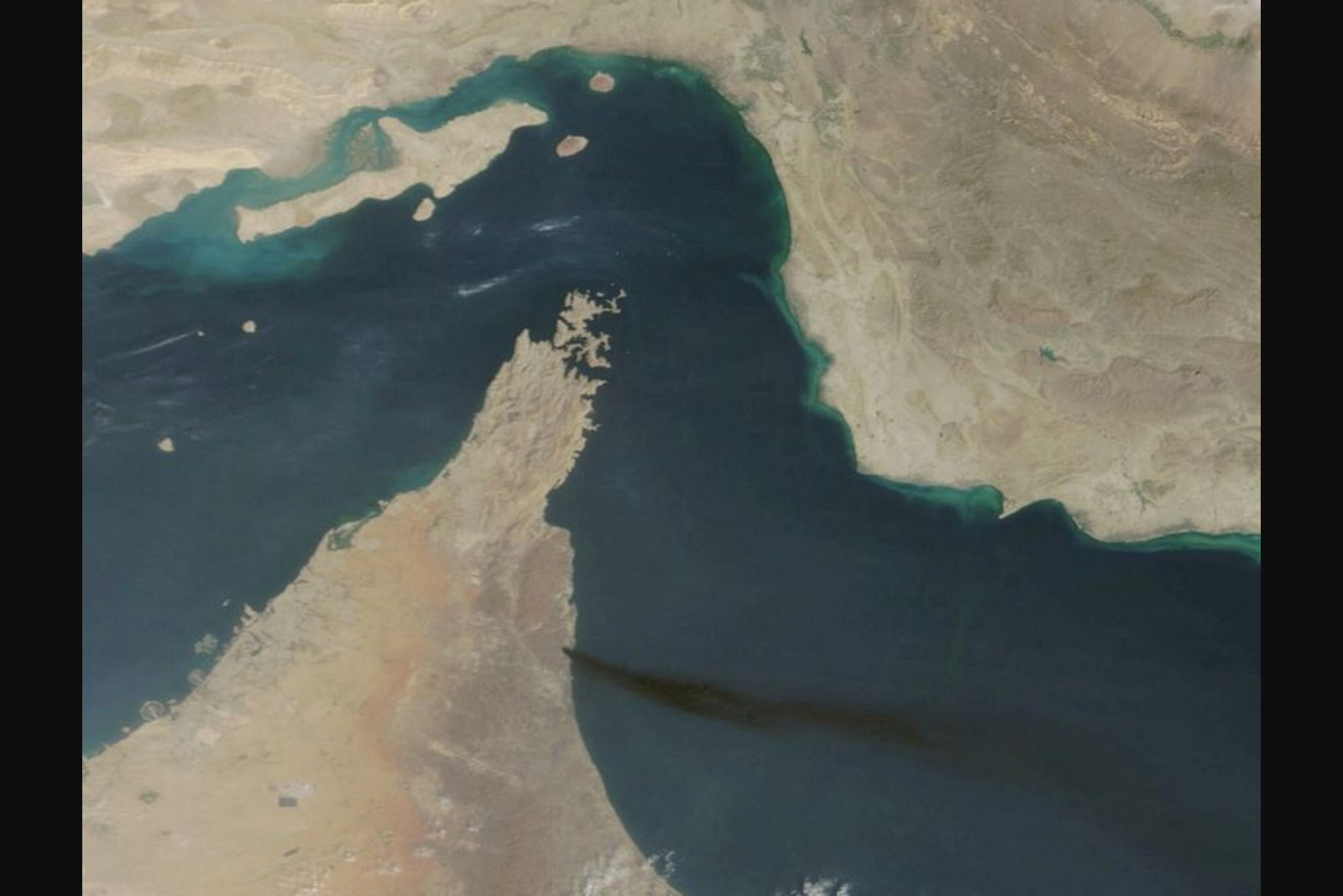
European leaders convened to consider rapid measures to blunt the immediate price shock produced by the tit-for-tat attacks and by disruptions to sea lanes such as the Strait of Hormuz - through which roughly 20% of global oil and liquefied natural gas normally transits. Yet some officials expressed skepticism that a 27-member bloc with widely differing energy mixes and national taxation could realistically neutralize a sudden spike in energy costs.
Analysts pointed to the significance of the targets struck in recent hours. Rob McLeod, head of energy price risk solutions at Hartree Partners, described the assaults on South Pars and Ras Laffan as a sharp escalation in both the conflict and its potential consequences for energy markets, saying that major infrastructure damage could take months or years - not weeks - to repair and return to full operation.
Damage to key facilities
South Pars is the Iranian sector of a shared gas deposit that ranks as the world’s largest, a field Iran shares with neighboring Qatar across the Gulf. Qatar’s foreign ministry condemned an attack that struck Iran’s South Pars facilities as "dangerous and irresponsible" and simultaneously criticized Iran for what it called "a flagrant breach" of international law, announcing the expulsion of two senior Iranian diplomats.
QatarEnergy, the state oil company and the world’s second-largest LNG exporter, said Iranian missile strikes on Ras Laffan caused "extensive damage". Its emergency response teams were dispatched immediately to contain fires, and by early Thursday the Interior Ministry of Qatar reported that all fires at Ras Laffan had been brought under control with no injuries reported. The Ras Laffan complex, located 80 km north of Doha, is a major energy hub that processes condensate into refined products including aviation fuel and hosts a number of international companies including Shell, which said it is assessing any potential impact.
Qatar produces 77 million metric tons of LNG annually. The Laffan facilities play a central role in that output, and observers warned that damage there could have sustained effects on global gas availability. Saul Kavonic, head of research at Australia’s MST Marquee, said attacks on Ras Laffan "could cause a lasting global gas shortage, but this won’t pressure the Trump administration because the U.S. benefits economically from high global gas prices."
Hits on Saudi, Kuwaiti and Emirati sites
In Saudi Arabia, the Defence Ministry reported that a drone had fallen on the SAMREF refinery - a facility operated as a joint venture between state and international partners - and said damage assessments were underway. The ministry also said it had intercepted a ballistic missile launched toward Yanbu, the Red Sea port city that currently serves as Saudi Arabia’s only outlet for crude exports and where the refinery is located. Oil loadings were briefly halted at Yanbu, two sources said.
Kuwait’s state news agency reported that one of the operational units at Kuwait Petroleum Corporation’s Mina al-Ahmadi and Mina Abdullah refineries was targeted by drones, leading to fires at both sites.
In the UAE, authorities said falling debris from intercepted missiles caused incidents at the Habshan gas facilities and at the Bab oil field. The Abu Dhabi Media Office said the Habshan gas facilities were shut down as a precaution and that no injuries were reported. The Habshan complex - operated by state-owned Abu Dhabi National Oil Company (ADNOC) - comprises five plants with a combined processing capacity of 6.1 billion standard cubic feet per day, according to ADNOC.
Context of warnings and statements
The Iranian strikes followed hours after Tehran had issued evacuation warnings for several oil facilities across Saudi Arabia, the UAE and Qatar, citing prior strikes on its own energy infrastructure at South Pars and Asaluyeh. Earlier, U.S. President Donald Trump posted a warning to Iran on social media, urging Tehran not to retaliate again against Qatari LNG facilities and threatening to "massively blow up the entirety of the South Pars Gas Field" if it did so. He also said Israel had attacked South Pars without informing Qatar or the United States.
Market and supply considerations
Market reactions to the attacks and to potential further disruption in the Gulf highlight the vulnerability of global energy systems when key processing and export sites are targeted. Analysts and officials are watching whether damage to major facilities can be repaired quickly or whether prolonged outages will follow, a determination that would have immediate implications for energy flows, pricing and the near-term outlook for inflation in energy-consuming economies.
For now, emergency responses continue at multiple sites, and operators and governments are assessing damage and containment needs. The immediate priority in impacted countries has been fire containment and assessment of physical damage, alongside steps to halt or reroute crude loadings where port access has been affected.
Summary of known impacts
- European gas benchmarks up 28% and Dutch TTF at 74 euros per megawatt hour, the highest since January 2023.
- Brent crude rose above $114 a barrel after earlier reaching $119.
- Ras Laffan in Qatar sustained "extensive damage" and fires that were later brought under control with no reported injuries.
- Refineries in Saudi Arabia and Kuwait were struck or targeted, with fires reported at Mina al-Ahmadi and Mina Abdullah in Kuwait and an incident at the SAMREF refinery in Saudi Arabia.
- UAE gas facilities at Habshan were shut down after debris-related incidents; Habshan has a combined capacity of 6.1 billion standard cubic feet per day across five plants.
Given the breadth of the damage reported across multiple countries and across both gas processing and refining installations, authorities and energy companies said they face an extended period of assessment before any timelines for restoration can be confirmed.