
Stock Markets February 24, 2026

Eli Lilly Shares Slide as Novo Nordisk Plans Large U.S. Price Cuts for GLP-1 Drugs

Reported reductions in list prices for Ozempic, Wegovy and oral formulations prompt market reaction and heighten pricing competition

By Derek Hwang LLY
Eli Lilly Shares Slide as Novo Nordisk Plans Large U.S. Price Cuts for GLP-1 Drugs
LLY

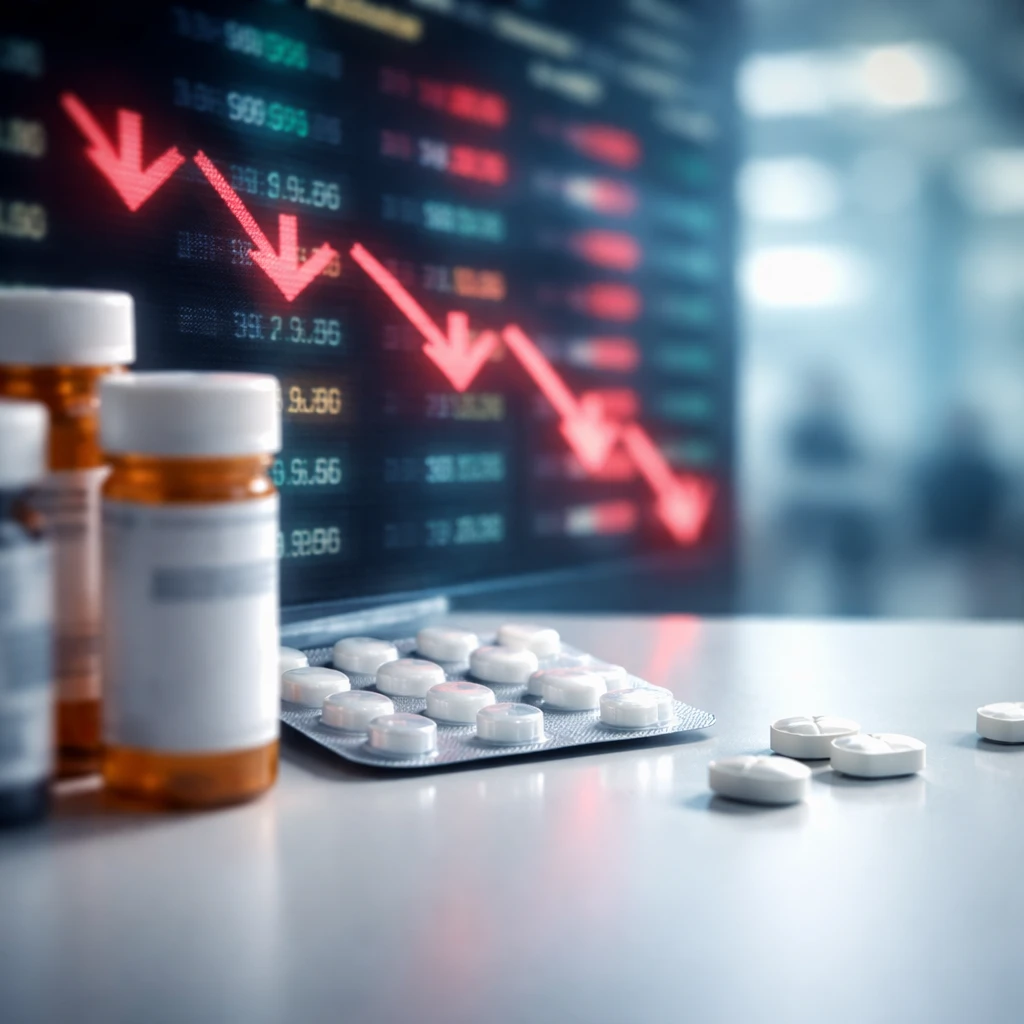
Eli Lilly shares fell about 2.2% Tuesday after reports that Novo Nordisk will cut U.S. list prices for its GLP-1 drugs, including Ozempic and Wegovy, by up to 50% starting Jan. 1, 2027. Novo Nordisk shares also declined roughly 3%. The announced price changes are intended to lower costs for patients with high deductibles or coinsurance tied to list prices and extend to oral versions of the medicines.

Key Points

  • Reported Novo Nordisk plan to reduce U.S. list prices for Wegovy and Ozempic to $675 per month beginning Jan. 1, 2027, representing a 50% cut for Wegovy and a 34% cut for Ozempic.
  • The price changes are reported to extend to oral GLP-1 formulations, including Rybelsus, and are intended to lower costs for patients with high-deductible plans or coinsurance tied to list price.
  • Financial markets reacted quickly - Eli Lilly shares fell about 2.2% and Novo Nordisk shares were lower by about 3% - reflecting investor concern over intensified pricing competition in the GLP-1 sector.

U.S. equity markets reacted early Tuesday to a report that Novo Nordisk intends to sharply reduce list prices for several of its leading GLP-1 drugs. Eli Lilly (NYSE:LLY) shares dropped approximately 2.2% in morning trading, while shares of Novo Nordisk were down about 3%.

The reported plan would set the U.S. list price for both Wegovy and Ozempic at $675 per month beginning Jan. 1, 2027. For Wegovy, that represents a 50% cut versus its current list price; for Ozempic, the reduction amounts to about 34%. The pricing adjustments reportedly would also apply to oral formulations of these therapies, including Rybelsus.

These medicines sit at the center of rapidly expanding demand in the GLP-1 category, a key growth area within pharmaceuticals. Millions of patients take GLP-1 therapies for weight management and diabetes, but the high list prices have constrained wider uptake in some cases because of insurance coverage gaps and higher out-of-pocket costs for patients.

According to the report, Novo Nordisk is reducing list prices for the first time with the goal of easing costs for people enrolled in high-deductible health plans or those facing coinsurance calculations tied to list price. Jamey Millar, Novo Nordisk's executive vice president of U.S. operations, was quoted as saying, "Our hope is that reduced prices will lead to better access and affordability."

Market participants interpreted the reported price moves as intensifying competition between Novo Nordisk and Eli Lilly in the GLP-1 market. Observers note that a sizable cut to list prices by one major manufacturer could place pressure on rivals to revisit their own pricing strategies for competing weight-loss and diabetes products.

While the reported reductions aim to lower the cost burden for some patients, the development also triggered an immediate market reaction, with investors marking down shares of both companies. The reported timeline, scope of the cuts and application to oral therapies are central elements of the announcement that market participants focused on.


Implications: The reported price adjustments are likely to affect competitive dynamics in the GLP-1 segment, influence payer negotiations, and factor into investor assessments of revenue trajectories for manufacturers of these therapies.

Risks

  • Increased pricing pressure could prompt competitors to alter pricing strategies, with potential revenue implications for companies selling GLP-1 therapies - primarily affecting pharmaceutical and healthcare equity sectors.
  • High list prices have previously limited broader adoption of GLP-1 drugs due to insurance coverage gaps and elevated out-of-pocket expenses for patients, a factor that remains a risk for market penetration and sales growth in the sector.
  • Investor reaction to reported pricing changes introduces near-term market volatility for stocks tied to the GLP-1 market, including firms competing in weight-loss and diabetes treatments.

More from Stock Markets

Morgan Stanley Shifts to Cautious on Global Gas; Flags Excelerate Energy as Relative Winner Feb 24, 2026 Anthropic Rolls Out 10 Enterprise Plug-ins as It Pushes Into Autonomous AI for Businesses Feb 24, 2026 Ideal Power Shares Drop After Company Prices $14 Million Equity Package Feb 24, 2026 Meta Commits Up to $60 Billion in AI Chips to AMD, Including Option for Equity Stake Feb 24, 2026 MacroGenics Shares Drop After FDA Imposes Partial Clinical Hold on LINNET Trial Feb 24, 2026