
Dubai International Airport (DXB) is projected to move close to 100 million passengers in 2026, strengthening a trajectory set by a record 2025 performance, the airport operator said on Wednesday.
Dubai Airports put the 2026 forecast at 99.5 million passengers, citing robust demand across several major source markets. Last year DXB handled 95.2 million passengers, an increase of 3.1% from 2024.
Among the largest markets for DXB, India, Saudi Arabia and Britain remained prominent. The operator also flagged notable double-digit passenger growth from China, Egypt and Italy, underscoring a broadening of demand across different regions.
Government data referenced in the operator statement shows Dubai received 19.6 million international overnight visitors in the past year, reinforcing the emirate's role as a regional tourism and trade hub. Dubai is also a major connecting point for air traffic between Europe and Asia.
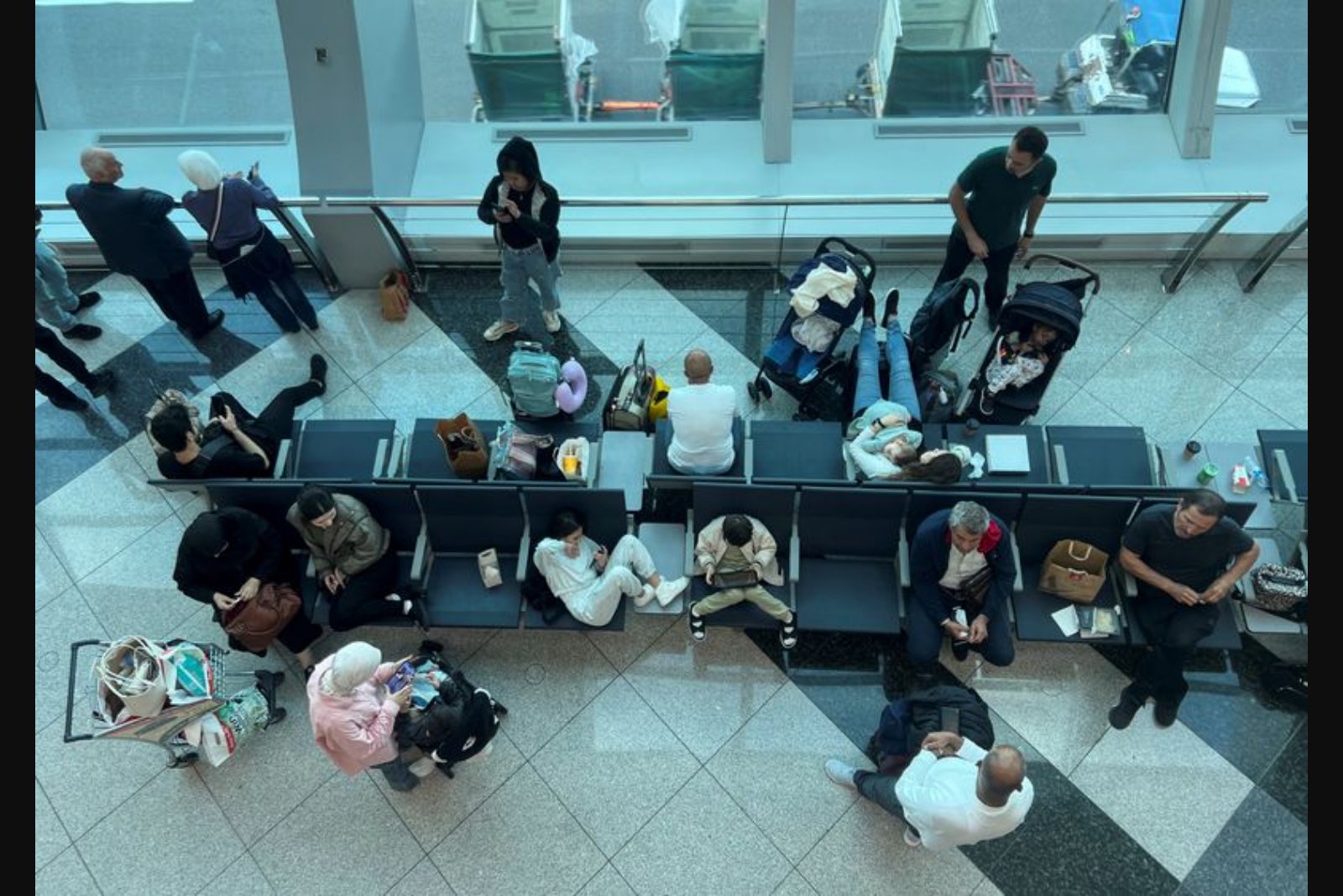
"DXB achieved its busiest day, month, quarter and year on record, operating at the edge of physical capacity while consistently delivering operational excellence," Dubai Airports said.
The statement highlights that last year saw record operational highs, with activity running close to the airport's physical limits. To address rising demand and a rapidly expanding local population, Dubai has announced a major expansion at its second airport, Al Maktoum International, which is also run by Dubai Airports.
The Al Maktoum project carries a price tag of $35 billion and is designed in phases: an initial capacity target of 150 million passengers per year over the next decade, with an eventual build-out to 260 million annual passengers when the full program is complete.
Those figures reflect a long-term strategy to increase the emirate's aviation capacity and to provide greater resilience against capacity constraints at DXB. The phased approach to expanding Al Maktoum suggests a multi-stage delivery timeline stretching across the coming decade.
Dubai's airports continue to sit at the center of the emirate's tourism and trade infrastructure, balancing short-term operational strain at DXB with a large-scale capital program intended to underpin future growth in passenger volumes.