
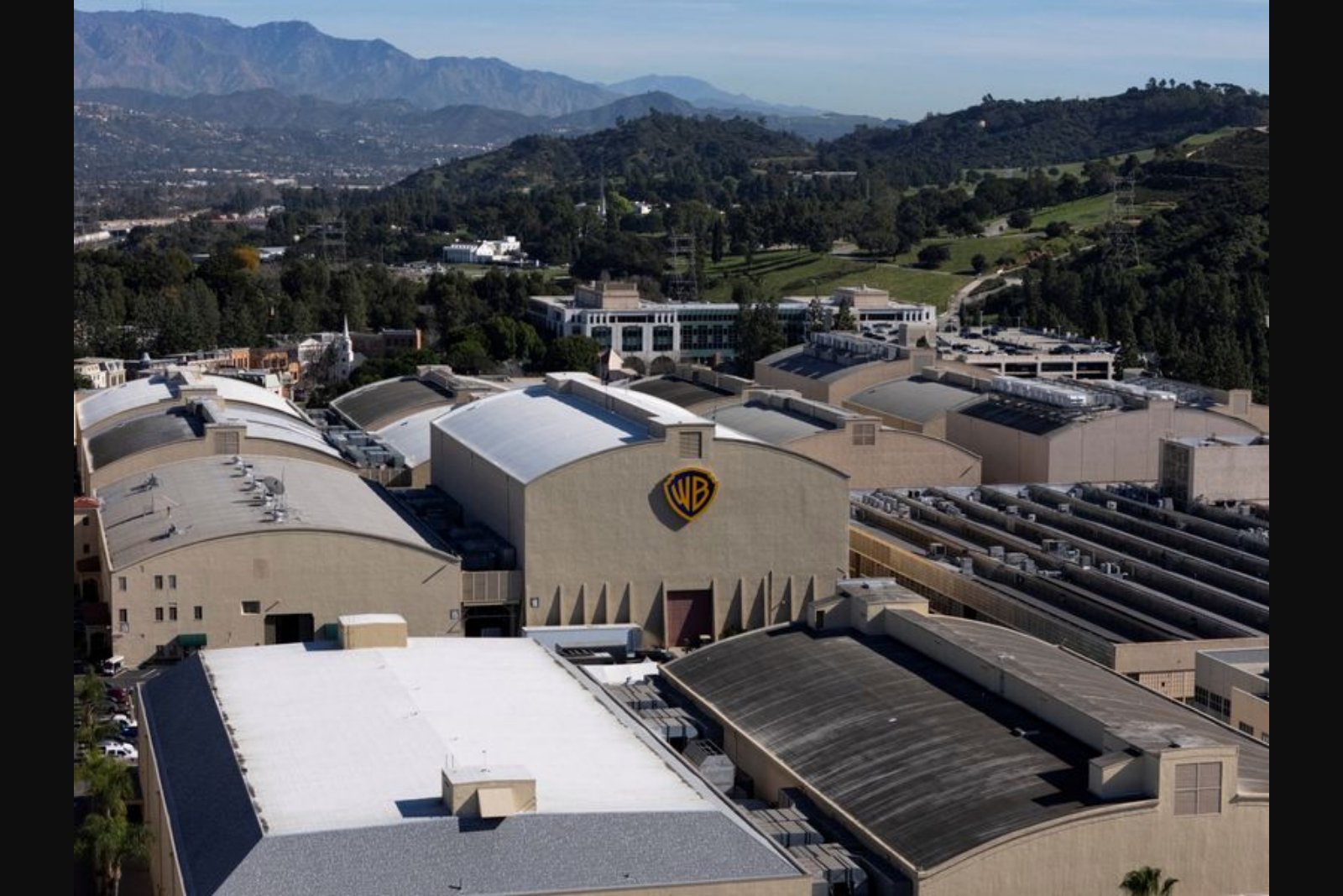
Feb 18 - The U.S. Department of Justice has engaged with several of the nation’s largest movie theater operators in confidential discussions about the possible consequences of a sale of Warner Bros. Discovery, Bloomberg News reported. According to the report, government attorneys are collecting information on whether a transaction could reduce the volume of films released to theaters and how moviegoers might be affected.
The report also notes that a separate news organization said it could not independently verify the Bloomberg account. Warner Bros. Discovery and the Justice Department did not immediately respond to requests for comment, the report added.
The inquiry arrives as Warner Bros. has pushed back on a recent unsolicited buyout attempt. On Tuesday the studio rejected Paramount Skydance’s most recent hostile bid of $30 per share, while simultaneously giving Paramount Skydance a seven-day window to present a "best and final" offer that would top Warner Bros.’ existing agreement with Netflix.
Paramount acknowledged receipt of the seven-day notice but described Warner Bros.’ board actions as "unusual." The CBS-parent indicated it would continue with its tender offer, maintain opposition to what it called the "inferior" Netflix merger, and proceed with plans to nominate directors at Warner Bros.’ upcoming annual meeting.
Separately, Warner Bros. is moving ahead with a shareholder vote on Netflix’s proposal to acquire its streaming and studio assets, with that vote scheduled for March 20. If shareholders approve the deal, the combination would take place following Warner Bros.’ planned separation of its global cable networks into a standalone public company that would include channels such as CNN, TLC, Food Network and HGTV.
The Bloomberg report also referenced public commentary from filmmaker James Cameron, who endorsed Paramount’s takeover attempt in November and warned that a sale to Netflix would be "a disaster" for the cinema industry.
Sector impact note - The developments concern media and entertainment companies, theatrical exhibition operators, and broader M&A and antitrust oversight affecting how studios distribute films to theaters.