
Stock Markets March 12, 2026

DOE Allocates $1.9 Billion to Speed U.S. Power Grid Upgrades

Funding targets higher-capacity lines and transmission technologies as electricity demand climbs from AI, crypto data centers and electrification

By Nina Shah
DOE Allocates $1.9 Billion to Speed U.S. Power Grid Upgrades

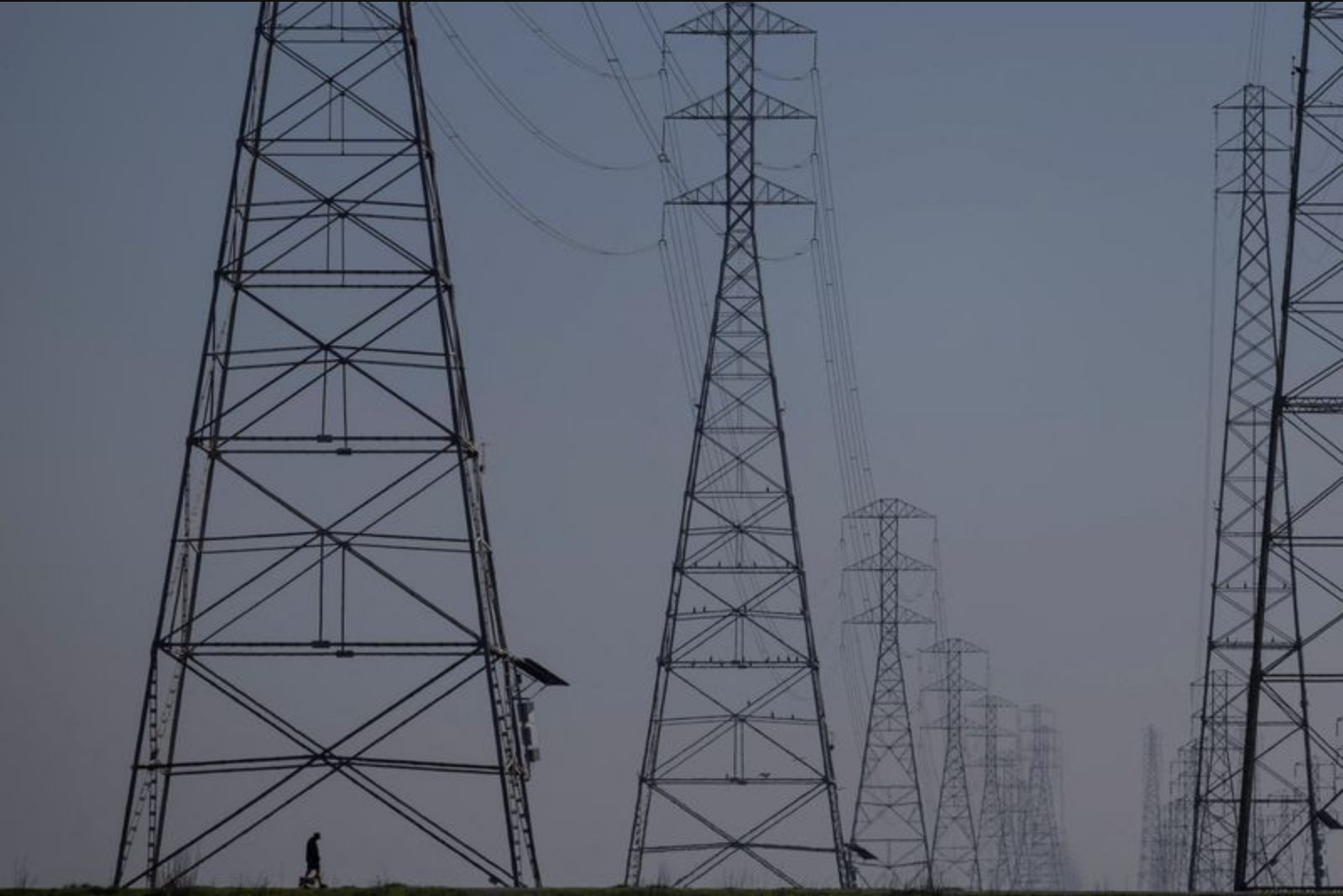
On March 12, the U.S. Department of Energy announced a roughly $1.9 billion investment aimed at accelerating upgrades to the nation's electric transmission network. The funding is intended to ready the grid for a near-term surge in power demand tied to expanded AI and cryptocurrency data center operations and increased electrification of heating and transport, and to help reduce electricity costs for households and businesses. Selected projects must demonstrate the benefits of reconductoring or replacing existing lines with higher-capacity conductors alongside other transmission technologies.

Key Points

  • The U.S. Department of Energy announced a roughly $1.9 billion investment to accelerate power grid upgrades.
  • Rising electricity demand is attributed to rapid growth in AI and cryptocurrency data centers and increased electrification of heating and transport.
  • Funded projects must demonstrate how reconductoring or replacing lines with higher-capacity conductors, combined with transmission technologies, can strengthen the grid - sectors affected include utilities, data centers, and electrified transport.

On March 12, the U.S. Department of Energy said it will invest about $1.9 billion to accelerate upgrades to power grids across the country. The agency framed the funding as a preparatory step to meet an expected sharp rise in electricity consumption this year and next, driven by rapid growth in AI and cryptocurrency data centers and by greater electrification of heating and transport.

DOE officials said the money is meant both to prepare the grid for higher demand and to reduce electricity costs for American households and businesses. The agency described the program as supporting projects that strengthen transmission capacity and modernize components of the network to better carry increased loads.

Under the program, projects chosen for the funding will be required to show how reconductoring - or replacing existing power lines with higher-capacity conductors - when combined with transmission technologies, can reinforce the nation's electric grid. The selection criteria emphasize demonstrable capacity improvements using those approaches.

Utilities are already expanding the physical network - adding power lines and other infrastructure - in response to rising demands. The DOE highlighted that increases in consumption from data centers are lifting U.S. electricity use out of two decades of flat demand, creating a need for targeted upgrades to transmission and related systems.

The agency tied the funding to both operational readiness and consumer impact, noting that improved transmission capacity can help accommodate new large loads while putting downward pressure on electricity prices where constraints previously pushed costs higher. The DOE also linked the initiative to broader trends in electrification that will add load across heating and transport sectors.

Details on the project selection process and timeline for awards were not specified beyond the requirement for projects to demonstrate capacity improvements via reconductoring or replacement and transmission technologies. The announcement frames the spending as a step to align transmission capability with the evolving pattern of U.S. electricity demand.

Risks

  • The announcement does not provide detailed timelines or specific award schedules for projects, creating uncertainty for utilities and contractors planning upgrades - this affects the utilities and construction sectors.
  • There is potential uncertainty about whether funded projects will sufficiently lower electricity prices in all affected regions, as the funding targets capacity improvements but not direct retail price mechanisms - this impacts households and businesses sensitive to power costs.
  • The program requires demonstrable results from reconductoring or replacement plus transmission technologies; projects that fail to show clear capacity gains may not receive funds, leaving some grid constraints unaddressed - this is a risk for grid operators and regional power markets.

More from Stock Markets

Amazon Moves Prime Day Into June, Shifting Calendar and Quarterly Revenue Mar 12, 2026 Senator Hawley Demands Answers as Urea Prices Jump 32% and Fertilizer Stocks Rally Mar 12, 2026 Mexico's S&P/BMV IPC Falls 2.18% as Industrials and Consumer Names Lead Declines Mar 12, 2026 Ulta Beauty Lowers Full-Year Profit Outlook as Ad Spending Rises Mar 12, 2026 Justice Department Swears In 42 Immigration Judges, Many From Enforcement Backgrounds Mar 12, 2026