
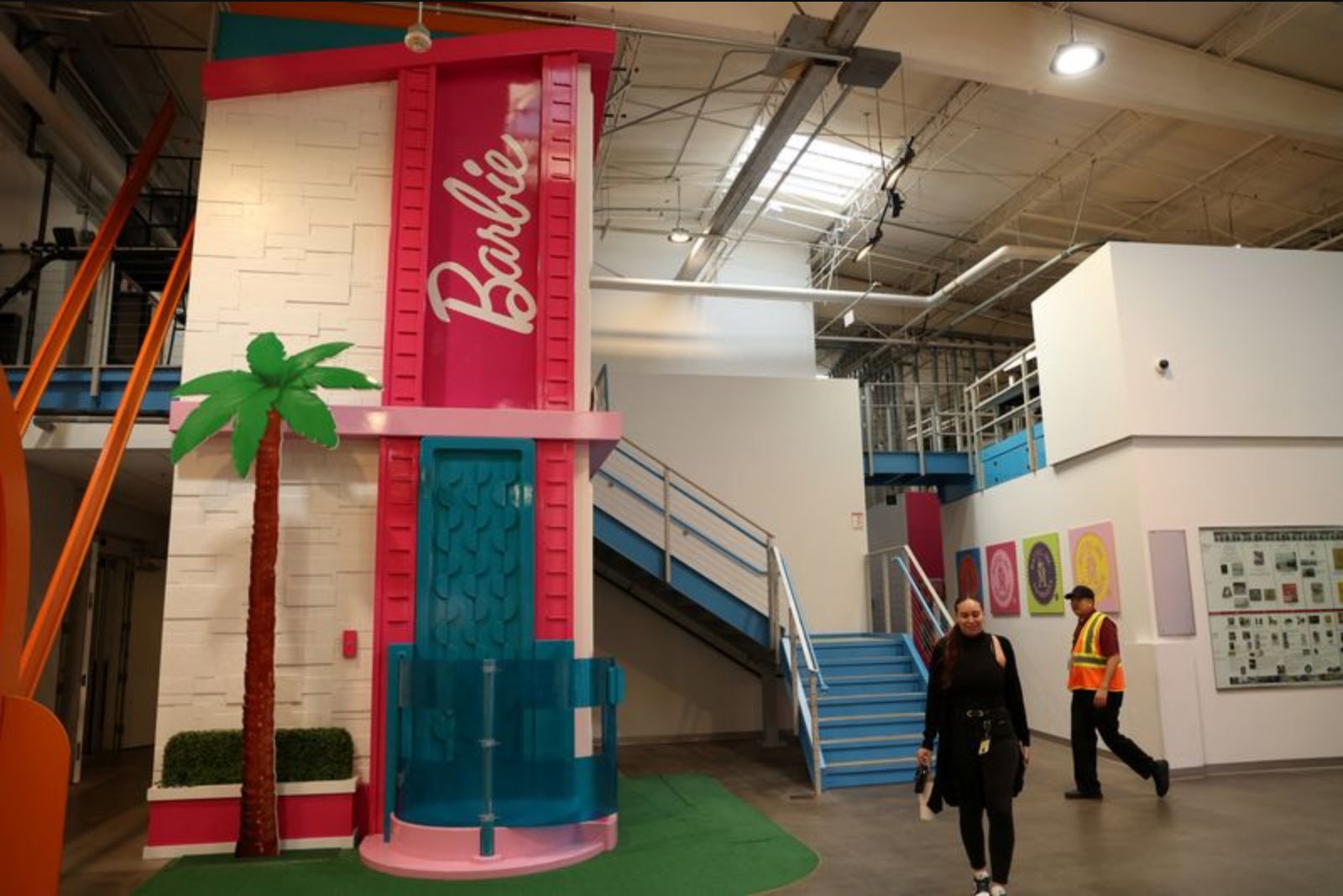
Mattel and Hasbro arrived at the same headline - a disappointing 2026 forecast - but investors treated the news very differently. Hasbro’s shares climbed as much as 9% on Tuesday, buoyed by rapid expansion in its digital gaming arm. Mattel, meanwhile, plunged about 30% in premarket trading on Wednesday and faced its steepest intraday drop in more than 40 years, reflecting acute investor concern about its near-term exposure to a softer toy market.
The split reaction underscores a strategic divergence between the two legacy toymakers. Both companies are contending with weaker demand for conventional playthings. However, Hasbro’s digital-gaming gains have altered its risk profile and appear to have turned an otherwise gloomy forecast into a manageable setback. For Mattel, the same macro warning translated into a severe market penalty.
Analysts highlighted the timing and scale of each company’s pivot to gaming. D.A. Davidson analyst Keegan Cox noted that "Mattel is in the early stages of an investment similar to Hasbro’s investment in gaming over seven years ago." That comparison frames Mattel’s push as a later-stage entry that has not yet produced the margin or revenue lift seen at Hasbro.
Investors in Mattel - the maker of Barbie dolls, Hot Wheels and Fisher-Price toddler products - have been particularly sensitive to the company’s dependence on traditional toy sales and the growing likelihood of inventory pressure if retailers slow orders. Mattel disclosed that "December gross billings in the U.S. ended up growing less than expected," a direct sign that fresh retailer orders during the critical holiday period fell short of company assumptions.
How product mix is reshaping outcomes
Mattel derives the majority of its revenue from selling physical toys - Hot Wheels vehicles, Fisher-Price toddler sets, dolls and licensed action figures tied to studios such as Pixar and Warner Bros Discovery. Consumer spending, the company said, is shifting away from many classic toy formats and moving toward tabletop and digital games linked to popular online shows and films. That evolving preference is central to the divergence in investor sentiment.
On Tuesday Mattel signaled its intention to accelerate its presence in digital gaming by planning to acquire the remaining 50% of a joint venture with China’s NetEase. Yet those gaming initiatives are still nascent and are placing pressure on margins as the company invests ahead of any material returns.
By contrast, Hasbro reported an 86% increase in revenue for its Wizards of the Coast and Digital Gaming segment in the December quarter. That business also delivered a notable operating margin expansion, climbing to 45% from roughly 24% a year earlier. Within that segment, Magic: The Gathering recorded a 141% increase in revenue, highlighting the outsized contribution of a single, high-performing franchise.
UBS analysts articulated the trade-off clearly: while investors have seen how traditional toy intellectual property can successfully translate into digital gaming and its attractive margins, "Mattel’s sizable investment in digital gaming in 2026 delays the earnings upside."
Inventory and margin pressures at Mattel
Mattel reported margin compression in the latest quarter, driven in part by additional discounting to clear inventory that built up after a "shift in shipping patterns from direct import to domestic fulfillment," the company said on an analyst call. Management described a change in retailer ordering behavior prompted by tariff uncertainty and evolving consumer tastes.
Rather than placing orders months ahead and managing long lead times, retail customers such as Walmart are increasingly buying based on real-time demand. That shift forces manufacturers like Mattel to carry more stock in their own warehouses when orders do not materialize, exacerbating inventory burdens.
Company and analysts expect the inventory clean-up to spill into the current quarter, adding further pressure on margins and results. Market valuation differences reflect investor preferences: Hasbro trades at a higher forward price-to-earnings multiple of 18.95, while Mattel’s multiple sits at 12.14. Mattel’s shares were trading at $14.6 in premarket trading on Wednesday.
Mattel said it plans to invest about $110 million in 2026, primarily toward digital games, and about $40 million in performance-based marketing, measures the company expects will support its strategic shift but that will delay near-term earnings improvement.
Bottom line
Both toymakers are navigating a transitioning consumer landscape that favors gaming-related experiences over many traditional toys. Hasbro’s advanced position in digital gaming has so far translated into strong revenue growth and margin uplift, enabling the market to treat a cautious outlook as temporary. Mattel is committing capital to follow a similar path but remains early in that journey, and the combination of weaker holiday billings and inventory pressure has made investors question near-term prospects.