
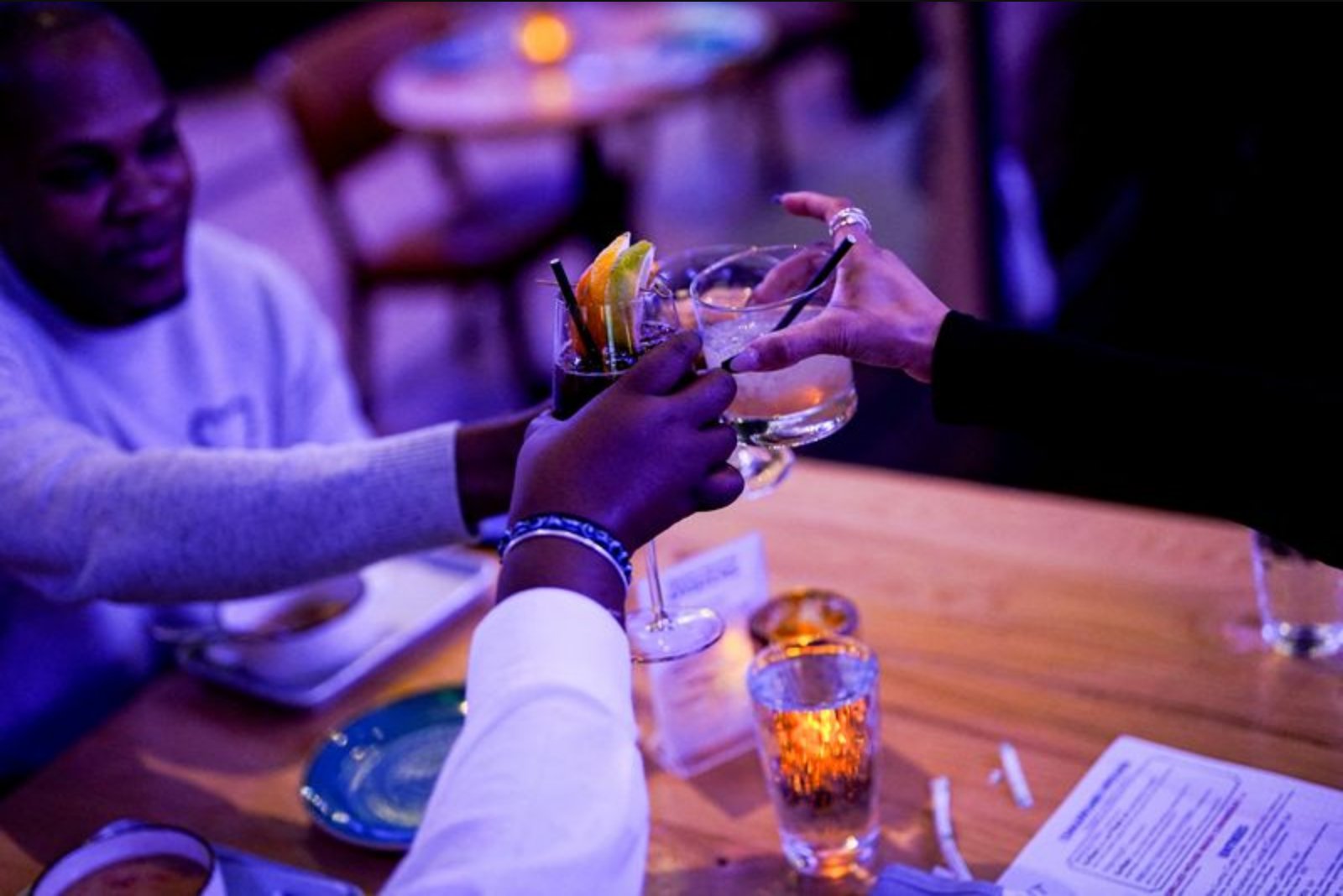
On the surface, 2025 looked like a year in which American households pulled back, with several large retailers posting softer results. Yet across many sit-down restaurants and certain drive-through concepts, customers continued to show up for an affordable treat or a comforting meal. That demand translated into job growth for the sector: restaurant payrolls rose about 1% last year, adding roughly 108,000 positions, according to the Bureau of Labor Statistics.
By comparison, total non-farm payrolls in the United States increased by 181,000 jobs in 2025, a pace described in the data as the weakest annual payroll growth in 20 years outside a recession year. Within that broader pattern of muted hiring, restaurants were one of the few pockets of relative strength.
But the gains were not uniform across the industry. Corporate disclosures and filings point to outsized performance among brands such as Brinker’s Chili’s, Yum Brands’ Taco Bell and the rapidly expanding coffee chain Dutch Bros. These operators attracted customers through aggressive bundled promotions, digital innovation and limited-time offerings, as well as by emphasizing higher-margin, visually appealing menu items suitable for social media.
At the same time, some previously popular concepts experienced headwinds. Analysts cited a phenomenon they labelled "slop-bowl fatigue" - growing weariness among younger patrons for expensive, highly customizable grain or salad bowls - which weighed on chains like Chipotle and Cava.
Dutch Bros, headquartered in Tempe, Arizona, reported adding roughly 8,000 employees over the past two years, representing an approximate 33% increase in payroll across the company and its franchisees. Speaking after the company’s February earnings, CEO Christine Barone said the brand has "a healthy pipeline of growth," and that customizable beverages remain particularly resonant with younger consumers.
Operators that sell treats rather than full meals saw similar expansion. Whit’s Frozen Custard, a specialty ice cream chain, said it has grown payrolls by as much as 40% annually over the last two years to support rapid expansion. Owner Bill Aseere noted the chain now operates in 93 locations across 10 states, with roughly 15 to 20 employees at each store.
Newer entrants from overseas also found customers receptive to lower-cost indulgences. Amanda Wang, co-founder of Ningji Lemon Tea, highlighted demand for affordable treats among consumers seeking value, saying tea "offers that little bit of happiness." Ningji is among a wave of Chinese tea brands opening U.S. locations.
Analysts point to menu price increases as one factor helping restaurants expand payrolls even while traffic remained subdued and labor costs rose. The Federal Reserve Bank of St. Louis reports restaurant menu prices increased 4.1% in 2025, compared with grocery inflation of 2.3% over the same period.
A closer look at the payroll breakdown reveals divergent trends across sub-sectors. Staff headcount at snack and non-alcoholic beverage establishments grew 3.6% in 2025, while sit-down restaurants increased payrolls by about 1%. Fast-food outlets saw only modest growth in payrolls, up roughly 0.4%, and cafeterias and buffet operations contracted, with payrolls down 3.9%.
Chad Moutray, an economist at the National Restaurant Association, said resilient spending at sit-down restaurants reflects consumers’ willingness to celebrate major occasions with dining out even as they cut back on other expenses: "At the end of the day, people want go out to eat and celebrate those big occasions. Consumers might be pulling back from vacations, but they still prioritize eating out."
The behavioral pattern echoes what industry participants call the "lipstick effect" - where households scale back on costly purchases or vacations but still allocate money to smaller pleasures such as a meal, coffee or dessert.
Company filings show how those dynamics translated into hiring. Brinker reported a 23% increase in its hourly restaurant staff between fiscal 2024 and 2025, though it noted a rising share of those employees are part-time, according to SEC filings. Darden, the parent company of sit-down brands including Olive Garden and LongHorn Steakhouse, expanded its workforce by about 3.8% in fiscal 2025.
Measurement nuances matter: most national chains operate primarily via franchise models and do not disclose total employment among franchisees. Two chains that run the majority of their stores directly, Chipotle and Starbucks, recorded slight declines in total headcount for fiscal 2025.
Outside of general inflationary pressure, restaurant owners did not face the broad tariff-driven cost shocks that affected other industries. Tariff announcements largely affected narrow product categories relevant to restaurants, such as cup packaging and Chinese Sichuan peppers.
Should you be buying SBUX right now? ProPicks AI evaluates SBUX alongside thousands of other companies every month using 100+ financial metrics. Using powerful AI to generate exciting stock ideas, it looks beyond popularity to assess fundamentals, momentum, and valuation. The AI has no bias - it simply identifies which stocks offer the best risk-reward based on current data with notable past winners that include Super Micro Computer (+185%) and AppLovin (+157%). Want to know if SBUX is currently featured in any ProPicks AI strategies, or if there are better opportunities in the same space?