
American consumers tightened spending in 2025, and many retail categories showed strain. Yet sit-down restaurants and several snack and beverage chains saw steady customer traffic and stronger sales, translating into employment gains across the sector.
According to data from the Bureau of Labor Statistics, restaurant payrolls rose 1% over the year, equating to roughly 108,000 added jobs. That stands in contrast to the broader U.S. economy, which recorded 181,000 non-farm jobs added during 2025 - the weakest annual payroll growth in 20 years outside of a recession year.
The gains in the restaurant industry were not uniform. Corporate filings point to stronger performance at certain operators that leaned into bundled value offers, limited-time promotions and digital engagement while highlighting visually appealing, higher-margin menu items. Companies noted for this approach include Brinker International - operator of Chili's - Yum Brands' Taco Bell and rapid-growth beverage chains such as Dutch Bros.
That said, other previously popular concepts faced headwinds. Chains that had built momentum on expensive, highly customizable grain or salad bowls - a category analysts have described as suffering from "slop-bowl fatigue" among younger consumers - experienced softness. Notable names in that space were affected by waning demand.
Dutch Bros, based in Tempe, Arizona, reported significant headcount growth as it expanded. The company and its franchisees added about 8,000 employees over the past two years, a roughly 33% increase, according to its statements. "We have a healthy pipeline of growth," CEO Christine Barone said after the company's earnings in February, noting the brand's appeal to younger customers through customizable beverage offerings.
A similar staffing trend has been visible at treat-focused outlets. Whit's Frozen Custard, an ice cream chain, said payrolls have grown as much as 40% annually over the prior two years to support rapid expansion. Owner Bill Aseere said the chain now operates in 93 locations across 10 states and staffs each store with about 15 to 20 employees.
Newer entrants from overseas are also finding traction. Amanda Wang, co-founder of Ningji Lemon Tea - one of a wave of Chinese tea brands establishing U.S. outlets - said customer demand in the United States has been buoyed by consumers seeking lower-cost indulgences. Tea, she said, "offers that little bit of happiness."
Analysts attribute the restaurant industry's payroll growth to several factors even as outlets contend with softer traffic and higher labor costs. One key dynamic has been menu price increases. The Federal Reserve Bank of St. Louis reports that restaurant menu prices rose 4.1% in 2025, compared with grocery inflation of 2.3% over the same period. Higher prices helped offset wage pressures and other cost increases.
A more granular look at payroll categories in 2025 highlights divergent outcomes across types of eating and drinking establishments. Staff headcount at snack and non-alcoholic beverage restaurants increased 3.6% last year, while sit-down restaurants saw a 1% rise. By contrast, fast-food payrolls grew only 0.4%, and cafeterias and buffets experienced a 3.9% decline in staff.
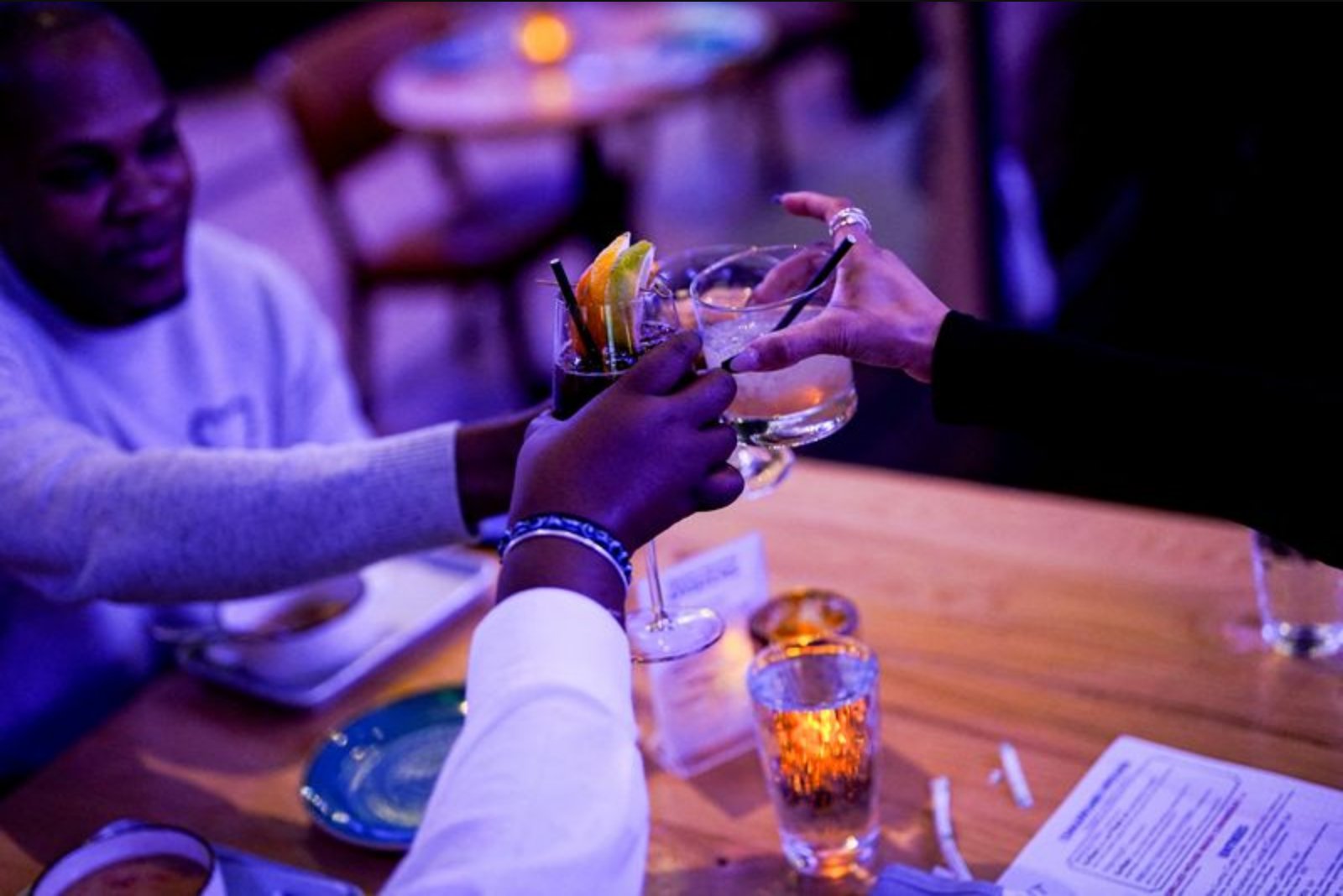
Industry observers point to consumer priorities that have favored experiences such as dining out for celebrations even as households cut back elsewhere. "At the end of the day, people want go out to eat and celebrate those big occasions," said Chad Moutray, an economist at the National Restaurant Association, referring to resilient spending at sit-down restaurants. "Consumers might be pulling back from vacations, but they still prioritize eating out."
The pattern aligns with what the industry sometimes calls the "lipstick effect" - households forgo large discretionary purchases but continue to spend on smaller indulgences like a meal, coffee or dessert.
Company-level disclosures illustrate the staffing shifts. Brinker reported a 23% increase in its hourly restaurant staff between fiscal years 2024 and 2025, while noting that a greater share of employees are part-time. Darden Restaurants, the parent of Olive Garden and LongHorn Steakhouse, raised its staff by about 3.8% for fiscal 2025.
Because most national chains are franchised, aggregate employment across the sector is not always visible from corporate filings. Notable exceptions that operate most of their own locations saw slight reductions in total headcount in fiscal 2025; Chipotle and Starbucks both reported marginal declines in total employees for the year.
On the input-cost front, the restaurant industry has so far avoided broad tariff-driven disruptions that have affected other sectors. Tariff measures have raised costs and forced sourcing adjustments in parts of manufacturing and retail, but for restaurant owners the direct tariff impacts have been limited to narrow categories such as cup packaging and certain spices.
Overall, the restaurant sector's ability to recruit workers and expand payrolls in 2025 contrasted with the subdued pace of broader labor-market gains, with outcomes varying markedly by format and by the pricing and promotion strategies of individual operators.