
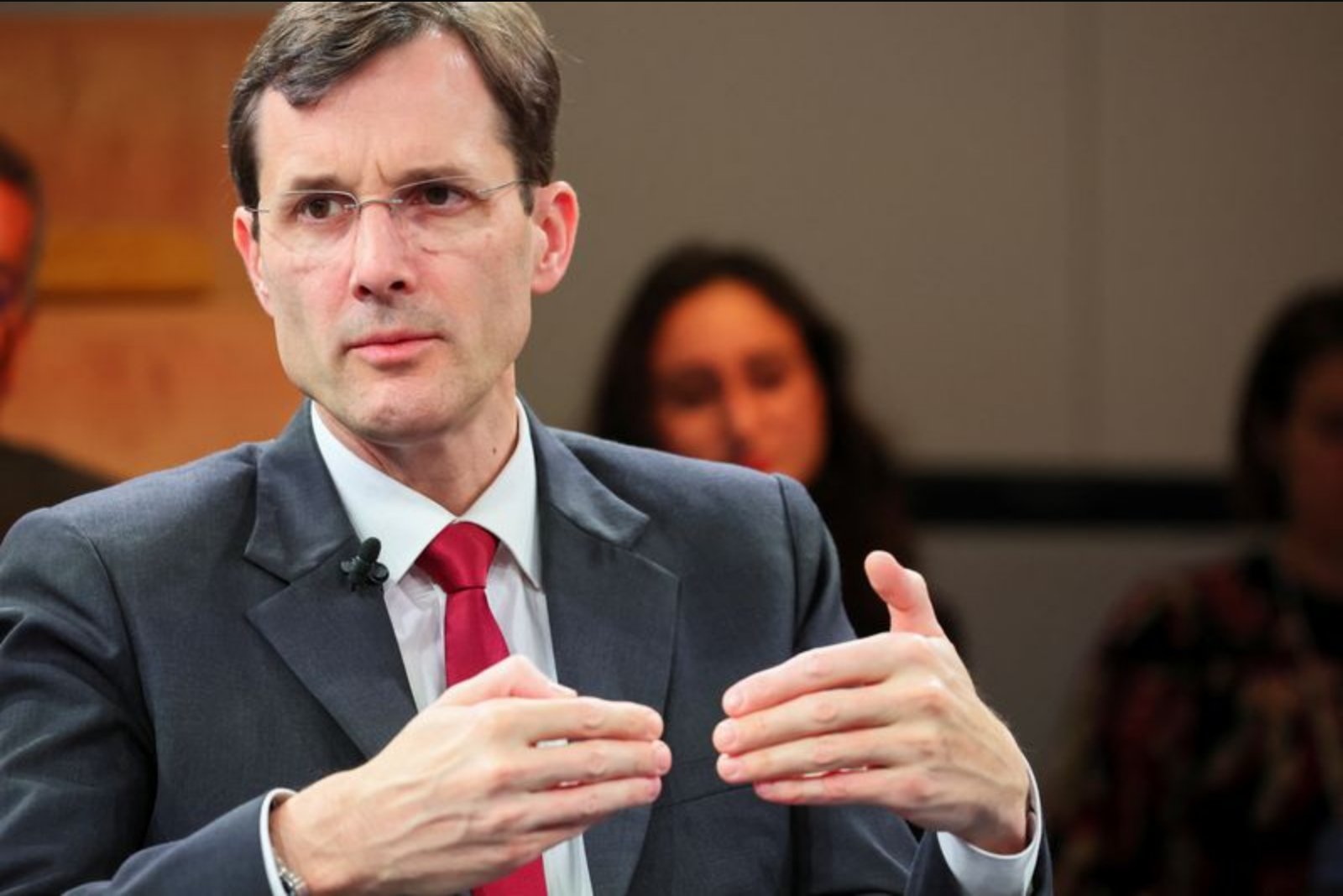
DHL announced it will continue to accept delivery orders destined for the Middle East even as the conflict between the U.S. and Iran has intensified, but the German logistics operator cautioned that shipments will be delayed.
The company’s CEO, Tobias Meyer, spoke at a press conference following the release of DHL’s annual results, saying the escalation affects the entire region and is impacting routing for deliveries to Israel. Meyer noted that those shipments are currently transiting via Cyprus.
Meyer also said the logistics group remains committed to its investment plans in the Middle East. "Those are long-term investments and we’re of the opinion that the region is still attractive," he said, reiterating that the company’s strategic capital allocations there will continue despite near-term operational headwinds.
Logistics and shipping firms have reported growing disruption to both air and sea routes as the conflict entered its sixth day. One notable development was Iran’s closure of the Strait of Hormuz on Sunday, an action that forced large ocean carriers to alter their traditional routes.
Major ocean carriers including Maersk, Hapag-Lloyd and CMA CGM have been required to divert vessels around Africa, a change that increases transit times and raises operating costs. The longer routing is expected to add material time to shipments and to lift fuel and chartering expenses for affected voyages.
Air and parcel networks have also adjusted operations. U.S. parcel operator FedEx announced it was temporarily halting services in five countries in the region on Monday, reflecting the strain on network continuity for last-mile and cross-border deliveries.
For customers and market participants, the immediate picture is one of constrained capacity and extended transit timelines. DHL’s stance is to maintain service acceptance while warning clients about the likelihood of delays and added complexity in routing, and to press forward with its stated investment program for the Middle East on a long-term basis.
Note: The information above reflects statements made by DHL leadership and reported operational changes among carriers during the described escalation.