
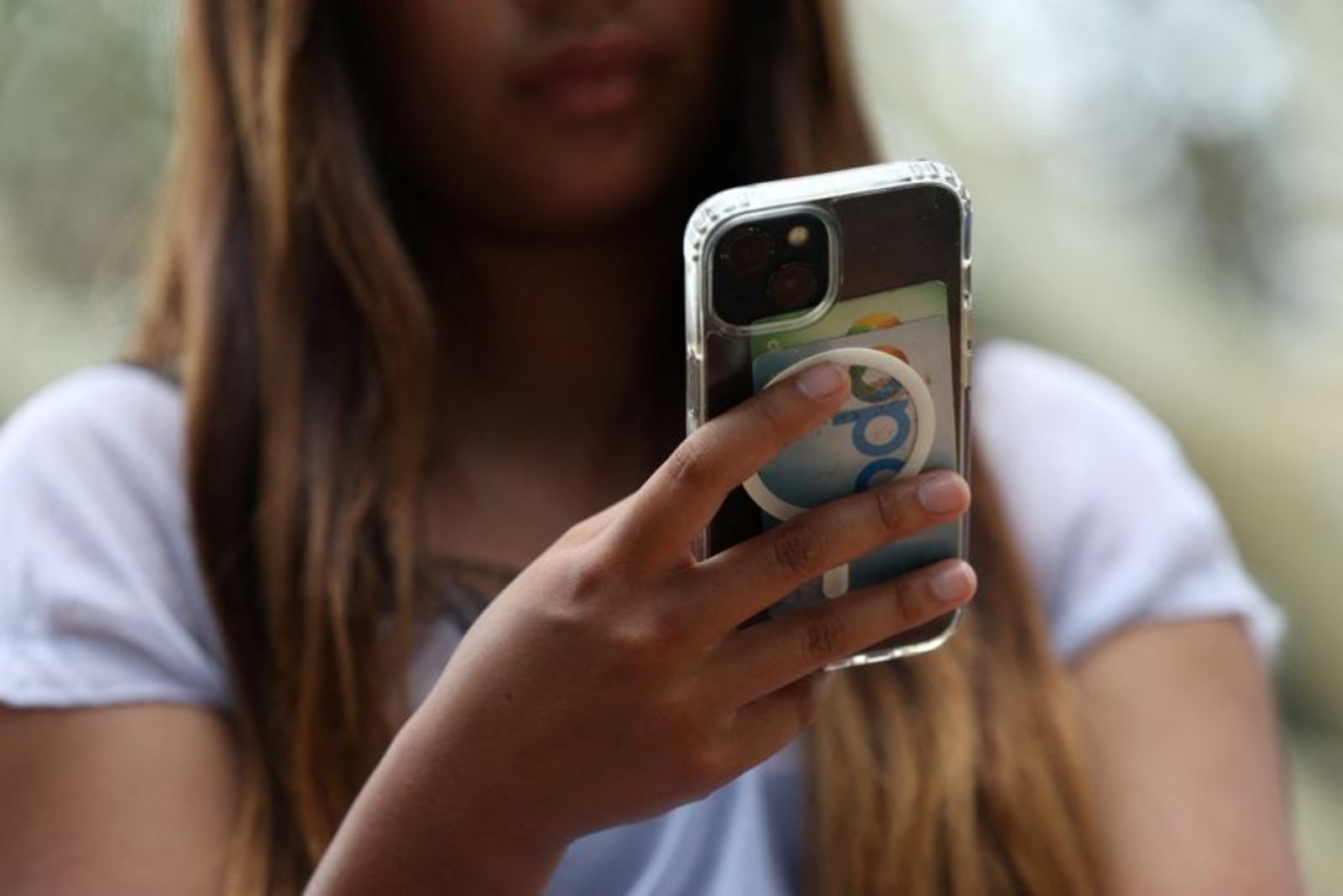
Australia in December implemented a law that prevents children under the age of 16 from accessing major social media platforms, making it the first country to enact such a sweeping prohibition. The measure, which came into force on December 10, 2025, requires platforms such as TikTok, Alphabet's YouTube and Meta's Facebook and Instagram to block accounts for minors younger than 16. Firms that fail to comply may face fines of up to A$49.5 million ($34.4 million).
This Australian step has become part of a broader international response to worries about how social media affects children’s health and safety. Governments and regulators around the world are pursuing a variety of policy responses - some call for outright age-based bans, others are raising the age of consent or strengthening parental control systems, and some are instituting technical limits at the device or application level.
Country measures and policy moves
- Britain: The U.K. government, through statements by Prime Minister Keir Starmer, is considering a ban similar to Australia’s. Officials have not announced a specific age threshold but have signalled a re-evaluation of whether the current digital age of consent is set too low.
- China: The national cyberspace regulator has implemented a "minor mode" system that enforces restrictions at the device level and applies app-specific rules to limit screen time according to the child’s age.
- Denmark: In November, Danish authorities said they would prohibit social media use by children under 15, while allowing parental permission to extend access to selected platforms for children aged 13 and 14.
- France: The National Assembly approved legislation in January to bar children younger than 15 from social media, a measure now awaiting further consideration in the Senate before a final vote in the lower house.
- Germany: Current rules allow minors aged 13 to 16 to use social media only with parental consent, but child protection groups contend that these safeguards do not go far enough.
- Greece: A senior government source told Reuters on February 3 that Greece is "very close" to announcing a social media ban for children under 15.
- India: In January, the country's chief economic adviser recommended age limits on social media platforms, describing those services as predatory in their design to keep users engaged. The comment followed moves by the tourist state of Goa, which said it was weighing restrictions similar to Australia’s.
- Italy: Children under 14 must obtain parental consent to sign up for social media accounts. No consent is required once they are older than 14 under current Italian rules.
- Malaysia: Authorities announced in November plans to prohibit social media use for those under 16 beginning in 2026.
- Norway: In October 2024, the government proposed raising the age at which children may consent to social media terms from 13 to 15, while preserving the option for parents to provide consent on their behalf. Authorities are also drafting legislation to set an absolute minimum age of 15 for social media access.
- Slovenia: Deputy Prime Minister Matej Arcon said on February 6 that Slovenia is preparing a law to forbid social media access to children under 15.
- Spain: Prime Minister Pedro Sanchez announced in early February that Spain will ban minors under 16 from social media and will require platforms to implement age verification systems. It is unclear from available statements whether the proposed measures must pass the country’s fragmented lower house for approval.
- The United States: The Children’s Online Privacy Protection Act prevents companies from collecting personal data from children under 13 without parental consent. Several U.S. states have enacted laws requiring parental permission for minors to use social media, though such laws have faced legal challenges on free speech grounds.
- European Union: In November, the European Parliament adopted a non-binding resolution calling for a minimum age of 16 for social media. The Parliament also urged a harmonised EU digital age limit of 13 for social media access and recommended a minimum age of 13 for video-sharing services and for use of "AI companions." The resolution is not legally binding.
Industry response and enforcement realities
Major social media companies such as TikTok, Facebook and Snapchat maintain that users must be at least 13 years old to create accounts. Child welfare advocates argue these baseline age requirements are inadequate. Available official data in several European countries indicates that large numbers of children under the age of 13 already have social media accounts, underscoring questions about how effective platform-level age thresholds are without reliable verification systems or stronger regulatory mandates.
Across jurisdictions, the policy tools vary - some measures depend on parental consent as a safety valve, others rely on technical restrictions at the device or app level, and some impose direct prohibitions with the prospect of monetary penalties for non-compliance. The diversity of approaches reflects differing views among policymakers about the balance between protecting minors online and enforcing restrictions.
Currency note
($1 = 1.4374 Australian dollars)