
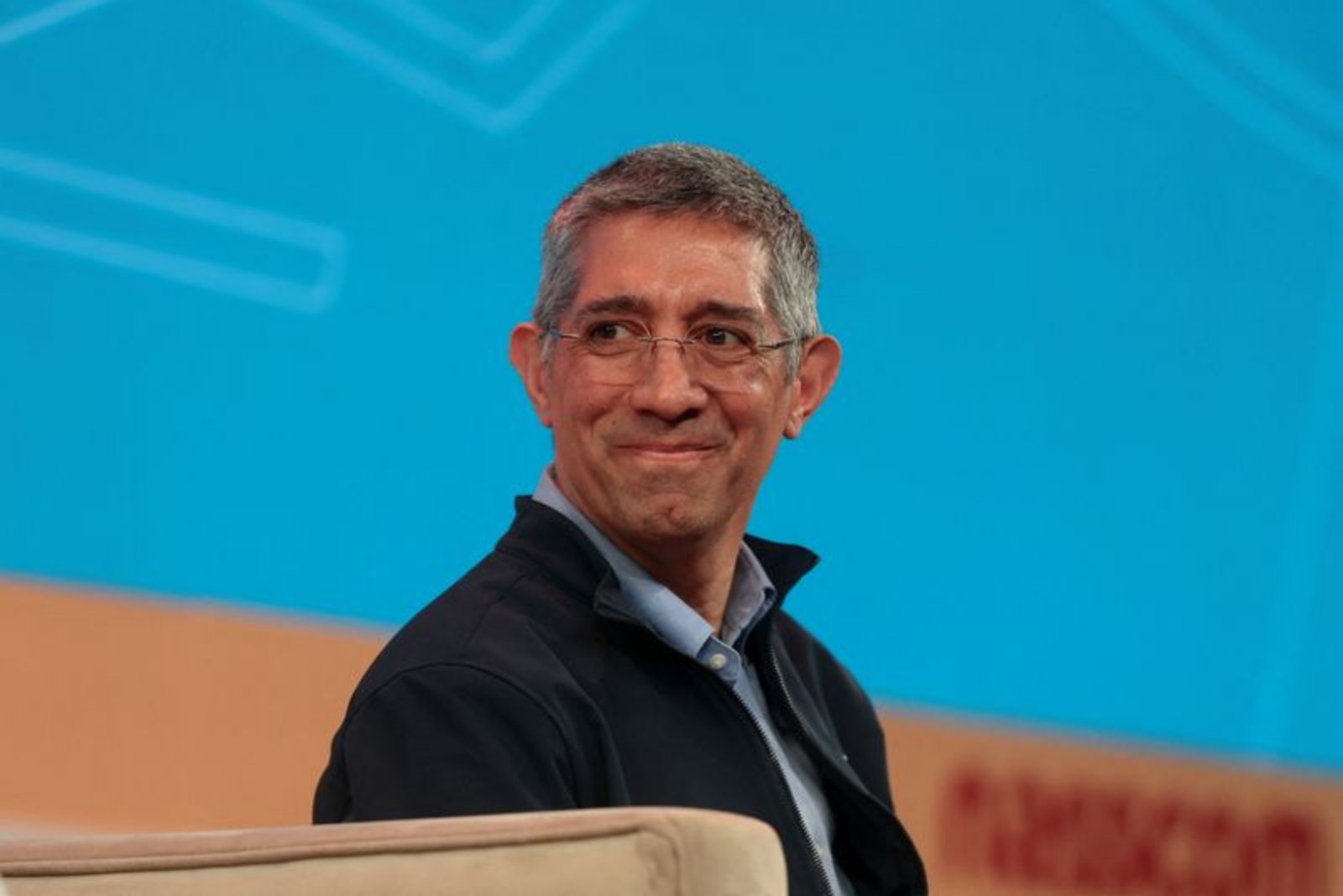
Babak Hodjat, chief AI officer at Cognizant, said fears that emerging AI tools will replace large IT services companies are excessive, arguing clients still need substantial help to deploy and scale artificial intelligence within their existing systems.
Startups offering automated AI tools, including those similar to Anthropic's products, have intensified debate over whether the business models of traditional software and services providers face disruption. Hodjat acknowledged the emergence of such tools but emphasized that enterprises remain far from being able to depend on a single, all-purpose AI agent.
"That mapping is our job, it does not come just automatically out of the box," Hodjat said, stressing that customers need engineering, integration and governance work to realize returns from AI agents. Hodjat is the chief AI officer at Cognizant and has a background that includes work on Apple’s Siri voice assistant.
Cognizant, which lists on Nasdaq and has more than 70% of its workforce based in India, has forecast annual revenue above Wall Street estimates, citing strong demand as businesses incorporate AI into their workflows. The firm reports that around 30% of its code is currently generated through AI and has set a target to reach 50%.
Company leadership has also signaled continued investment in junior talent. CEO Ravi Kumar S told investors during the company’s recent earnings call that Cognizant hired 25,000 fresh graduates in 2025 and expects hiring to exceed that level in 2026, indicating the firm is not relying on automation to eliminate entry-level roles.
Peers in India’s IT sector have voiced similar views. Rivals including Tata Consultancy Services and Wipro have maintained that the rapid adoption of AI will expand, rather than reduce, demand for software service providers.
That outlook comes even as AI-related workforce changes are already occurring elsewhere. WiseTech Global, a shipping and logistics management software company, said it would cut nearly a third of its workforce as it integrates AI into customer-facing software and internal operations. Tata Consultancy Services announced 12,000 job cuts last year, while denying to local media that those layoffs were related to AI.
Hodjat said almost all of Cognizant’s clients have experimented with AI agents, but the consensus among those clients is that they need firms like Cognizant to deploy those agents inside their systems in order to capture returns.
Implications
The comments underline a market narrative in which automation tools accelerate demand for integration and governance services, rather than immediately replacing full-service IT providers. The balance between code automation and human-led implementation will influence hiring, revenue trajectories and how service providers position themselves as AI becomes central to enterprise workflows.