
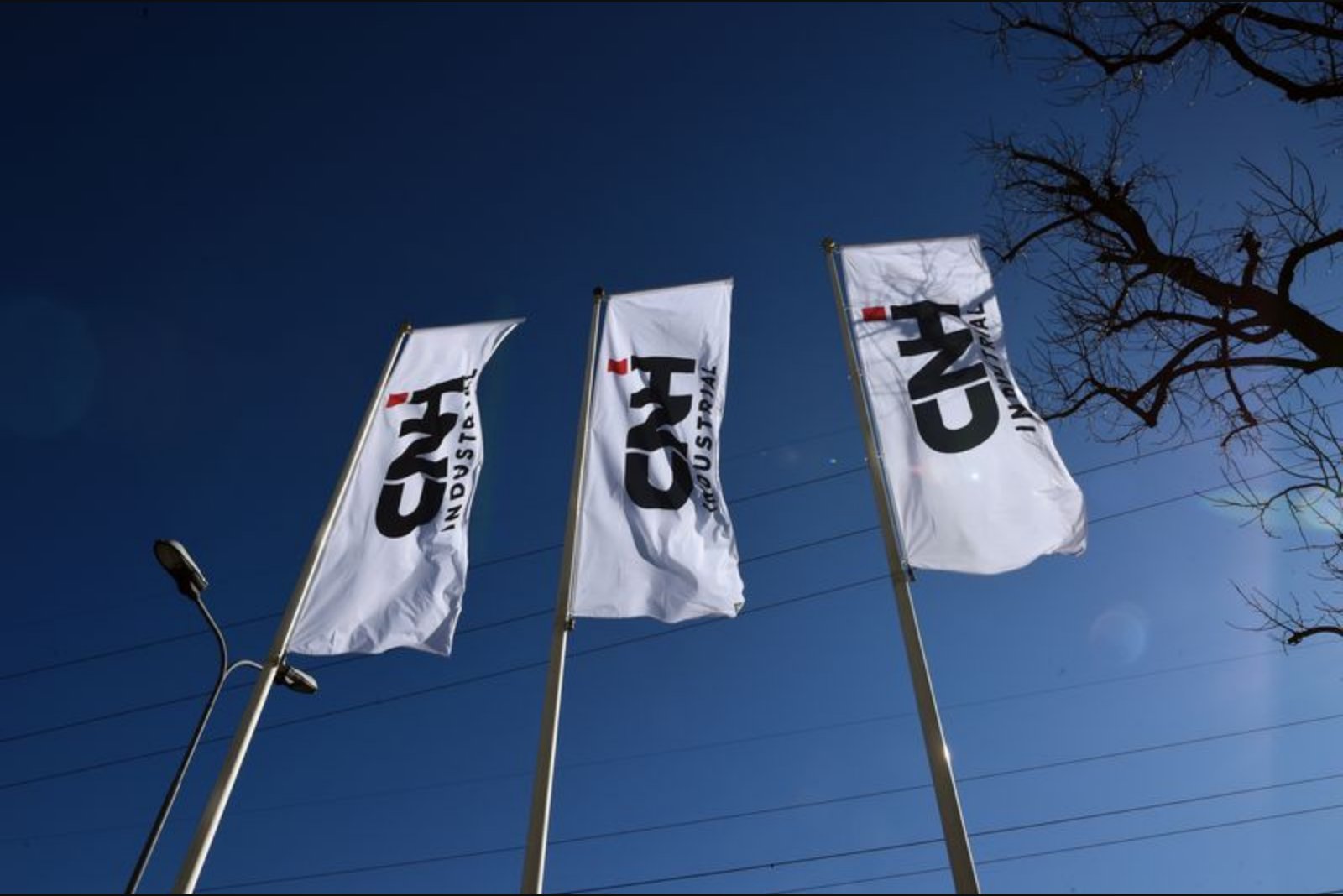
CNH Industrial on Tuesday told markets it expects full-year adjusted profit for 2026 to land between $0.35 and $0.45 per share, a range that sits below the LSEG-compiled analyst consensus of $0.54 per share. Shares traded down more than 4% in premarket activity following the announcement.
The Basildon, UK-based manufacturer, which produces Case IH and New Holland tractors, attributed the weaker outlook to a confluence of factors denting agricultural machinery demand: low crop prices, higher input costs and shifting trade policies. Those conditions have led farmers to postpone larger capital purchases, leaving dealer inventories elevated and prompting manufacturers to take a more cautious stance on output.
CNH said it anticipates retail demand in 2026 will decline by about 5% versus 2025, and that it will keep production subdued while working with dealers to draw down excess stock across the distribution network. The company added that industry demand is expected to resume growth in 2027.
Broader agricultural sector indicators cited in the announcement underline the challenging operating backdrop. The U.S. Department of Agriculture this month forecast net farm income - a broad measure of farm-sector profitability - to fall 0.7% to $153.4 billion in 2026 from a year earlier. The company also noted that farmers in the U.S. continue to confront another season of low prices, high costs and difficult decisions about whether and how to continue operations as ample grain supplies weigh on markets.
Despite the cautious forward outlook, CNH reported stronger-than-expected results for the fourth quarter. Revenue for the quarter ended December 31 came in at $5.16 billion, ahead of analyst estimates of $4.61 billion. On an adjusted basis, the company posted profit of $0.19 per share for the quarter, versus consensus of $0.10 per share.
Key takeaways
- CNH expects 2026 adjusted EPS of $0.35 to $0.45, below the $0.54 analyst consensus.
- Retail demand for farm equipment is projected to fall about 5% in 2026; production will be restrained to reduce dealer inventory.
- Q4 results beat revenue and adjusted EPS estimates, but 2026 guidance remains weak amid sector headwinds.
Context and implications
The company’s guidance underscores stress in the agricultural equipment segment driven by commodity price pressure and cost inflation, which in turn affect dealer restocking behavior and factory utilization. CNH’s plan to work down dealer inventories and keep production subdued reflects a risk-managed response to the current demand environment.
Risks and uncertainties
- Persistently low crop prices could continue to depress farm equipment purchases, extending weak demand into 2026.
- Elevated input costs for farmers may force further delays in capital spending decisions, keeping dealer inventories high and factory output subdued.
- Shifting trade policies could create additional market uncertainty that affects dealer restocking and sales patterns.