
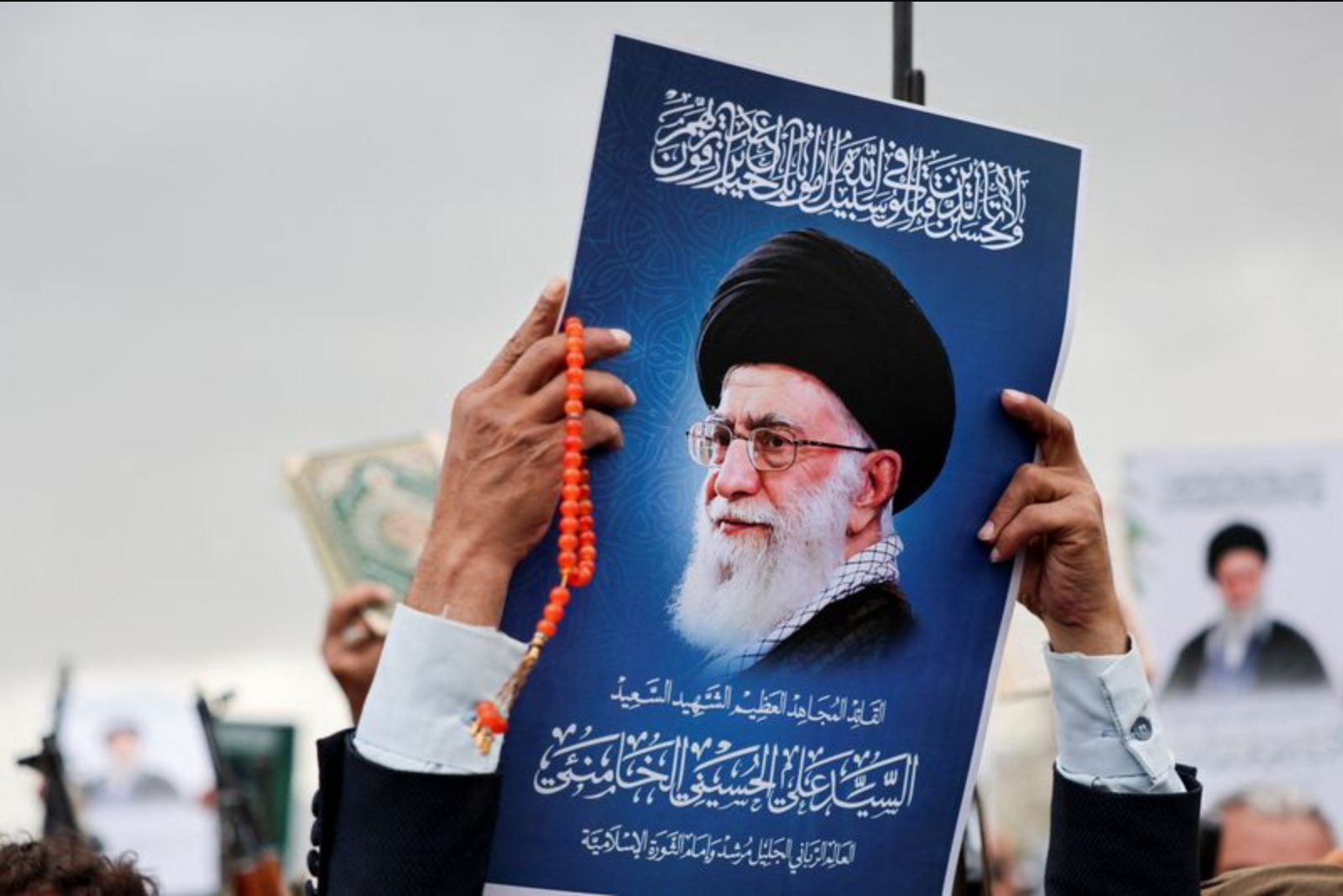
A class action lawsuit lodged on Thursday in the U.S. District Court for the Central District of California accuses prediction market operator Kalshi of failing to pay approximately $54 million to participants in a market that asked whether Iran's Supreme Leader Ayatollah Ali Khamenei would leave office before March 1, 2026.
The complaint follows Khamenei's death on Saturday in strikes attributed to U.S.-Israeli forces, attacks the suit says killed hundreds, including senior Iranian officials. Plaintiffs contend the strikes came after months of U.S. military buildup in the region, a context that drew users to Kalshi's so-called "Khamenei Market."
According to the complaint, customers bought contracts on the market because the surrounding geopolitical circumstances were fluid and the pathway for Khamenei to leave office appeared to many participants to include death as a realistic mechanism. The suit quotes plaintiffs as saying the company did not invoke its "death carveout" until after Khamenei was killed, thereby avoiding the payout that would otherwise have been owed.
"With an American naval armada amassed on Iran’s doorstep and military conflict not merely foreseeable but widely anticipated, consumers understood that the most likely - and in many cases the only realistic - mechanism by which an 85-year-old autocratic leader would 'leave office' was through his death. Defendants understood this as well," the lawsuit states.
The plaintiffs describe the wording of the market's condition as "clear, unambiguous and binary," and they characterize Kalshi's conduct around the market settlement as "deceptive" and "predatory." The suit seeks recovery on behalf of affected customers who say they were entitled to payments on winning contracts.
Kalshi did not immediately provide a response to a request for comment on the lawsuit, the filing notes. Separately, the company's chief executive, Tarek Mansour, publicly defended the platform's death carveout on Saturday, saying the provision "keeps the rules simple." Mansour also said Kalshi would refund all fees associated with the Khamenei market.
The suit arrives as prediction markets have seen a surge in attention since the 2024 U.S. election, when such real-time probability instruments gained notice for forecasting outcomes. These platforms trade binary yes-or-no contracts that fluctuate in price between zero and 100 cents and typically pay out when an outcome is verified, a mechanic that underpins users' expectations about settlement.
Legal and market implications
The complaint centers on contract interpretation and timing - specifically whether the platform lawfully applied a contract exclusion after a triggering event. Plaintiffs argue the exclusion was applied selectively and only after the outcome made the market payable.
While the filings and company statements are at odds, the suit documents the plaintiffs' assertion that Kalshi's invocation of the death carveout followed confirmation of the outcome and thus deprived users of expected payouts.
The litigation will test how prediction-market contract language is interpreted in court and could affect user trust in similar platforms.