
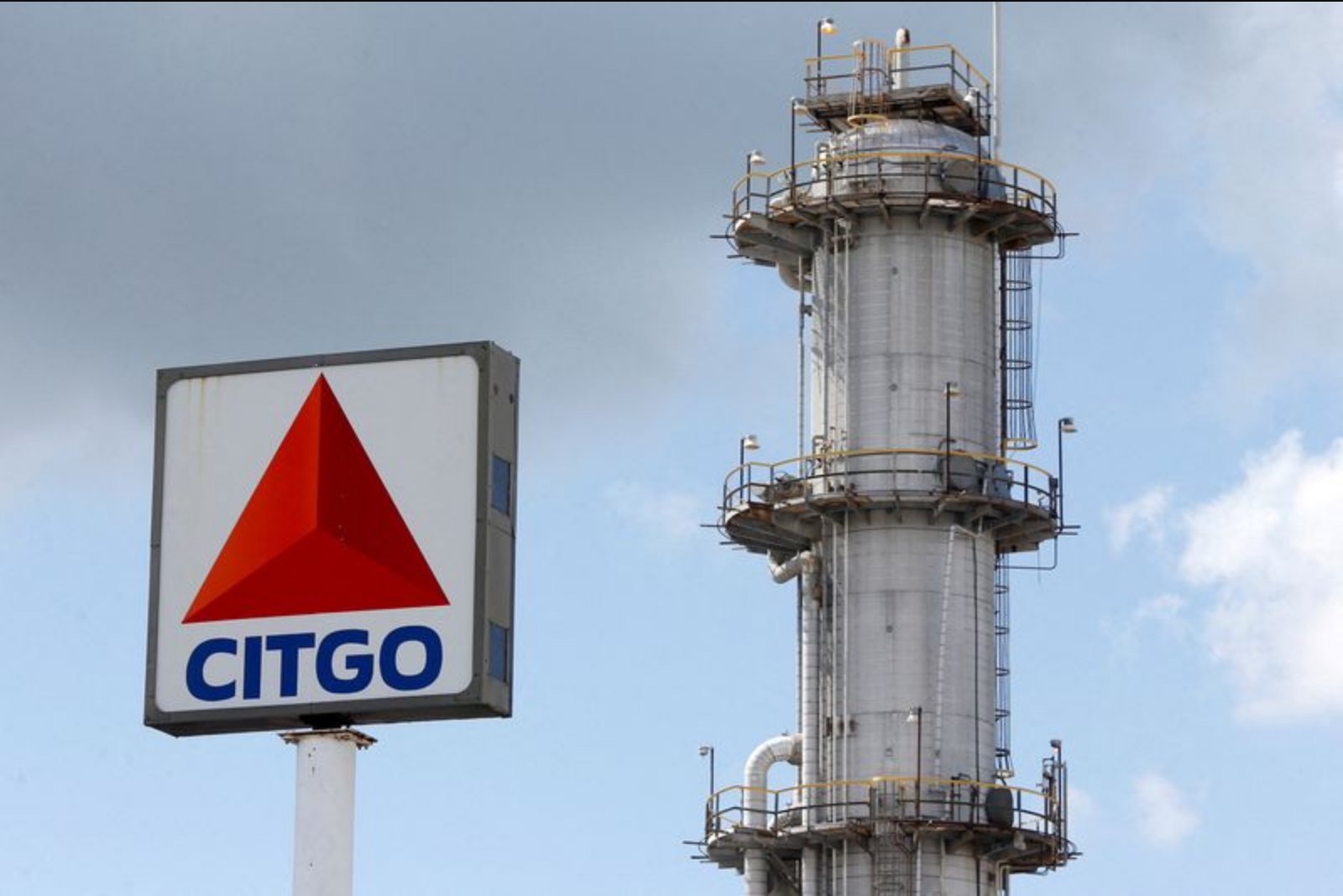
Citgo Petroleum is facing significant limits on its ability to enact large-scale investments, staffing moves and financing actions while the proposed sale of its Venezuela-owned parent company remains legally authorised but practically inactive, according to sources with direct knowledge of the situation.
Late last year, a Delaware court approved a $5.9 billion bid from Amber Energy, an affiliate of Elliott Investment Management, for PDV Holding - the parent company that controls Citgo - and ordered the sale after two years of auctions tied to compensation claims for defaults and expropriations in Venezuela, the sources said. However, the transaction has not been executed because it requires clearance from the U.S. Treasury Department.
In early February, the Treasury Department's Office of Foreign Assets Control (OFAC) extended its long-standing protective measure for Citgo through March 20. The extension did not come with an explicit reason and the sale terms before the court do not specify a clear deadline for final approval, according to the sale documentation cited by the sources.
The political transition in Venezuela following the U.S. removal of President Nicolas Maduro last month - and concurrent plans to restart the country's energy sector - has added a new layer of uncertainty about the ultimate ownership and control of Citgo, which is widely viewed as the principal Venezuelan foreign asset.
A separate source familiar with interagency discussions said the U.S. State Department is viewed as one of the principal impediments to an expedited approval of the Amber bid. That source added that the Treasury, Commerce and Energy Departments are supportive of the sale proceeding. The State and Treasury departments and the White House did not immediately respond to requests for comment, according to the sources.
Operational constraints while approval is pending
Until OFAC either greenlights the Amber transaction or provides an opinion rejecting it, Citgo - currently ranked as the seventh-largest U.S. refiner by the sources - is barred from making material changes to its business plan that might change the value attributed to the company in the sale process. The restrictions cited by the sources include prohibitions on changing ownership structures, taking on new debt and implementing major capital investments unless specifically included in the business plans submitted for the sale.
The refiner's board continues to oversee day-to-day operations and move forward on routine matters. For example, the board approved a plan last month to purchase Venezuelan crude for the first time since 2019, the sources said. But the court-ordered sale terms prevent substantial moves such as major executive hires, corporate spin-offs, extensive refining turnarounds or infrastructure expansions that fall outside previously filed business plans unless Amber concurs.
Despite not having formal control, Amber has increasingly involved itself in Citgo's internal decision-making, seeking detailed information about board meetings along with financial and operating data on an almost daily basis, the sources said. The affiliate's intensified engagement is notable because Amber is not yet the legal owner of PDV Holding or Citgo.
Creditors and compensation stakes remain central
The ordered sale of PDV Holding is central to satisfying more than a dozen creditors who collectively claim roughly $19 billion in restitution related to debt defaults and asset expropriations in Venezuela, according to the sources. Claimants include U.S. oil producer ConocoPhillips, which left Venezuela in 2007 and sought arbitration after its assets there were seized, along with bondholders who hold collateral interests tied to Citgo's equity.
ConocoPhillips has stated that recovery of owed funds is a precondition to considering a return to Venezuela as part of President Donald Trump's proposal for $100 billion of new investment, the sources said. ConocoPhillips did not respond to a request for further comment, the sources added.
Those advocating for execution of the Amber sale have argued to the Trump administration - which, the sources said, took control of Venezuela's oil revenue after capturing Maduro in January - that the transaction would support U.S. interests because Amber is a U.S. company. Proponents contend transferring Citgo to Amber would convert the refiner into a bona fide American company and create a pathway to compensate other U.S. claimants fairly, the source familiar with the talks said.
Sources report ongoing efforts to arrange meetings between Elliott founder Paul Singer and senior U.S. cabinet officials. Both Elliott and the Venezuela-related parties have increased lobbying activity in Washington in recent weeks, but the administration has not signalled readiness to take a final view, according to three people with knowledge of preparatory efforts.
Venezuela parties and political positioning
According to the sources, Venezuela-based parties and those aligned with opposition leader Maria Corina Machado have not held relevant Citgo-related meetings with senior U.S. officials since a government led by interim President Delcy Rodriguez assumed office last month. The sources said both Rodriguez and elements of Venezuela's political opposition have rejected the auction process and petitioned the U.S. to retain Citgo under Venezuelan control as an instrument for the country's planned reconstruction.
Citgo did not respond to a request for comment. Representatives for Elliott and the boards overseeing the refiner declined to comment, the sources said.
What remains unresolved
Key hurdles remain procedural and political: regulatory clearance from OFAC and interagency alignment within the U.S. government; the court-ordered sale terms that restrict Citgo's ability to change material aspects of its business; and the competing claims and lobbying from creditors and Venezuelan political actors. While routine operations continue, the company cannot pursue major strategic shifts that would alter the assigned value in the pending sale without approval from the prospective buyer or an explicit green light from OFAC.
As parties continue to press for resolution, the status of the sale and the resulting control of Citgo will determine how creditors, industry participants and U.S. policy makers proceed in addressing compensation, investment and the broader ambitions to reactivate Venezuela's energy sector.