
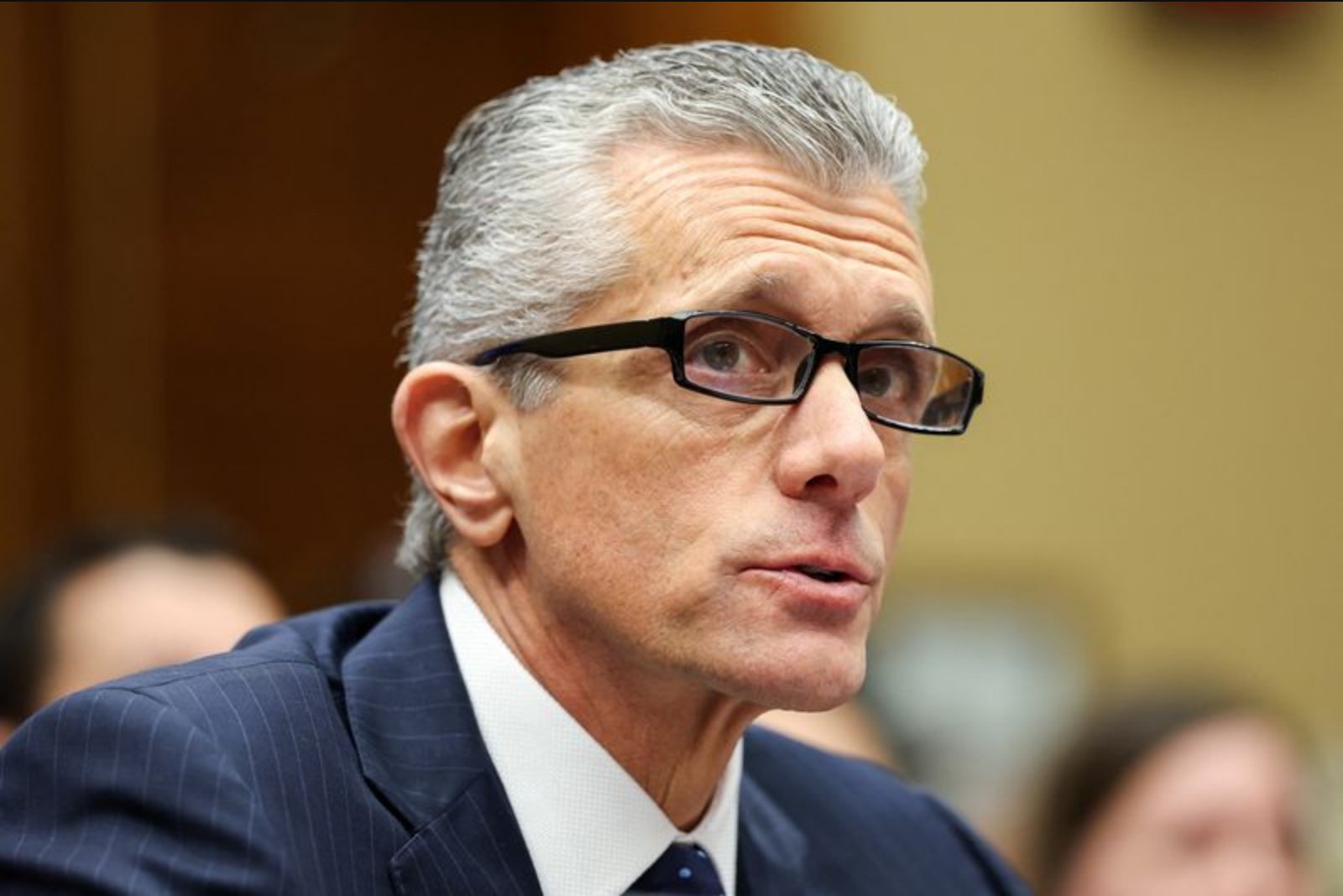
Cigna said on Tuesday that David Cordani, who has led the insurer since 2009, will retire from the chief executive post and assume the role of executive chair of the board effective July 1. He will be succeeded by Brian Evanko, 49, a company veteran who has spent roughly three decades at Cigna and currently serves as president and chief operating officer.
Evanko’s responsibilities in his current role include oversight of Cigna Healthcare, the company’s insurance arm, and Evernorth, its health services unit. The company described the change as an internal succession and positioned Evanko as the next leader during a period of strategic transition.
Cigna is in the midst of moving a portion of its customer base to a new operating model that eliminates after-market discounts known as rebates. The company has stated that this shift will reduce margins over the next two years. The announcement of Cordani’s retirement and Evanko’s promotion came as some analysts expressed surprise at the timing.
Market reaction was immediate: Cigna’s shares fell by more than 5% following the news. "Cigna has been a relatively steady part of the MCO industry, and a CEO change does add some uncertainty to a story that has not seen a ton of uncertainty lately, especially relative to peers," said Julie Utterback, an analyst at Morningstar.
Last month, Cigna issued a softer forecast for profit in 2026. On Tuesday, the company reiterated that outlook.
Background on leadership and strategic moves
Cordani joined Cigna in 1991 and has been chief executive since 2009. During his tenure, the company completed the $54 billion acquisition of pharmacy benefits manager Express Scripts in 2018 and, more recently, sold its Medicare Advantage business to Health Care Service Corporation last year. Under Cordani’s leadership, Cigna has also reduced its participation in the individual market established under the Affordable Care Act in favor of expanding its pharmacy benefits and employer-sponsored healthcare offerings.
Analysts quoted by the company and market participants said Evanko’s promotion was widely regarded as a natural succession. Michael Wiederhorn, an analyst at Oppenheimer, said the appointment suggested Cigna is not likely to pursue transformational transactions immediately following the leadership change. Barclays analyst Andrew Mok observed that at 49, Evanko will be among the youngest CEOs in the healthcare services industry while also being one of the most tenured executives within his company.
Some investors and advisers viewed the transition as orderly. "This looks to be more of a 'passing of the torch' than a sudden surprise," said Mark Andraos, a partner at Regency Wealth Management, which holds just under 19,000 shares in Cigna. He added that the company’s reaffirmed guidance indicates the leadership change is not expected to derail growth targets or execution of strategy.
Evanko will take the helm as Cordani shifts to executive chair on July 1, completing a transition that keeps oversight within the current leadership cohort while Cigna implements a rebate-free customer model and navigates the profit outlook it reaffirmed on Tuesday.