
Market reaction
Shares of major Chinese property names fell sharply on Monday after regulators moved to tighten the use of mortgage proceeds in housing transactions. China Resources Land dropped 7.7% to HK$30.62, hitting its lowest level since July 3. China Jinmao plunged 14.7% to HK$1.34, its lowest since August 7. Greentown China fell 12.8%, China Overseas Land & Investment was down 6.4%, and China Overseas Property declined 3%.
What the new rules require
The People's Bank of China and the National Financial Regulatory Administration issued guidance that mortgages for new homes must be issued only after projects are completed. At the same time, local governments are being urged to promote sales of completed homes. Regulators say the measures are designed to reduce delivery risks that emerged under the presale-driven model that has dominated China's property market.
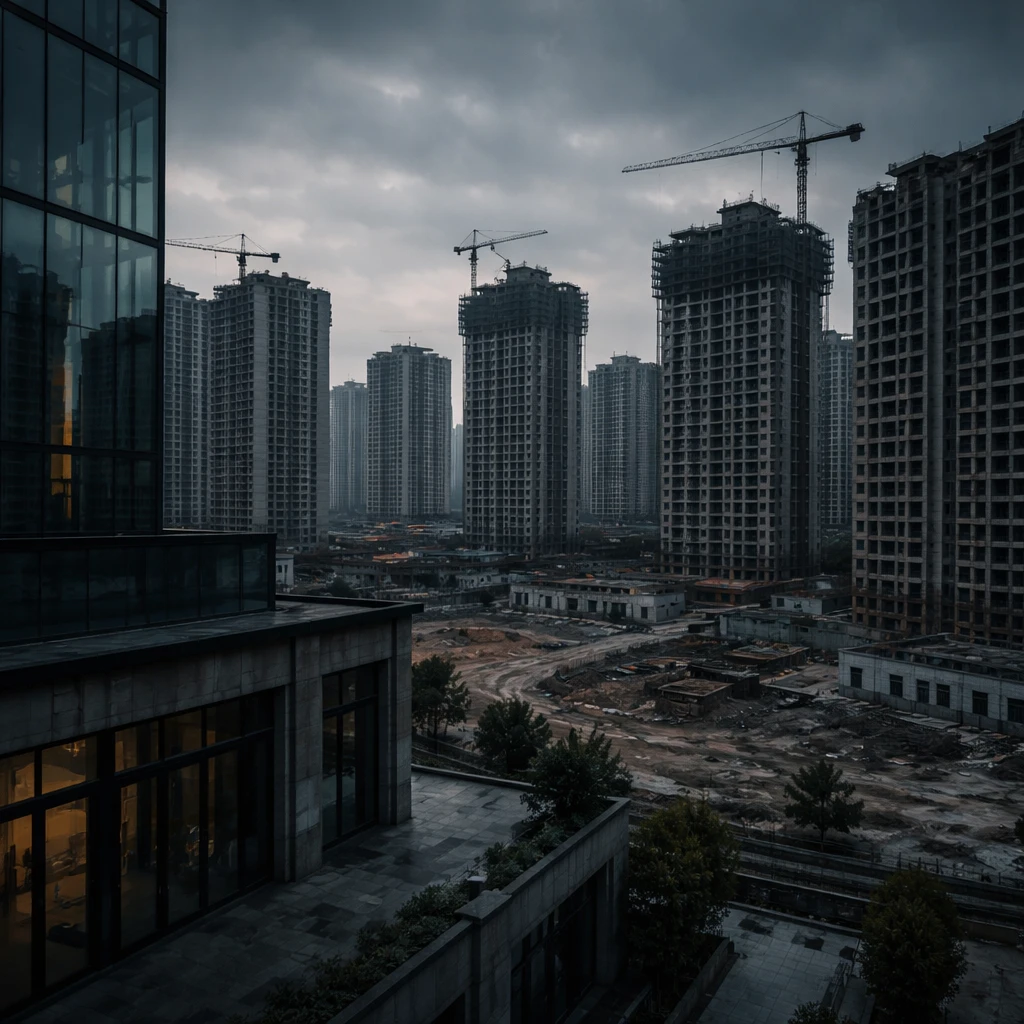
The regulatory shift aims to address structural problems that became pronounced after the presale model came under severe strain following the 2021 property downturn. Under the previous approach, buyers often paid deposits and signed presale contracts before construction finished; developers commonly relied on those advance proceeds and mortgage flows to finance construction and working capital.
Implications for developers' cash cycles
For developers, the requirement that mortgage financing wait until completion could delay an important source of cash inflows. That change has the potential to extend cash-conversion cycles for companies that previously depended on presales to fund ongoing construction. Developers with faster asset turnover may be particularly exposed, as the timing of receipts from buyers could shift materially later in project lifecycles.
While the rules seek to make the housing market safer and reduce the risk of delivery failures, they create a period of adjustment in which developers must bridge construction funding without the same degree of upfront mortgage-backed liquidity.
State-backed names versus private firms
The market reaction highlights a core tension in the reform: measures that improve market sustainability can nonetheless create short-term funding strains for builders. Several of the largest names that moved sharply lower - including China Overseas Land & Investment, China Resources Land, Greentown China and China Jinmao - are state-backed. That status generally affords better access to financing relative to weaker private developers, but their scale also means they remain heavily exposed to any disruption of the presale model.
China Overseas Property differs in business model. As a property-management company, it is not primarily reliant on selling homes and so is less directly affected by mortgage timing rules. Its exposure is indirect: a prolonged slowdown in new-home development could reduce the flow of newly completed properties available to add to its management portfolio.
Additional policy detail
The regulators also extended the maximum term of personal housing loans to 40 years from 30 years. That change could lower monthly repayment burdens for buyers, which the authorities may view as supporting affordability and demand for completed homes.
In sum, the regulatory package is intended to shore up delivery certainty and make the housing market safer, but it has intensified near-term funding concerns for developers that have funded construction through presales and mortgage proceeds.